Brick wallpaper isn’t just a nostalgia trip-it’s back, and it’s not what you think. Ten years ago, it was the punchy accent wall in every indie coffee shop and trendy loft. Then it vanished, labeled too industrial, too harsh, too 2014. But in 2026, brick wallpaper has evolved. It’s softer. More layered. More intentional. And yes, it’s still in fashion-if you know how to use it.
Why brick wallpaper came back
It wasn’t a fluke. Pinterest saw a 210% increase in searches for "textured wallpaper" between 2023 and 2025. Google Trends shows brick patterns climbing steadily since late 2024. Why now? Because people are tired of flat, minimalist walls. After years of all-white everything, interiors are craving depth, history, and tactile interest. Brick wallpaper delivers that without the dust, the mess, or the structural changes.
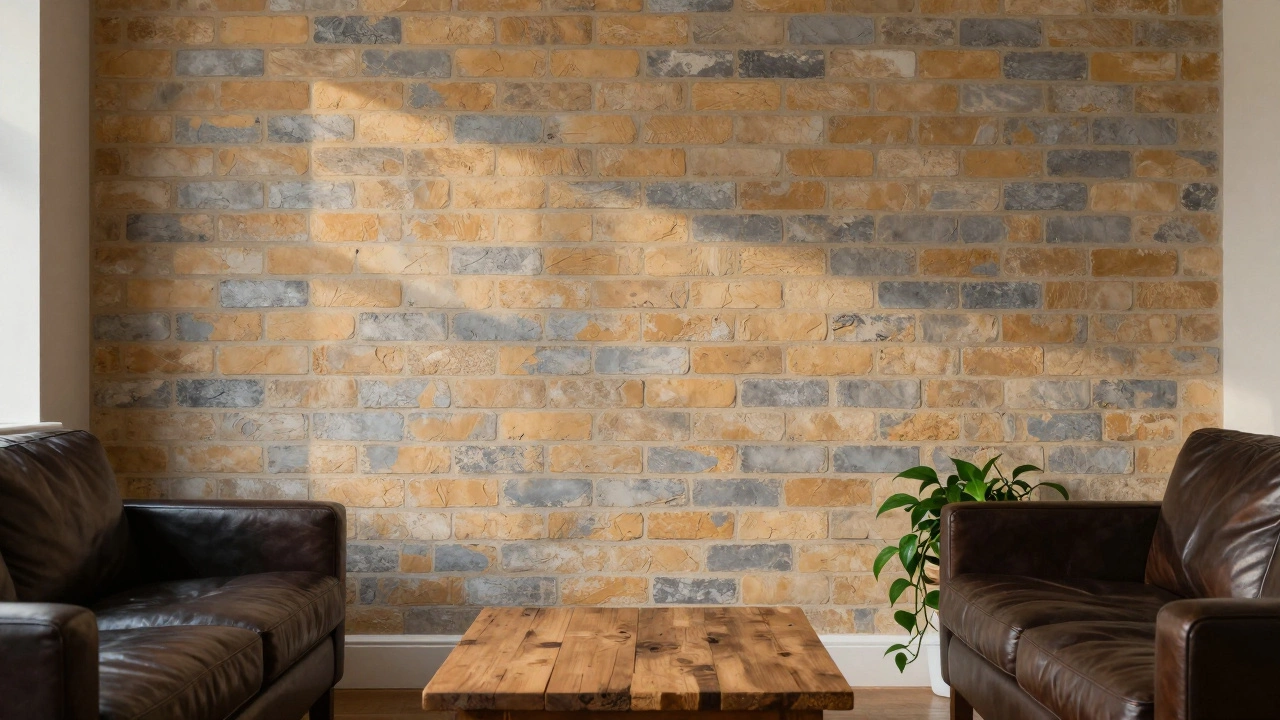
Modern brick wallpapers aren’t printed photos of old red bricks. They’re engineered. Some have real clay texture pressed into vinyl. Others use layered printing to mimic mortar lines that shift under different lights. Brands like Graham & Brown and Cole & Son now offer brick designs with subtle patina effects-muted ochres, weathered greys, even faint mossy green tones that look like they’ve aged naturally over decades.
Where it works (and where it doesn’t)
Brick wallpaper thrives in spaces that need warmth without clutter. A living room with a dark leather sofa? Perfect. A small bathroom with good ventilation? Surprisingly great. A bedroom with low ceilings? Maybe not. That’s the key: context matters more than trend.
In London, it’s common to see brick wallpaper in converted Georgian townhouses. Designers use it on one wall behind a fireplace or above a built-in bookshelf. It adds character without overwhelming. In open-plan kitchens, it’s often used as a backsplash alternative-paired with matte black fixtures and warm wood countertops. The contrast feels intentional, not accidental.
But avoid it in rooms with poor lighting or tiny square footage. A 10x10 bedroom with no windows and brick wallpaper? It’ll feel like a cave. And don’t go full industrial unless you’re going for a warehouse aesthetic. Most successful uses today are subtle: a single accent wall, a half-wall treatment, or even a narrow strip along the chair rail.
Real examples from 2025 homes
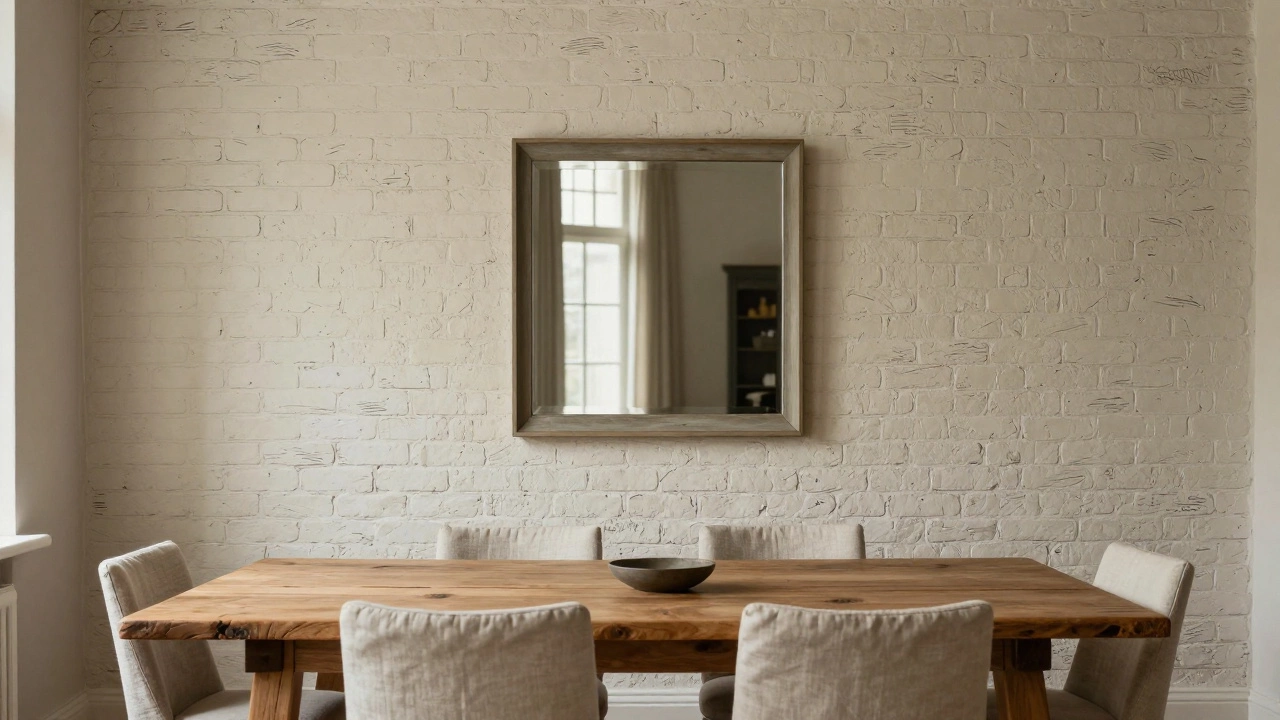
A client in Peckham used a soft, cream-colored brick wallpaper in her dining room. The pattern was barely noticeable from across the room-until you walked closer and saw the hand-drawn mortar lines. She paired it with a reclaimed oak table and linen chairs. No one called it "brick wallpaper." They just said, "This room feels alive."
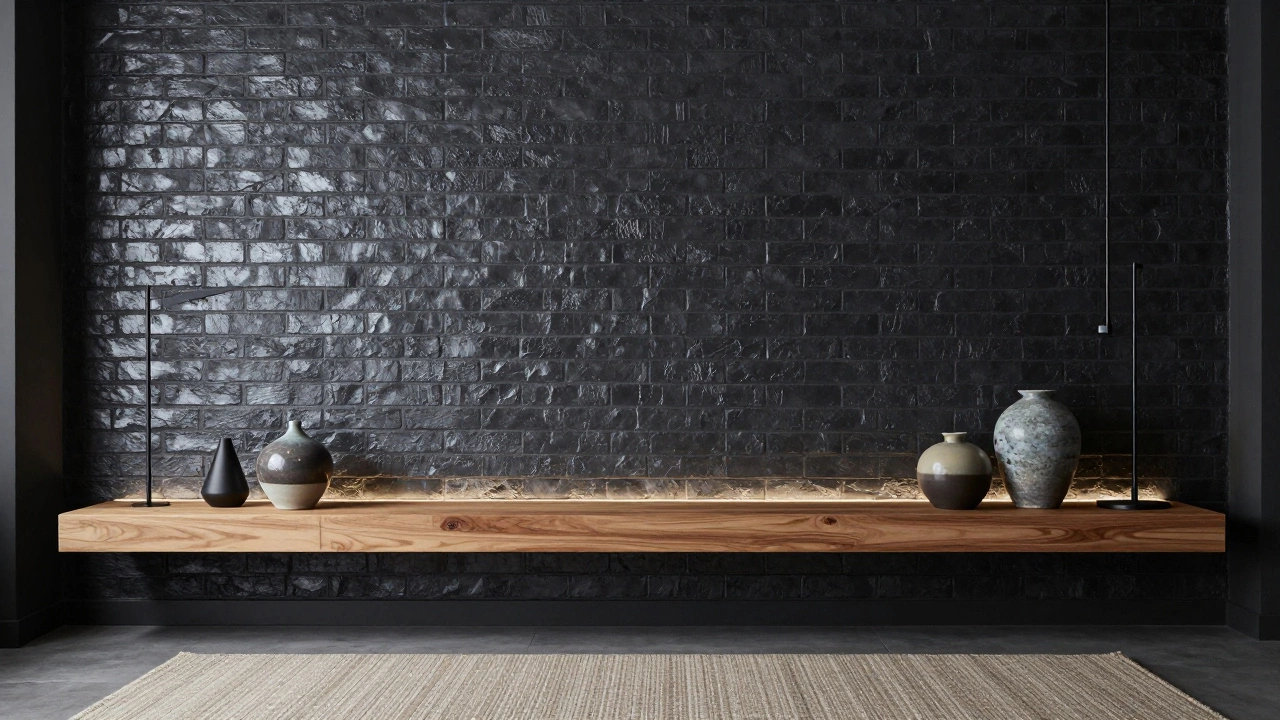
In a Shoreditch flat, a designer used a charcoal brick wallpaper with a slight metallic sheen on the back wall of a home office. The wall caught the afternoon sun just right, creating a faint glow. The client told her, "I didn’t know I needed this until I saw it."
Even in new builds, brick wallpaper is showing up. One developer in Camden used it as a feature in the lobby of a 2025 apartment complex. It wasn’t meant to be the star-it was meant to make the space feel grounded. People lingered there. They touched the wall. They took photos. That’s the power of texture.
What to look for when buying
Not all brick wallpaper is created equal. Here’s what separates the good from the gimmicky:
- Texture depth: Run your hand over the sample. If it’s flat, skip it. Look for raised mortar lines or embossed brick shapes.
- Color variation: Real brick isn’t one shade. Avoid wallpapers with uniform reds or grays. Look for subtle shifts-some bricks darker, some lighter.
- Material: Vinyl-coated non-woven is best for durability and moisture resistance. Avoid paper-only backings in kitchens or bathrooms.
- Scale: Large, bold brick patterns work in big rooms. Small, tight patterns feel more like stone or tile and suit smaller spaces.
- Finish: Matte is safest. Glossy brick wallpaper looks fake. A slight satin sheen can work if it’s subtle.
Brands like Wallshoppe, York Wallcoverings, and Farrow & Ball offer high-end options that look like real masonry. But you don’t need to spend £100 per roll. Companies like Spoonflower and Etsy sellers now offer custom-printed brick designs for under £30, with options to tweak the color tone.
How to style it without going overboard
Brick wallpaper is a statement-but not a scream. Here’s how to keep it elegant:
- Pair it with neutral furniture. White, beige, charcoal, or warm wood. Let the wall breathe.
- Use lighting to your advantage. A soft wall sconce or directional LED strip highlights texture without glare.
- Don’t compete. Skip patterned curtains or bold rugs. Let the wall be the anchor.
- Add greenery. A single trailing pothos or a small fiddle-leaf fig softens the industrial edge.
- Frame it. Hang a single large mirror or artwork slightly off-center to create visual balance.
One designer in Notting Hill used brick wallpaper behind a floating shelf with three ceramic vases-each in a different glaze. The wall didn’t dominate. It held the space together.
The truth about durability
People worry brick wallpaper will peel, fade, or look cheap over time. The truth? Modern versions last 10-15 years with proper care. Avoid steam cleaners. Don’t scrub. Wipe gently with a dry microfiber cloth. High-quality vinyl-backed options resist moisture and minor scratches. In bathrooms, use a dehumidifier or exhaust fan. In kitchens, keep it away from direct stove heat.
One homeowner in Islington had brick wallpaper installed in 2022. Five years later, it still looks new. She says the biggest surprise? "No one ever thinks it’s wallpaper. They assume it’s real brick. That’s the win."
Alternatives if you’re unsure
If brick feels too bold, consider these softer options:
- Stone-effect wallpaper: More organic, less structured. Great for bedrooms.
- Concrete texture: Sleeker, cooler. Works with modern furniture.
- Plaster finish: Subtle grain, no pattern. Feels artisanal without being loud.
- Woven fabric wallpaper: Textured but neutral. Hides imperfections.
These give you the same tactile richness without the industrial vibe. They’re safer if you’re testing the waters.
Final verdict: yes, it’s still in fashion
Brick wallpaper isn’t trending because it’s trendy. It’s trending because it solves a real design problem: how to add soul to a space without renovation. It’s affordable. It’s reversible. It’s durable. And in 2026, it’s being used with more sophistication than ever.
It’s not for everyone. But if you want a wall that feels lived-in, grounded, and quietly luxurious-brick wallpaper isn’t just still in fashion. It’s one of the smartest design choices you can make right now.
Is brick wallpaper too trendy to be timeless?
Brick wallpaper isn’t a fleeting trend-it’s a material revival. Real brick has been used for centuries. Modern versions mimic that permanence. When paired with neutral furniture and natural light, it reads as classic, not trendy. Think of it like dark wood floors or exposed beams: it’s not about fashion, it’s about texture and history.
Can brick wallpaper be used in a small room?
Yes, but choose carefully. Use a light-colored brick (cream, pale grey) with a fine texture. Avoid large, bold patterns. Install it on one wall only, and keep the ceiling and trim white to maintain openness. Pair with mirrors and plenty of lighting to avoid a claustrophobic feel.
Does brick wallpaper make a room feel colder?
It can, if you pair it with cold materials like steel or glass. But brick has natural warmth. To balance it, add wood accents, wool rugs, or linen curtains. Warm lighting (2700K-3000K) also helps. In fact, many designers use brick wallpaper to add coziness to modern, minimalist rooms.
Can I install brick wallpaper myself?
Yes, if you’re comfortable hanging standard wallpaper. Most modern brick wallpapers are peel-and-stick or paste-the-wall types. Use a smoothing tool to avoid bubbles, and measure carefully-brick patterns need alignment. If the wall is uneven, prep it with lining paper first. It’s doable, but don’t rush. Take your time with the first strip.
Is brick wallpaper expensive?
It varies. Premium brands like Farrow & Ball cost £50-£80 per roll. Mid-range options (Graham & Brown, York) run £25-£40. Budget-friendly vinyl prints start at £15. A typical accent wall needs 2-3 rolls. That’s less than a single square meter of real reclaimed brick, which can cost £150+ per square meter. Brick wallpaper gives you the look at 1/10th the price.
If you’re thinking about trying brick wallpaper, start small. Pick one wall. Test a sample in your space for a week. See how the light changes it. If it feels right after that, go for it. It’s not just wallpaper. It’s the quietest way to give your home a heartbeat.