Kitchen Remodel Budget Calculator
Project Details
Cost Breakdown
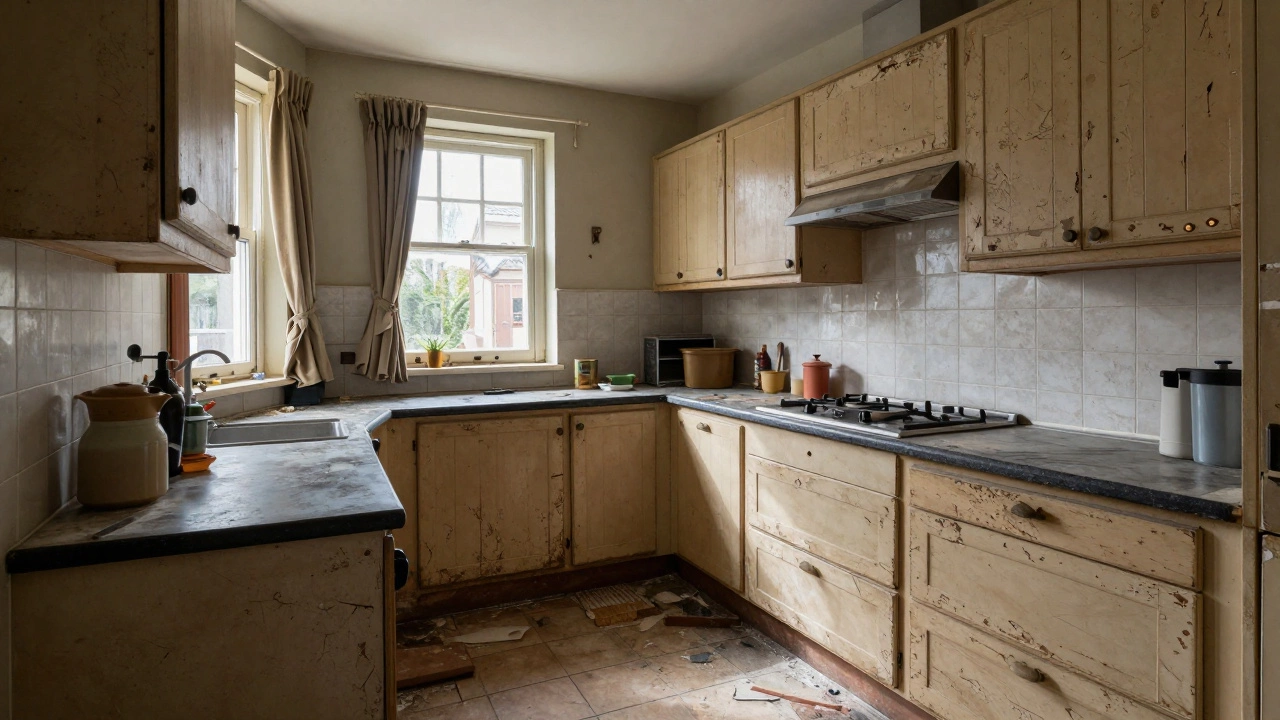
Target: $30,000Walking into your kitchen and feeling that sudden urge to rip it all down is universal. You stare at the dated cabinets, the cracked countertops, or that weird layout that makes cooking feel like an obstacle course. Then you hear the number: $30,000. It sounds like a lot of money, but does it actually cover everything? In 2026, with material costs stabilizing after years of inflation and labor rates adjusting to market realities, this budget is a sweet spot for many homeowners. It’s not enough to build a magazine-cover luxury suite from scratch, but it is more than enough to create a functional, beautiful, and highly efficient space if you know where to spend and where to save.
The short answer is yes. For a standard-sized kitchen (between 150 and 250 square feet), $30,000 allows for a mid-range renovation that includes new semi-custom cabinets, durable quartz countertops, updated appliances, and professional installation. However, the moment you start moving walls, changing plumbing locations, or opting for high-end solid wood cabinetry, that budget evaporates quickly. The key isn’t just having the cash; it’s understanding how contractors price projects and what drives up the bill before you even pick out a faucet.
Where Your $30,000 Actually Goes
To see if this budget works for you, we need to break down the typical cost structure of a kitchen remodel. Most homeowners underestimate the hidden costs and overestimate what they can get for their money. Here is how a realistic $30,000 budget breaks down in a modern market.
| Category | Estimated Cost | Percentage of Budget |
|---|---|---|
| Cabinets & Hardware | $8,000 - $10,000 | 30% |
| Countertops | $2,500 - $4,000 | 15% |
| Labor & Installation | $7,000 - $9,000 | 25% |
| Appliances | $3,000 - $4,500 | 15% |
| Flooring & Backsplash | $1,500 - $2,500 | 10% |
| Permits & Contingency | $1,000 - $2,000 | 5-7% |
Cabinets are always the biggest line item. They consume about a third of your budget because they involve both expensive materials and significant custom labor. If you choose semi-custom brands-like those found at major home improvement retailers but installed by pros-you can get soft-close drawers, plywood boxes, and decent finishes without paying the premium for fully bespoke European-style systems. Countertops have become more affordable due to the rise of engineered stone options. Quartz remains the go-to for durability and low maintenance, offering a wide range of styles that mimic marble or granite at a fraction of the cost.
Labor is the second major expense. In competitive markets, skilled carpenters, tilers, and electricians charge hourly rates that reflect their expertise and insurance costs. This portion of the budget covers the physical work of demolition, framing adjustments, installing the cabinets, setting the counters, and finishing the trim. Never skimp here; cheap labor leads to crooked cabinets and leaking pipes, which cost far more to fix later.
What You Can Achieve vs. What Will Blow Your Budget
With $30,000, you are aiming for a "mid-range" upgrade. This means updating the look and function without completely reconstructing the house’s skeleton. Here is what fits comfortably within this budget:
- Semi-Custom Cabinets: Refacing existing cabinets is cheaper, but replacing them with new semi-custom units offers better storage solutions and longevity. Look for plywood construction rather than particle board.
- Quartz or Porcelain Slabs: These materials are heat-resistant, stain-proof, and available in large formats that minimize seams. They offer a high-end look without the high-end price tag of natural stone.
- Energy-Efficient Appliances: You can get a solid set of stainless steel appliances-oven, range, dishwasher, and refrigerator-from reputable brands like Bosch, Samsung, or Whirlpool. Smart features are becoming standard, so you don’t need to pay extra for basic connectivity.
- Vinyl Plank Flooring: Luxury Vinyl Plank (LVP) has replaced hardwood as the top choice for kitchens. It’s waterproof, durable, and looks convincingly like wood or stone. Installation is faster and cheaper than hardwood.
On the flip side, certain choices will immediately push you over the $30,000 limit. Avoid these if you want to stay on budget:
- Moving Plumbing or Gas Lines: Relocating the sink or stove requires licensed plumbers and gas fitters, plus permits. This alone can add $2,000 to $5,000 to your project.
- Structural Changes: Knocking down a load-bearing wall to open up the kitchen to the living room requires engineering stamps, beams, and structural reinforcement. This is a separate project entirely.
- Custom Cabinetry: Fully custom cabinets made by local woodshops are beautiful but often cost double what semi-custom options do. They also take longer to manufacture, delaying your timeline.
- Natural Stone Countertops: Marble and granite require sealing, are prone to etching, and vary wildly in price. A slab of exotic granite can easily cost $100 per square foot installed, eating up your entire countertop budget.
The Hidden Costs That Surprise Homeowners
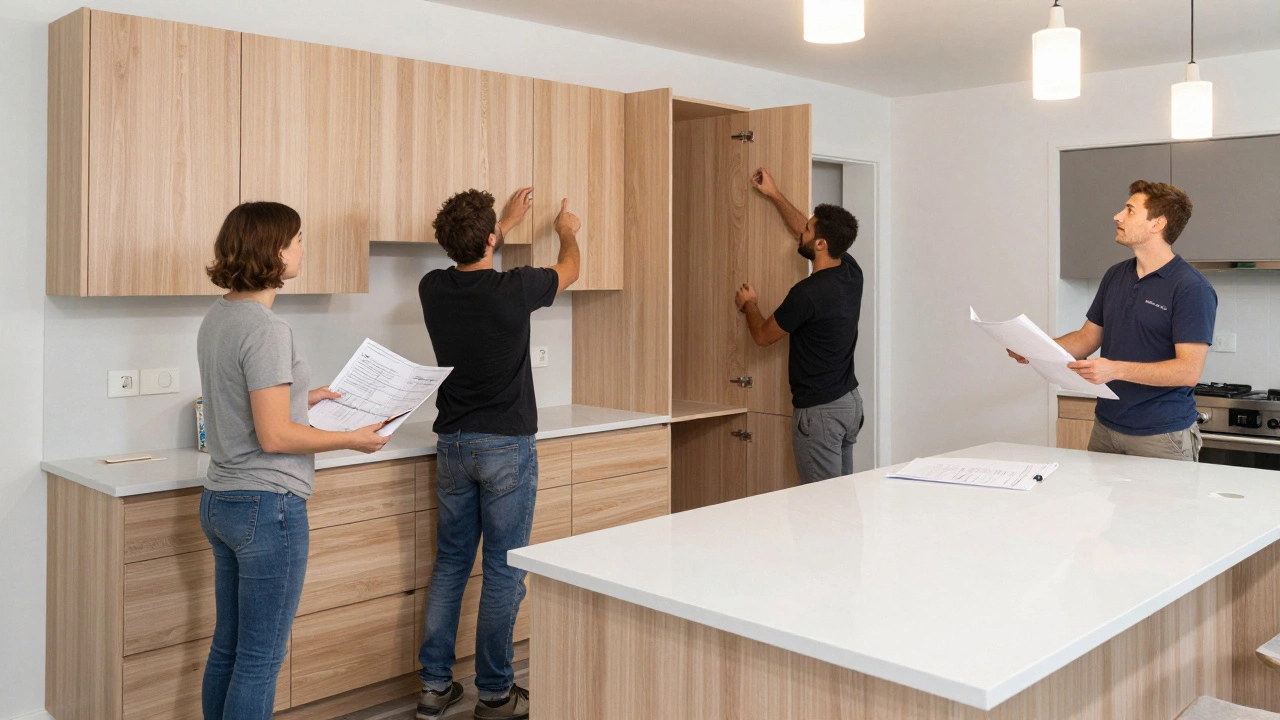
Even with a careful plan, surprises happen. This is why every contractor insists on a contingency fund. In a $30,000 budget, you should reserve at least $1,500 for unexpected issues. Here are the most common hidden costs:
Demolition and Disposal: Tearing out old cabinets, tile, and flooring generates a massive amount of debris. Hauling fees and dumpster rentals are rarely included in initial quotes. Depending on your location, disposal fees can run $500 to $1,000.
Electrical Upgrades: Older homes often have outdated wiring that doesn’t meet current code requirements for kitchens. If you’re adding under-cabinet lighting, a microwave vent, or a dedicated circuit for a high-wattage induction cooktop, you’ll need an electrician. Expect to pay $1,000 to $2,000 for panel upgrades or new circuits.
Permits and Inspections: Most jurisdictions require permits for kitchen remodels involving electrical, plumbing, or structural changes. Permit fees vary by city but typically range from $200 to $800. Skipping permits might save money now but will cause huge headaches when you try to sell your home, as inspectors will flag unpermitted work.
Temporary Living Arrangements: A kitchen remodel takes your home offline. You won’t be able to cook, store food, or use your sink. If the project lasts four weeks, factor in the cost of eating out or renting a temporary kitchenette. This isn’t a direct construction cost, but it impacts your overall financial planning.
How to Stretch Your $30,000 Further
If you love the idea of a full remodel but worry about hitting the ceiling of your budget, there are strategic ways to maximize value without sacrificing quality.
Keep the Footprint: The cheapest kitchen remodel is one that keeps the sink, stove, and dishwasher in their original locations. This avoids costly plumbing and gas moves. Instead, focus on upgrading the fixtures, lighting, and surfaces to refresh the space.
Refinish Instead of Replace: If your cabinet boxes are solid and square, consider refacing them. This involves replacing the doors and drawer fronts while keeping the existing framework. You can also hire a painter to give them a fresh coat of paint. This can save you $3,000 to $5,000 compared to new cabinets.
Choose Standard Sizes: Custom sizes for sinks, islands, or pantries drive up fabrication costs. Stick to standard dimensions for your island and sink. It simplifies installation and reduces waste.
DIY the Finish Work: While you shouldn’t DIY electrical or plumbing, you can handle painting, backsplash installation (if it’s peel-and-stick or simple subway tile), and hardware installation. These tasks are forgiving and can save hundreds in labor charges.
Buy Appliances Off-the-Shelf: Special-order appliances come with long lead times and higher prices. Look for models available locally at big-box stores. You can often find clearance items or discontinued colors that are functionally identical but significantly cheaper.
When ,000 Isn't Enough
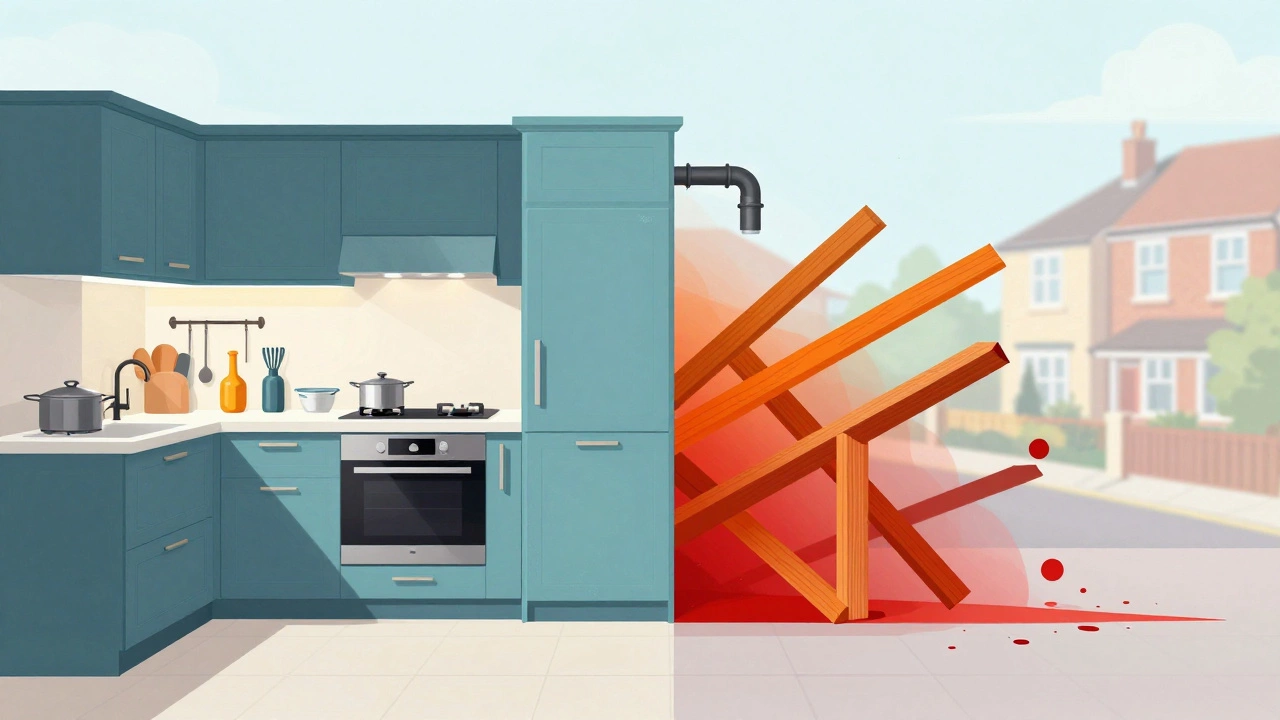
There are scenarios where $30,000 simply won’t cut it, no matter how well you plan. If your kitchen is smaller than 100 square feet, you might actually spend *more* per square foot because fixed costs (like permits and minimum labor charges) remain the same regardless of size. Conversely, if your kitchen is larger than 300 square feet, you’ll likely exceed this budget unless you opt for very basic materials.
High-cost urban areas also skew the numbers. In cities like London, New York, or San Francisco, labor rates are substantially higher. A plumber or electrician may charge double what they would in a rural area. In these markets, $30,000 might only cover a cosmetic update-painting, new hardware, and countertop replacement-rather than a full gut renovation.
Additionally, if your home was built before 1980, you may encounter asbestos, lead paint, or knob-and-tube wiring. Abatement and remediation are specialized jobs that can easily add $5,000 to $10,000 to your project. Always get a home inspection focused on environmental hazards before starting a remodel in older properties.
Making the Decision: Is It Worth It?
A kitchen remodel is one of the best investments you can make in your home. According to recent industry data, a mid-range kitchen renovation recoups about 60% to 70% of its cost in increased home value. While you won’t get every dollar back, the daily enjoyment and improved functionality are priceless.
Before signing any contracts, get three detailed quotes from licensed contractors. Ensure each quote includes the same scope of work-same cabinet brand, same countertop material, same appliance tier. This allows for an apples-to-apples comparison. Ask for references and visit completed projects if possible. A contractor who communicates clearly and provides a written timeline is worth paying a little more for.
Finally, remember that a kitchen is a workspace, not just a showroom. Prioritize function over form. Deep drawers are better than shallow shelves. Easy-clean surfaces beat delicate ones. Good lighting makes cooking safer and more enjoyable. With $30,000, you can build a kitchen that serves your family for decades, provided you stick to a realistic plan and avoid the temptation to chase every luxury trend.
Can I remodel my kitchen for less than $30,000?
Yes, but you’ll need to compromise on some elements. A budget of $15,000 to $20,000 is feasible if you keep the existing layout, refinish rather than replace cabinets, choose laminate countertops, and buy entry-level appliances. You can also save money by doing some of the demolition and painting yourself. However, going below $15,000 for a full remodel usually results in poor-quality materials or unlicensed labor, which can lead to bigger problems later.
What is the most expensive part of a kitchen remodel?
Cabinets are consistently the most expensive component, typically accounting for 30% of the total budget. This is because they involve both high material costs (wood, hardware, finishes) and significant labor for precise installation. Labor itself is the second-largest expense, followed by countertops and appliances. Moving plumbing or electrical lines can also spike costs dramatically.
Should I hire a general contractor or individual tradespeople?
For a $30,000 project, hiring a general contractor is usually the safer bet. They manage the schedule, coordinate between plumbers, electricians, and carpenters, and ensure permits are pulled correctly. While they add a management fee (typically 10-15%), they protect you from delays and liability issues. Hiring individual tradespeople saves money upfront but places the burden of scheduling and problem-solving entirely on you.
How long does a kitchen remodel take?
A typical mid-range kitchen remodel takes 6 to 10 weeks from start to finish. Demolition and rough-in work (electrical/plumbing) take 1-2 weeks. Cabinet installation and countertop templating take another 1-2 weeks. Countertop fabrication often has a 2-3 week lead time. Final installation, backsplash, flooring, and appliance hookup take the final 1-2 weeks. Delays are common due to material backorders or unforeseen structural issues.
Do I need a permit for a kitchen remodel?
In most cases, yes. Permits are required for any electrical work, plumbing changes, or structural modifications. Even if you’re just moving outlets or relocating a sink, local building codes usually mandate inspections to ensure safety. Cosmetic updates like painting or replacing flooring generally do not require permits. Always check with your local building department before starting work to avoid fines or forced removal of completed work.