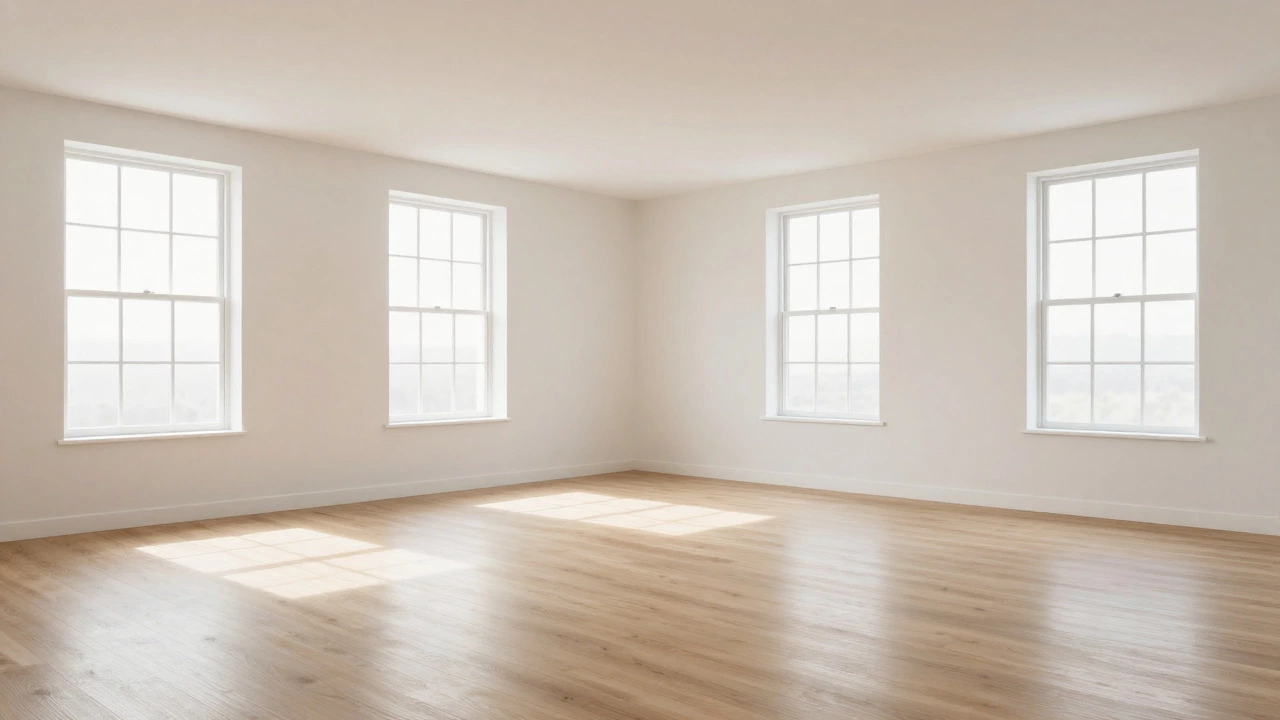
Living Room Color Ratio Calculator
By default, we use the classic 60-30-10 rule. You can adjust these sliders if you want a bolder or more subtle look, but keep them balanced.
Walls, large rugs, ceiling
Sofa, curtains, large furniture
Pillows, art, vases, accessories
Calculated Square Footage
Tip: For a 200 sq ft room, ensure your dominant neutral covers about 120 sq ft (walls/floor). Use secondary colors for roughly 60 sq ft (sofa/rug) and accents for just 20 sq ft (decor).
Staring at four empty walls and a bare floor can feel paralyzing. You have the space, but no direction. The biggest mistake people make when styling a living room from scratch is buying random pieces that look nice in isolation but clash when placed together. To avoid this, you need a system, not just inspiration from social media.
This guide walks you through the exact process designers use to build a cohesive room. We will move from the architectural basics to the final decorative touches, ensuring every decision supports the next. By the end, you will have a clear plan that balances aesthetics with daily function.
Define the Room's Primary Function
Before picking out a sofa, ask yourself how you actually live. Is this room for hosting dinner parties, watching movies alone, or playing with kids? The answer dictates your furniture scale and durability needs. If you host frequently, prioritize comfortable seating arrangements over trendy coffee tables. If it’s a family hub, choose fabrics that withstand spills and pets.
- Entertainment focus: Prioritize sightlines to the TV and acoustic comfort.
- Social focus: Create conversation clusters with chairs facing each other.
- Multifunctional: Ensure pathways are wide enough (at least 36 inches) for easy movement.
Establish a Color Palette and Mood
Color sets the emotional tone of the space. Start by looking at fixed elements: your flooring, wall paint, and any permanent fixtures. Choose a dominant neutral base-such as warm beige, cool gray, or crisp white-that complements these existing features. Then, select two accent colors to add depth. One should be bold for cushions and art, while the other remains subtle for accessories.
A common rule of thumb is the 60-30-10 ratio. Use your dominant neutral for 60% of the room (walls, large rugs), secondary tones for 30% (sofa, curtains), and accent colors for the remaining 10% (pillows, vases). This prevents the room from feeling chaotic or overly saturated.
Select Key Furniture Pieces First
Furniture anchors the room. Start with the largest piece, usually the sofa. Measure your space carefully before shopping. A standard three-seater sofa is about 84 inches long, but sectional sofas can dominate smaller rooms. Leave breathing room around the sofa; if it feels cramped, step back until you can walk freely behind it.
| Furniture Item | Typical Width | Recommended Clearance |
|---|---|---|
| Three-Seater Sofa | 84-96 inches | 18 inches from wall |
| Armchair | 30-36 inches | 24 inches from sofa |
| Coffee Table | 48-60 inches | 14-18 inches from sofa |
| Media Console | 54-72 inches | 12 inches from wall |
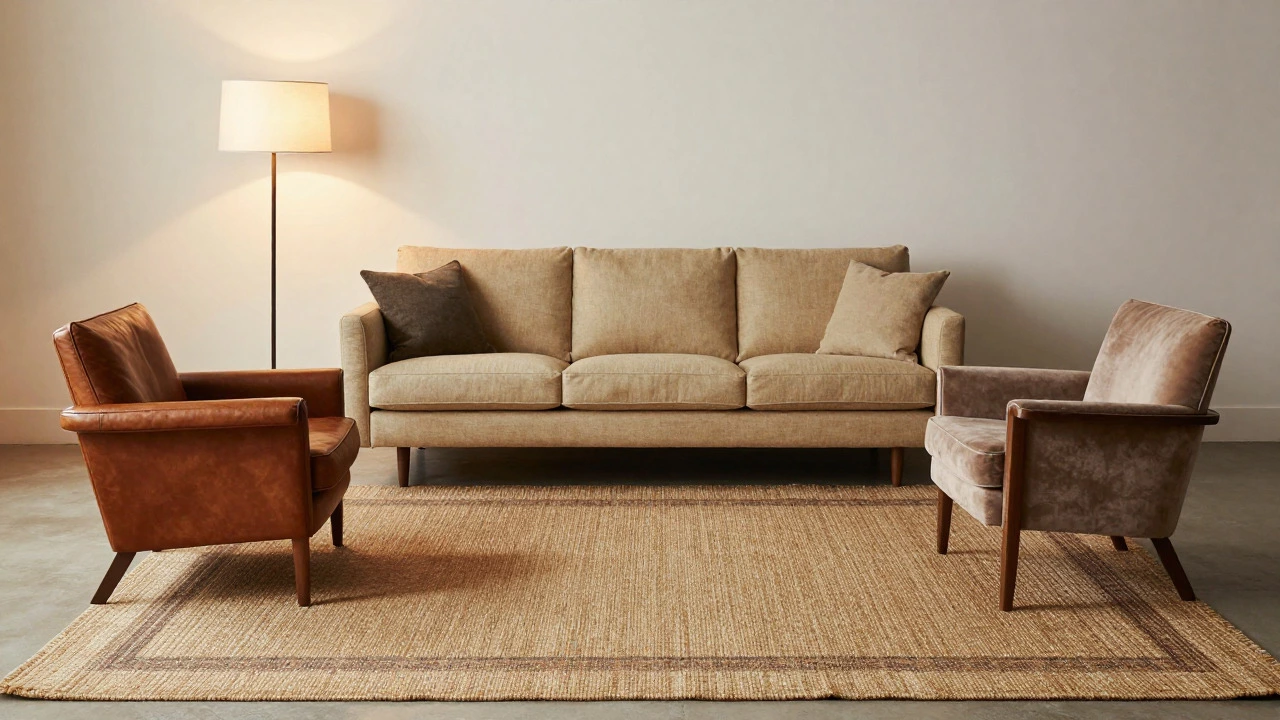
Once the sofa is placed, add complementary seating. Avoid matching armchairs perfectly; instead, mix styles that share a common thread, like similar leg materials or fabric textures. This creates visual interest without looking like a showroom display.
Layer Textures and Rugs
Texture adds warmth and dimension, especially in minimalist spaces. Combine smooth surfaces like glass or metal with soft materials like wool, linen, or velvet. A high-pile rug under the coffee table ties the seating area together. For open-plan layouts, ensure the rug is large enough to anchor all front legs of the main furniture pieces. If the rug is too small, it looks like an afterthought rather than a foundation.
Consider layering. Place a durable jute or sisal rug underneath a smaller, patterned wool rug. This protects the delicate top layer while adding depth. It also allows you to change the aesthetic seasonally by swapping only the top rug.
Add Lighting for Ambiance
Lighting is often overlooked until it’s too late. Relying solely on overhead lighting creates harsh shadows and a flat look. Instead, use three layers of light: ambient, task, and accent.
- Ambient Light: A central ceiling fixture or chandelier provides general illumination.
- Task Light: Floor lamps near reading corners or desk areas offer focused light.
- Accent Light: Wall sconces or picture lights highlight artwork or architectural details.
Dimmer switches are essential for controlling mood. Being able to lower the lights in the evening transforms a functional daytime space into a cozy evening retreat. Choose bulbs with a warm color temperature (2700K-3000K) to enhance the inviting atmosphere.
Finish with Decorative Accessories
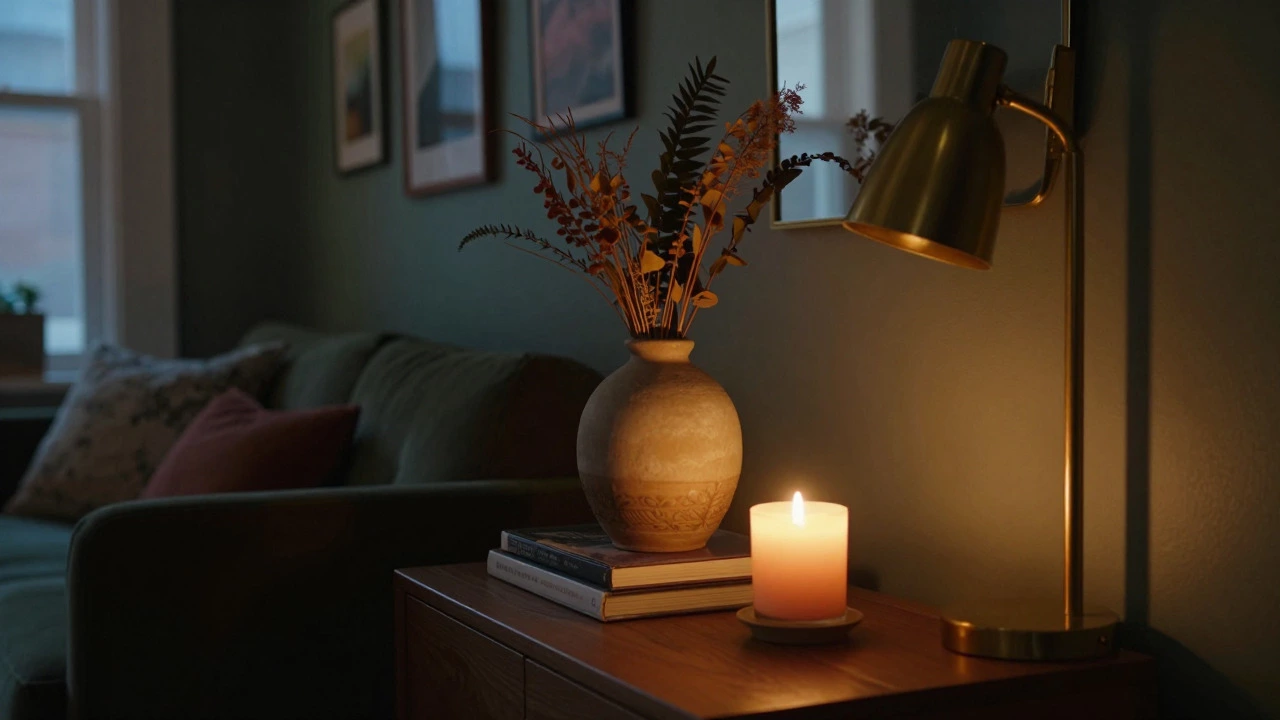
Accessories are the final polish. They should reflect your personality but remain curated, not cluttered. Group items in odd numbers (three or five) for natural balance. Mix heights by placing a tall vase next to a stack of books and a small candle. Artwork should be sized appropriately for the wall space; a cluster of smaller frames works well above a console, while a single large statement piece suits a blank wall above a sofa.
Don’t forget vertical space. Tall bookshelves or hanging plants draw the eye upward, making ceilings feel higher. Mirrors placed opposite windows bounce natural light throughout the room, enhancing brightness and perceived size.
Common Mistakes to Avoid
Even with a plan, small errors can derail the final look. Pushing all furniture against the walls makes the room feel larger in theory but awkward in practice. Floating the sofa slightly away from the wall creates a more intimate conversation zone. Another frequent error is ignoring traffic flow. Ensure there is a clear path from the door to the exit without weaving around furniture. Finally, resist the urge to fill every empty surface. Negative space allows the eye to rest and highlights the key elements you’ve chosen.
What is the first thing I should buy for a new living room?
Start with the largest piece of furniture, typically the sofa. It defines the scale and orientation of the rest of the room. Once the sofa is placed, you can determine where to put secondary seating, rugs, and lighting based on its position.
How do I choose the right rug size for my living room?
The rug should be large enough to hold the front legs of all major seating furniture. In smaller rooms, at least the front legs of the sofa and chairs should sit on the rug. In larger open-plan spaces, aim for a rug that extends 12 to 18 inches beyond the furniture perimeter to anchor the zone clearly.
Should I match my armchairs to my sofa?
No, exact matching can look stiff and formal. Instead, choose armchairs that complement the sofa in terms of scale and style. You might pair a modern leather chair with a traditional fabric sofa if they share a similar height or leg material. Mixing textures and patterns creates a more dynamic and personalized look.
How much clearance do I need between furniture pieces?
Allow at least 14 to 18 inches between the sofa and coffee table for easy access. Keep 24 to 36 inches between facing seating groups to facilitate conversation. Main walkways should be at least 36 inches wide to allow comfortable passage without bumping into furniture.
Can I style a living room on a budget?
Yes, by prioritizing quality in high-use items like the sofa and rug, and saving on decorative accessories. Thrift stores, online marketplaces, and sales events are great sources for unique finds. Focus on one or two statement pieces and keep the rest simple and affordable. DIY projects, such as painting old frames or creating custom gallery walls, add personality without high costs.