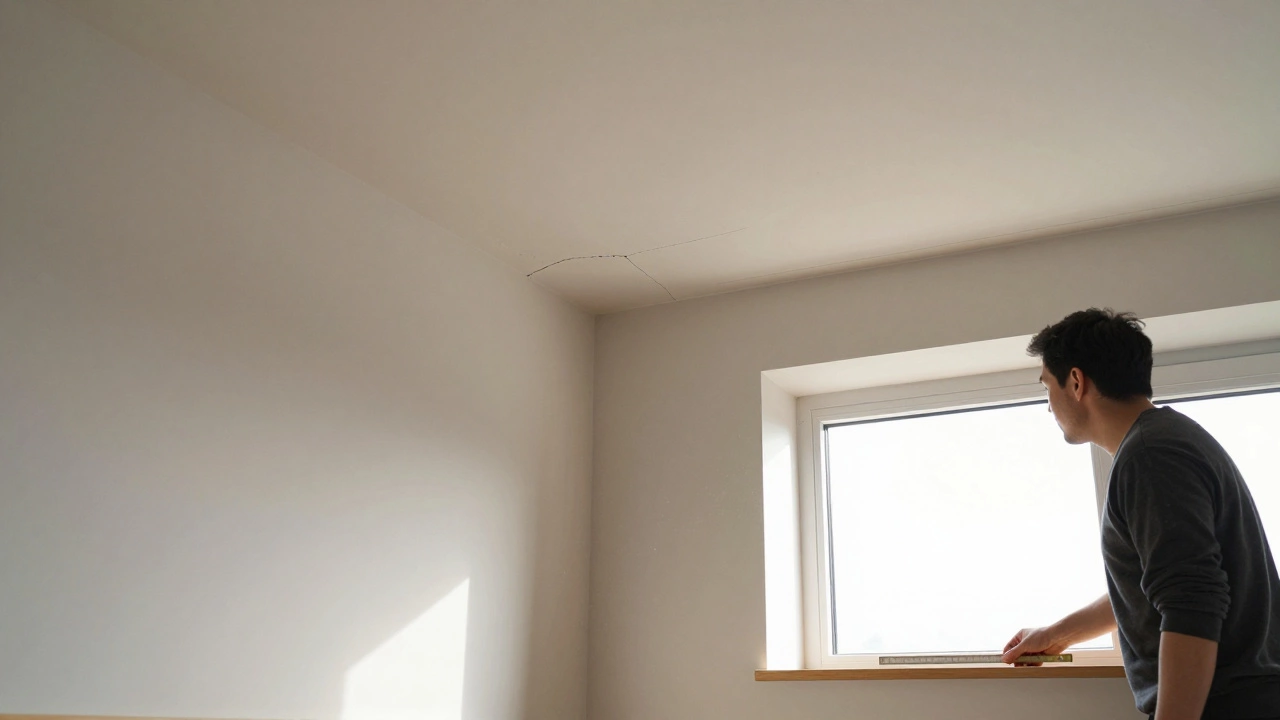
Crack Assessment Tool
Enter details about cracks in your new build home to determine their severity and recommended next steps.
Cracks in a new build aren’t normal - and they’re not always harmless. Even if the house is only six months old, a hairline crack near a window or a jagged line along a plaster seam can send panic through any homeowner. You paid good money for a brand-new home. Why is it already showing signs of damage?
The truth is, most cracks in new builds aren’t caused by poor workmanship. They’re the result of natural processes that happen when materials dry, shrink, and settle. But that doesn’t mean you should ignore them. Some cracks are harmless. Others are warning signs. Knowing the difference saves you thousands in repairs later.
Why do cracks appear in new builds?
New homes are made of materials that change as they dry out. Concrete, plaster, timber, and bricks all lose moisture after construction. This shrinkage is normal - but it creates stress. That stress finds the weakest point, and that’s where cracks show up.
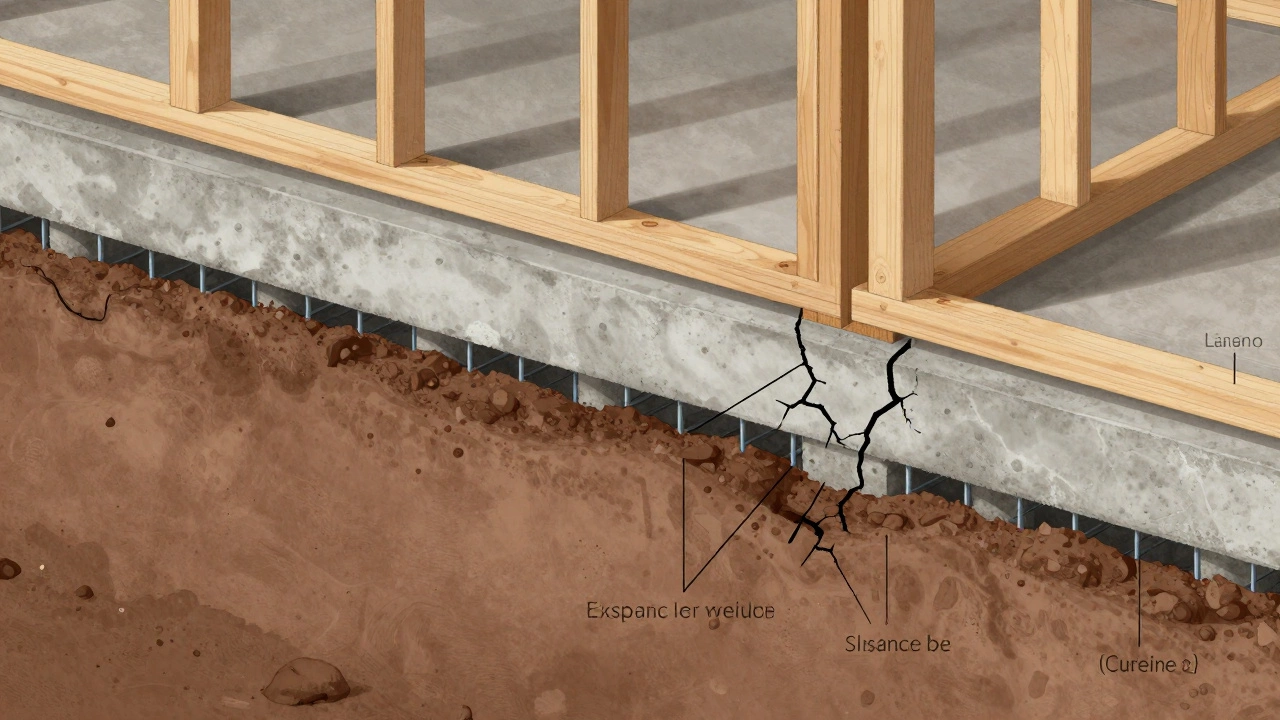
For example, concrete foundations can shrink by up to 0.1% as they cure. That might sound tiny, but in a 30-meter-long wall, that’s 3 centimeters of movement. If the foundation isn’t properly reinforced or the ground beneath it isn’t stable, that movement turns into cracks.
Timber frames also move. Wood expands and contracts with humidity. In the UK, winter air is dry, summer air is damp. That cycle starts the moment the house is sealed up. If the timber wasn’t kiln-dried properly, or if it was installed too tightly against walls or floors, it’ll push and pull until something gives.
Then there’s soil. Clay soil expands when wet and shrinks when dry. If your new build is on clay - common in southern England - the ground moves seasonally. That movement tugs at the foundation. And if the foundation wasn’t designed to handle that, cracks appear in walls, floors, or ceilings.
Where do cracks usually show up?
Not all cracks are the same. Where they appear tells you what’s going on.
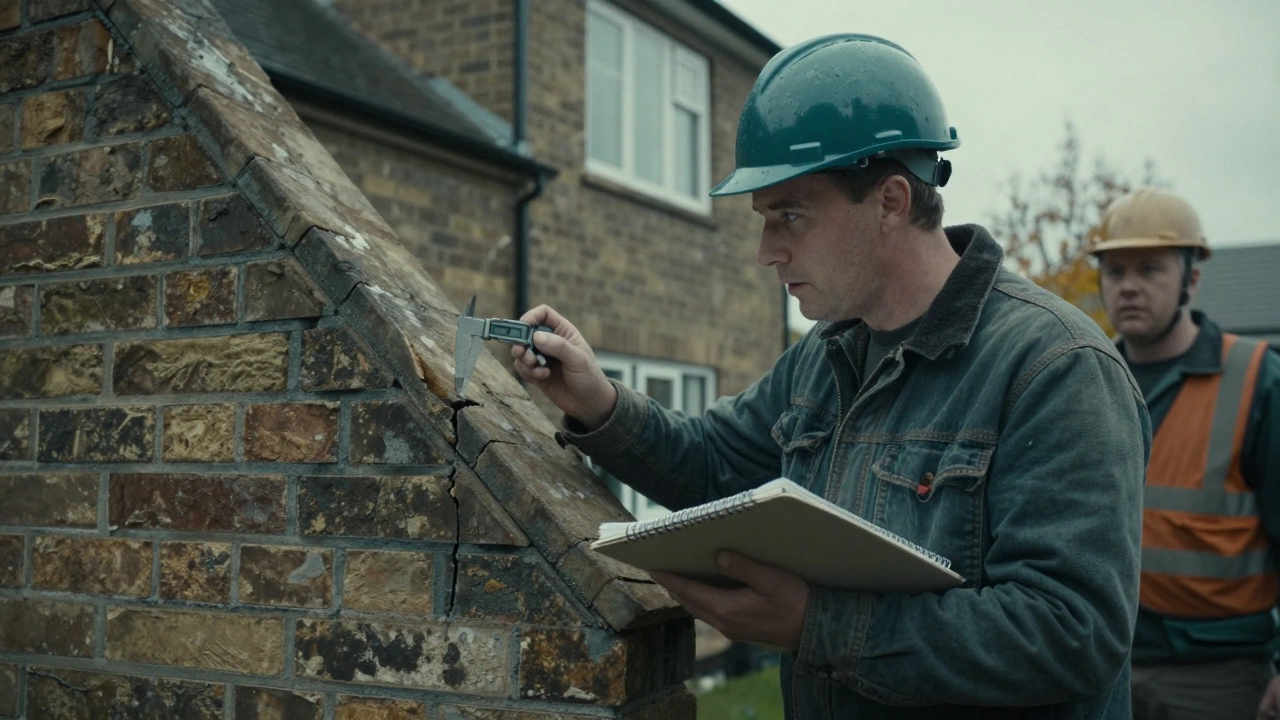
- Stair-step cracks along brickwork or blockwork - These run diagonally across mortar joints, often near corners or windows. They’re usually caused by foundation movement. If they’re wider than 3mm, get them checked.
- Vertical cracks above doors and windows - These are common where the structure settles. If they’re thin (less than 1mm) and stop at the frame, they’re likely just plaster shrinkage.
- Ceiling cracks running along joists - These happen when the timber frame settles unevenly. If the crack is wider than 2mm or runs across multiple joists, it’s not normal.
- Horizontal cracks in walls - These are serious. They often mean the wall is under too much pressure, possibly from soil pushing in or a structural failure.
- Crazing or spiderweb cracks in plaster - Tiny, random lines across a ceiling or wall. These are surface-level and caused by fast drying of the plaster. Harmless, but ugly.
Keep a notebook. Take photos. Note the date and size of each crack. That record helps builders diagnose the problem - and protects you if you need to make a claim under your warranty.
How to stop cracks before they start
The best way to prevent cracks? Build right from the start. Here’s what matters most:
- Use properly dried timber - Timber should have a moisture content below 16%. Ask for the timber’s kiln-dry certificate. Wet timber shrinks after installation, pulling walls and floors out of alignment.
- Install movement joints - These are gaps in brickwork, plaster, or flooring that let materials expand and contract without cracking. They’re required by building regulations in the UK. If your builder skipped them, push back.
- Control drying time - Don’t rush plastering or concreting. In cold, damp weather, curing takes longer. Builders who turn on heating too early or use fast-drying mixes create internal stress. Ask for a curing schedule.
- Use reinforced concrete - Foundations and ground floors should have steel mesh or rebar. A thin slab without reinforcement will crack under load. Check the structural drawings - if there’s no steel, it’s a red flag.
- Compact the ground properly - If the soil under your house wasn’t compacted to 95% density, it’ll settle unevenly. That’s a leading cause of foundation cracks. Ask for compaction test reports.
Don’t assume your builder knows this. Many small builders cut corners to save time. If you’re buying off-plan, get an independent structural survey before exchange. It’s not expensive - around £300-£500 - and it can save you £10,000 in repairs.
What to do when cracks appear
If you spot a crack, don’t panic. Don’t rush to fill it with caulk. That’s like putting a bandage on a broken bone.
First, measure it. Use a ruler. If it’s less than 1mm wide and doesn’t grow over a week, it’s probably just drying shrinkage. Leave it alone. It’ll stabilize.
If it’s wider than 1mm, or if it’s growing - especially after rain or a cold snap - document it. Take a photo every week. Note the weather. Is the crack wider after a dry spell? That’s soil movement. Is it wider after a heavy frost? That’s foundation heave.
Then, check your warranty. Most new builds in the UK come with a 10-year NHBC warranty. The first two years are covered by the builder. After that, NHBC steps in. You have to report problems within those first two years. Don’t wait. Report even small cracks early.
If the builder dismisses it, get a second opinion from a structural engineer. Don’t use a general surveyor. You need someone who looks at foundations, load paths, and soil reports. They’ll tell you if it’s cosmetic or structural.
What builders get wrong
Most new build cracks come from three mistakes:
- Skipping the damp-proof course - If the ground floor slab doesn’t have a proper DPC, moisture rises into the walls. That causes plaster to blister and crack. Always check for a continuous membrane under the floor.
- Using the wrong mortar - Cement-rich mortar is rigid. It doesn’t flex. When bricks move, the mortar cracks. Lime-based mortar is more flexible and better for new builds. Ask what mix was used.
- Installing windows too early - If windows are fitted before the walls have fully settled, the frame can warp. That pulls the surrounding plaster. Always wait at least 4 weeks after brickwork before installing windows.
These aren’t mistakes you’d notice from the outside. That’s why you need to ask questions. Don’t be shy. Builders expect them.
Long-term maintenance to avoid future cracks
Even if your house is crack-free now, you need to keep it stable.
- Keep gutters clean - Overflowing gutters soak the ground around your foundation. That’s how clay soil turns into a sponge. Clean them twice a year.
- Plant trees wisely - Large trees like willows or oaks can draw moisture from soil 10 meters away. Keep them at least 5 meters from the house. If you’re planting new trees, choose smaller species like dogwood or crabapple.
- Control indoor humidity - Use extractor fans in bathrooms and kitchens. Run a dehumidifier in winter if you notice condensation on windows. Too much moisture in the air = swollen timber = stress on walls.
- Don’t overheat - Cranking up the thermostat in winter dries out the air and the wood. Keep it at 18-20°C. That’s enough to be comfortable and keep materials stable.
These aren’t fancy fixes. They’re simple habits. But they’re the difference between a house that lasts 50 years and one that needs major repairs by year 10.
When to call a professional
Here’s when you need an expert - not a handyman:
- Cracks wider than 3mm
- Cracks that are growing month after month
- Doors or windows that stick or won’t close properly
- Uneven floors - especially if you can roll a marble across them
- Cracks that go from the foundation up through multiple floors
Don’t wait for a crack to get bigger. If you see any of these, get a structural engineer in. Their report can be used to force your builder to fix it under warranty. And if the builder refuses, you can use it to claim under NHBC.
Most people wait until the crack is the width of a pencil. By then, the damage is done. Catch it early, and you might just need a bit of plaster.
Are hairline cracks in new builds normal?
Yes, very thin cracks - less than 1mm - are normal in the first 6-12 months. They’re caused by plaster or mortar drying out. These are surface-level and won’t spread. Just monitor them. If they don’t grow, they’re harmless.
Can I fix new build cracks myself?
Only if they’re cosmetic. Fill thin cracks with flexible filler, then repaint. But if the crack is wider than 1mm, or if it’s in the foundation or along a load-bearing wall, don’t touch it. Covering it up hides the real problem. You could make it worse.
How long does it take for a new build to stop settling?
Most movement happens in the first 12 months, but some settling can continue for up to 2 years, especially in clay soil areas. After that, major movement should stop. If cracks keep appearing after 24 months, it’s not settling - it’s a structural issue.
Does NHBC cover crack repairs?
Yes, if the crack is caused by a structural defect and reported within the first two years. NHBC covers foundation movement, wall failure, and major structural cracks. Cosmetic cracks from drying aren’t covered. Always report early - even if you’re not sure.
Can poor drainage cause cracks in new builds?
Absolutely. Water pooling near the foundation softens the soil, causing uneven settling. In clay areas, this can lead to heave or subsidence. Make sure your property has proper sloping, gutters, and French drains. A 5% slope away from the house is standard.
Cracks in a new build aren’t the end of the world. But they’re a signal. Listen to them. Document them. Act early. The difference between a quiet repair and a costly rebuild often comes down to how quickly you respond.