Small Space Storage Solution Finder
Select a room in your home to discover smart storage strategies tailored to maximize that specific space.
Kitchen
Bedroom
Bathroom
Living Area
Living in a small home feels like playing a constant game of Tetris. You put something away, and suddenly it’s nowhere to be found because you stuffed it into the only available gap. If you are struggling with clutter because your house simply doesn’t have enough cabinets or closets, you are not alone. In cities like London, where square footage is premium, many residents face this exact challenge every day.
The good news? You don’t need a warehouse to live comfortably. The secret isn’t just buying more boxes; it’s changing how you use the space you already have. By focusing on verticality, multi-functional furniture, and ruthless editing of your belongings, you can create a home that feels open, functional, and surprisingly spacious.
What is the first step in organizing a small home?
The first step is always decluttering before you buy any storage units. If you organize junk, you still have junk-just neatly stacked. Remove anything you haven’t used in the last year, anything broken, and anything that doesn’t bring you joy or serve a clear purpose. This reduces volume immediately and makes the remaining space easier to manage.
Declutter Before You Store
It sounds obvious, but most people skip this step. They buy beautiful baskets and organizers, then fill them with things they don’t need. This creates false security. Your storage capacity is finite. If you try to store everything, nothing will fit well.
Start by doing a "one-in, one-out" rule audit. For every new item you bring into the house, one old item must leave. This keeps your total number of possessions stable. Focus on high-volume categories first: clothes, kitchen gadgets, and paper documents.
- Clothes: If it hasn’t been worn in 12 months, donate it. Seasonal items should be rotated out of sight.
- Kitchen: Do you really need three blenders? Keep the best one and give the rest away.
- Paper: Digitize bills and records. Shred physical copies unless legally required to keep them.
This process frees up physical space and mental energy. When you have fewer things, you need less storage infrastructure.
Go Vertical: Use Walls and Heights
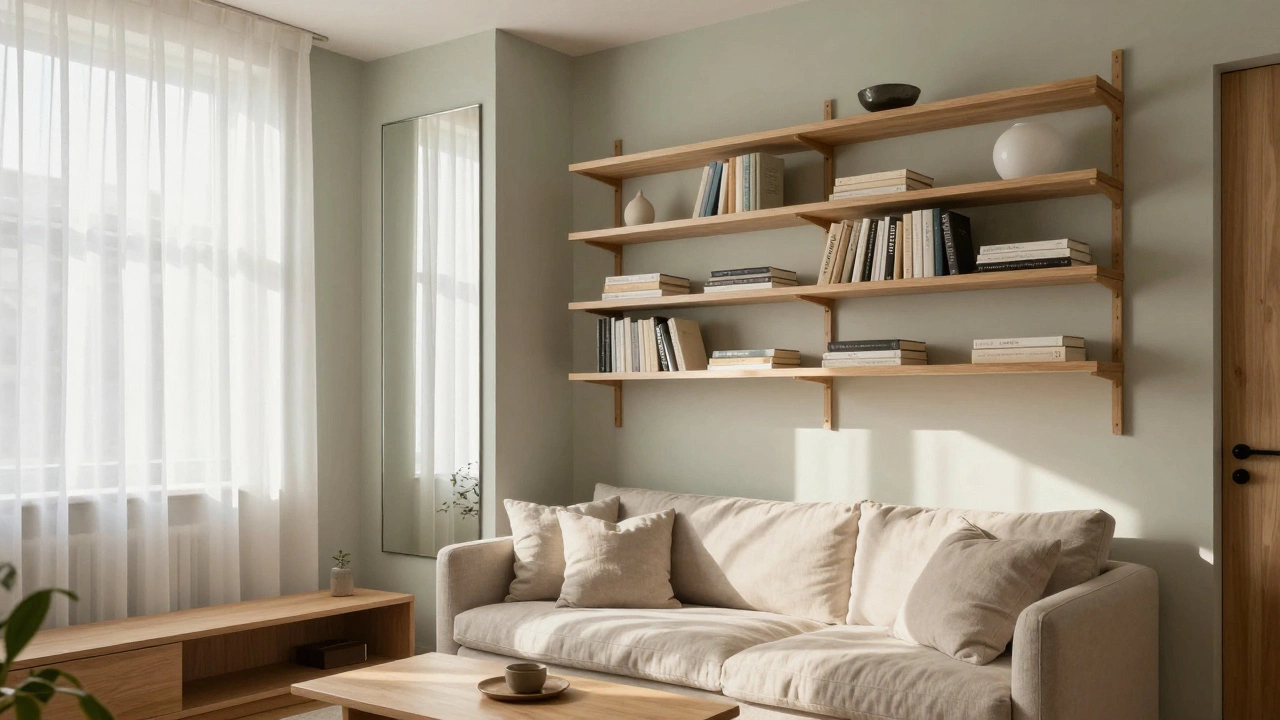
In a small home, floor space is precious. Don’t waste it with wide, low shelves. Instead, look up. Walls are your best friend when horizontal space is scarce.
Vertical Shelving is a storage strategy that utilizes wall height rather than floor area to maximize capacity. It allows you to store books, decor, and daily essentials without encroaching on walkways.Install floating shelves above doorways, in corners, or even along the side of a tall wardrobe. These spots are often dead space. In kitchens, use magnetic strips under cabinets to hold knives or spice jars. This clears counter space instantly.
Consider over-the-door organizers. These aren’t just for shoes. You can hang them on bathroom doors for toiletries, closet doors for cleaning supplies, or pantry doors for snacks. A single door can hold dozens of items if you use the right hooks and pockets.
| Room | Solution | Benefit |
|---|---|---|
| Kitchen | Magnetic Knife Strip | Frees drawer space, keeps tools accessible |
| Bathroom | Over-Door Rack | Holds towels, hair tools, and toiletries |
| Bedroom | Tall Narrow Bookcase | Utilizes corner space without blocking light |
| Entryway | Wall-Mounted Hooks | Keeps coats and bags off the floor |
Multi-Functional Furniture Is Key
Every piece of furniture in a small home should earn its keep. If a chair only sits there, it’s taking up valuable real estate. Look for items that do double duty.
Ottomans with hidden compartments are perfect for storing blankets, magazines, or board games. Beds with drawers underneath replace the need for a separate dresser. In living rooms, a coffee table with lift-top storage can hide remotes and chargers while providing a surface for drinks.
Consider fold-down desks or drop-leaf tables. These allow you to create a workspace or dining area only when needed, then tuck them away to reclaim floor space. This flexibility is crucial in studios or one-bedroom apartments.
Master the Art of Under-Bed Storage
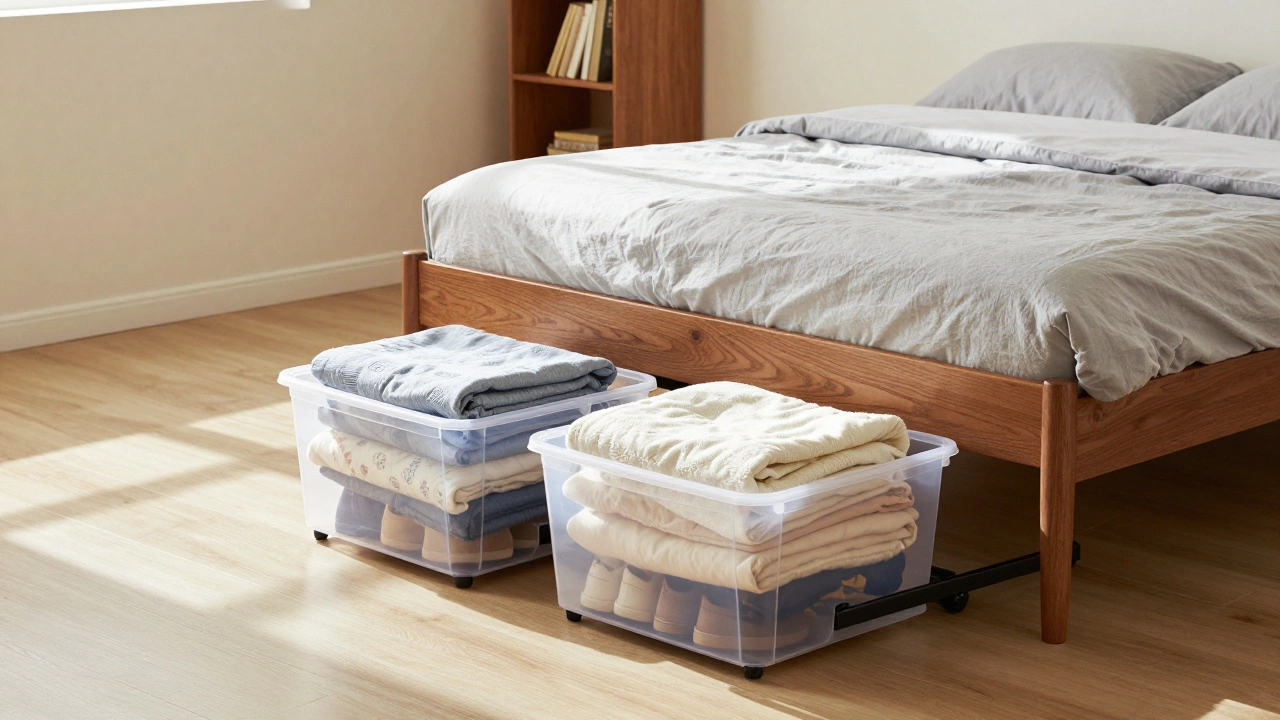
The space under your bed is often completely wasted. Even if you have a platform bed, there’s usually at least a few inches of clearance. Use this area for seasonal items, extra linens, or shoes.
Rolling bins are ideal here. They slide in and out easily, so you don’t have to crawl on the floor to retrieve things. Label each bin clearly. If you forget what’s inside, the storage becomes useless because you’ll never dig through it.
If your bed frame is low, consider risers. These simple wooden blocks can add 4-6 inches of height, creating room for larger storage containers. Just ensure the bed remains stable and safe.
Optimize Kitchen Cabinets and Drawers
Kitchens are notorious for clutter. Pots, pans, spices, and appliances compete for limited cabinet space. The solution is to organize vertically within those spaces.
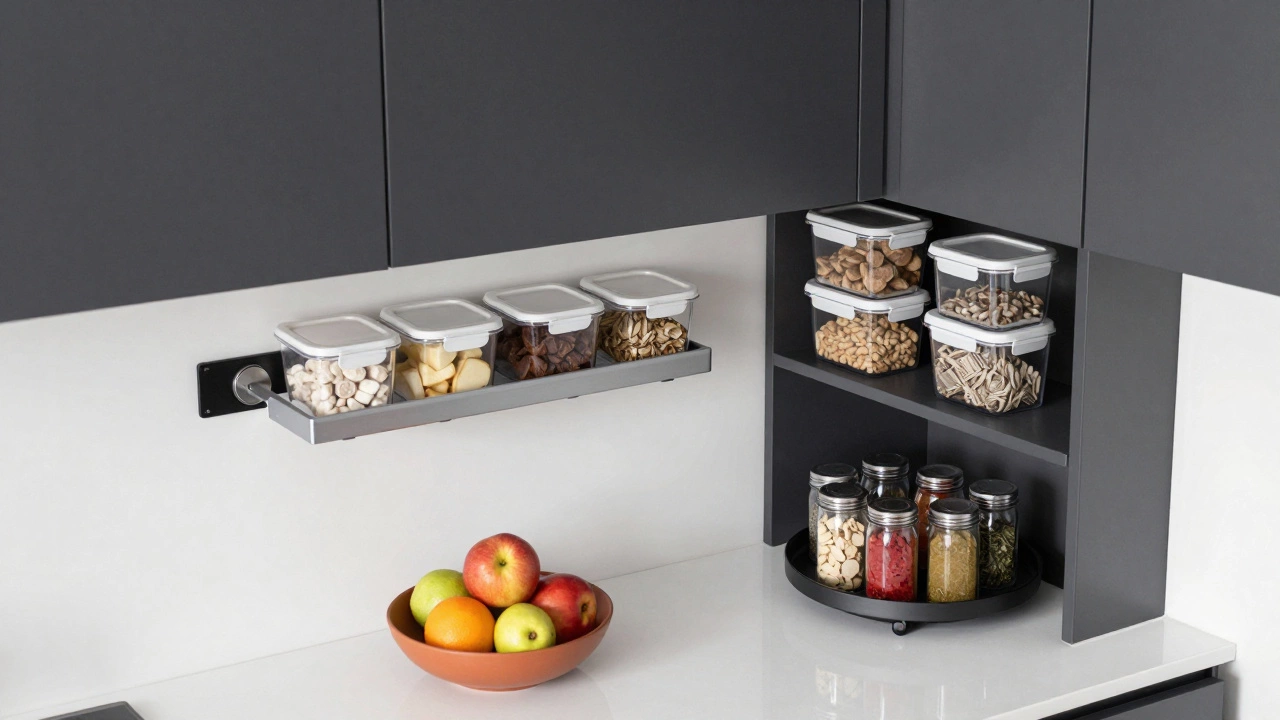
Use stackable shelf dividers in cabinets. Instead of having one deep shelf where items get lost in the back, split it into two levels. This doubles your usable space. For drawers, use adjustable dividers to separate utensils, cutlery, and gadgets. This prevents the "junk drawer" effect.
Hang pots from a ceiling rack or use a pot rack mounted on the wall. This not only saves cabinet space but also adds a decorative element. Similarly, install a lazy Susan in corner cabinets. Corners are notoriously hard to reach; a rotating tray brings everything to the front.
Create Zones for Daily Essentials
Clutter accumulates when items don’t have a designated home. Create specific zones for things you use daily. For example, near the entryway, have a basket for keys, mail, and wallets. In the kitchen, keep a dedicated spot for frequently used spices and oils.
Label everything. It sounds childish, but labels reduce decision fatigue. When everyone in the household knows exactly where something goes, maintenance becomes effortless. Use clear containers wherever possible. Seeing the contents helps you monitor supply levels and avoid duplicates.
Embrace Minimalist Decor
Decor can quickly overwhelm a small space. Limit knick-knacks and large art pieces. Choose a few meaningful items and display them intentionally. Less visual noise makes a room feel larger and calmer.
Stick to a cohesive color palette. Light colors reflect light and make spaces feel airier. Darker tones can be used sparingly for accent walls, but too much dark color can shrink a room visually. Mirrors are another trick-they bounce light around and create an illusion of depth.
Maintain Your System
Organizing isn’t a one-time event. It’s a habit. Spend five minutes each evening resetting your main living areas. Put dishes in the dishwasher, return cushions to sofas, and wipe down surfaces. This prevents small messes from becoming overwhelming chaos.
Revisit your storage systems every six months. As your life changes, so do your needs. What worked last year might not work now. Be willing to adjust and refine your approach.
Can I use plastic bins for long-term storage?
Yes, but choose clear, stackable bins with secure lids. Clear bins let you see contents without opening them, saving time. Stackable designs maximize vertical space. Avoid opaque bins unless you label them meticulously, as forgotten items often end up being discarded later.
How do I organize a tiny bathroom?
Focus on vertical space. Install shelves above the toilet tank, use over-the-door racks for towels and cleaners, and place a caddy inside shower doors for shampoo and soap. Decant products into smaller, uniform bottles to save space and reduce visual clutter.
Is it worth investing in custom built-ins?
Custom built-ins are expensive but highly effective for permanent homes. They utilize awkward nooks and corners that standard furniture cannot. For renters or budget-conscious homeowners, modular shelving systems offer similar benefits at a lower cost and with greater flexibility.
What should I do with sentimental items I can't throw away?
Limit displayed sentimental items to a few favorites. Store the rest in labeled boxes in a less visible area, like the top of a wardrobe or under the bed. Taking photos of items allows you to keep the memory without keeping the physical object, freeing up significant space.
How can I make a small bedroom feel bigger?
Use light-colored bedding and curtains. Keep floors clear by using under-bed storage. Hang clothes instead of folding them to save drawer space. Finally, ensure lighting is layered-use bedside lamps and overhead lights to create depth and avoid shadows that shrink the room.