Landscaping Quote Negotiation Estimator
Project Details
Enter your quote details and click "Analyze" to see your negotiation strategy.
Most homeowners think the price tag on a landscaping quote is set in stone. It isn't. In fact, treating it as fixed often means you overpay for work you don't need or underpay for quality you deserve. The truth? Negotiating with a landscaper is less about haggling like you're at a market stall and more about aligning expectations, scope, and value. If you're planning a garden overhaul this autumn, understanding how to have that conversation can save you hundreds-or even thousands-of pounds.
Know Your Scope Before You Talk Price
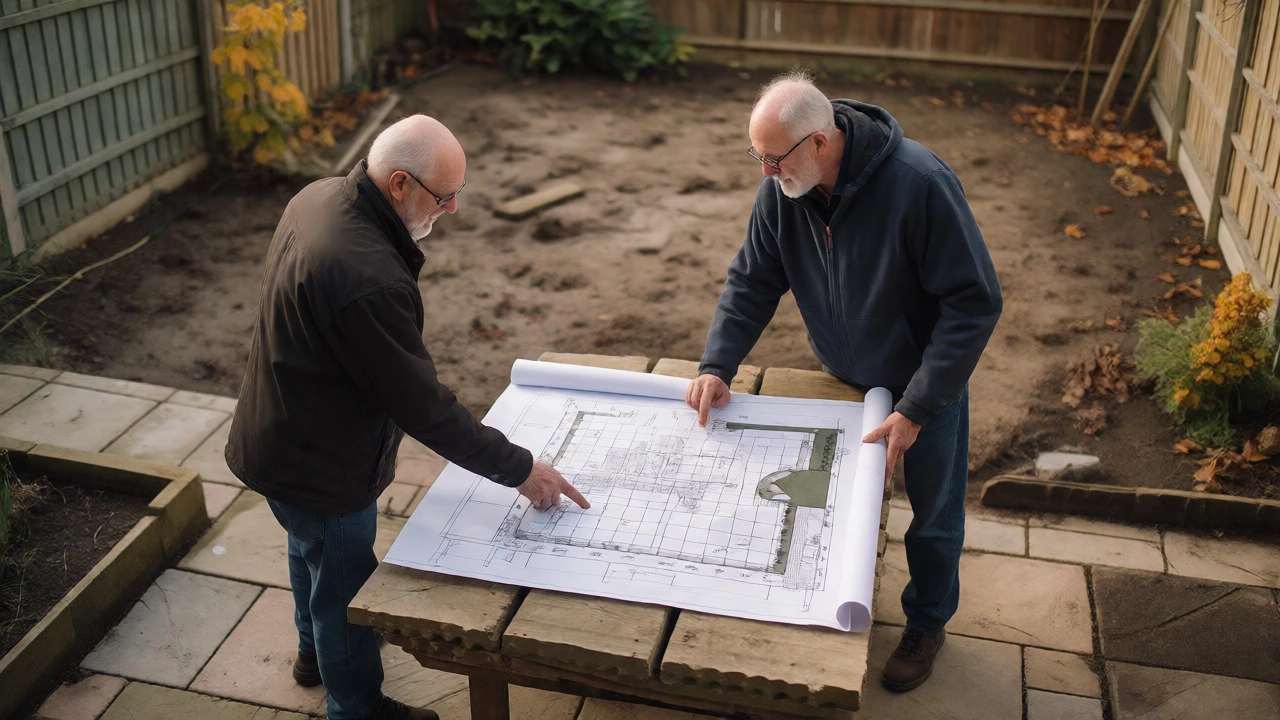
You can't negotiate what you haven't defined. One of the biggest mistakes people make is asking for a quote without a clear plan. Are you just clearing weeds, or are you installing a patio, laying turf, and adding lighting? Each element has different labor and material costs.
Start by writing down exactly what you want. Break it into phases if necessary. For example:
- Phase 1: Clearing and leveling the ground.
- Phase 2: Installing paving slabs.
- Phase 3: Planting shrubs and flowers.
This clarity helps landscapers give accurate estimates. It also gives you leverage. If you decide to drop Phase 3 because budget constraints hit, you know exactly what cost reduction to expect. Vague requests lead to vague quotes, which are hard to challenge.
Get Multiple Quotes (But Not Too Many)
Three is the magic number. Getting one quote leaves you blind. Getting ten wastes your time and confuses the professionals. Three quotes from reputable local firms give you a realistic market range.
When comparing these landscaping quotes, look beyond the bottom line. Check what's included. Does Quote A include waste removal? Does Quote B assume you'll supply the plants? These details change the true cost. A lower price might mean they're skipping prep work, which could bite you later when your new lawn turns brown because the soil wasn't treated.
Ask each landscaper to break down their quote into materials, labor, and overheads. This transparency makes negotiation easier because you can target specific line items rather than arguing over a lump sum.
Understand What Drives Their Costs
Landscaping isn't just buying plants and digging holes. Major cost drivers include:
- Labor hours: Skilled stonemasons charge more per hour than general laborers.
- Material availability: Imported stone or rare plants cost more due to shipping and scarcity.
- Site access: If their machinery can't reach your backyard, everything becomes manual labor, increasing time and cost.
Knowing this helps you find areas to cut. Can you provide easy access for a mini-digger? Can you choose locally sourced gravel instead of imported marble? Small adjustments here reduce their risk and effort, which they should reflect in the price.
| Factor | Impact on Cost | How to Mitigate |
|---|---|---|
| Site Access | High (Manual labor increases hours) | Clear pathways; ensure gate width fits equipment |
| Material Choice | Medium-High (Imported vs. Local) | Choose native plants; use standard-sized pavers |
| Design Complexity | Medium (Custom cuts take time) | Opt for modular designs; avoid intricate curves |
| Timing | Low-Medium (Off-season discounts) | Schedule for late autumn or early spring |
The Art of the Counter-Offer
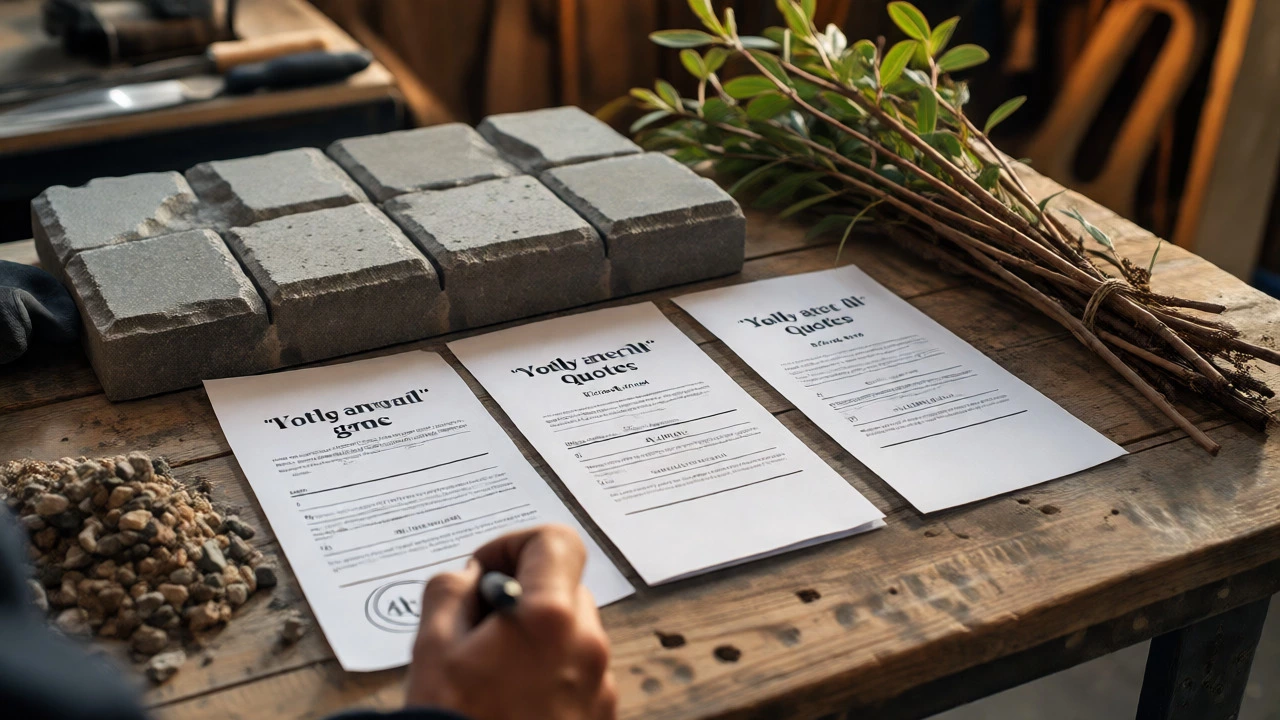
Once you have quotes, don't just accept the lowest one immediately. Use them as data points. If Company A quotes £5,000 and Company B quotes £4,200 for similar work, ask Company A if they can match or beat it. Be honest: "I like your portfolio, but Company B came in lower. Can we review the scope to see where savings can be made?"
Remember, landscapers are business owners. They have margins, but they also have idle capacity. If they're quiet in November, they might offer a better rate to keep their team working. Timing matters. Approaching them during their busy season (spring) yields less flexibility than approaching them in winter.
Avoid aggressive lowballing. Offering 50% off a fair quote insults their expertise. Instead, aim for 5-10% off, or ask for added value like free maintenance for the first month. That benefits both sides: you get extra service, they keep their rate integrity.
Payment Terms Are Part of the Deal
Negotiation isn't just about total cost; it's about cash flow. Never pay 50% upfront unless it's a very small job. Standard practice is a deposit (10-20%) followed by progress payments.
Propose terms that protect you. For example:
- 10% deposit upon signing.
- 30% after site clearance and groundwork.
- 40% after hardscaping (patios, walls).
- 20% final payment after completion and snagging.
If a landscaper demands 50% upfront, push back. Ask why. Is it to buy materials? Offer to pay suppliers directly for large items like trees or slabs. This reduces their financial risk and yours.
Put Everything in Writing
A handshake isn't enough. Once you've negotiated the price, scope, and timeline, get a detailed contract. This document should specify:
- Exact materials (brand, type, quantity).
- Start and end dates.
- Payment schedule.
- What happens if delays occur (weather, supply chain issues).
A clear contract prevents "scope creep," where small additions pile up and inflate the bill unexpectedly. If you agree to add a bird bath mid-project, note it in writing with its cost before work begins.
Building a Long-Term Relationship
If you plan to maintain your garden annually, consider negotiating a package deal. Some landscapers offer discounted rates for ongoing maintenance contracts. Tell them you're looking for a long-term partner, not a one-off job. This often unlocks better pricing because they value guaranteed future income.
Be respectful and communicative throughout. Landscapers deal with difficult clients regularly. Being reasonable, paying on time, and providing clear feedback makes you a preferred customer. Next year, when you need urgent tree surgery, they'll prioritize you-and likely offer a friendly rate.
Frequently Asked Questions
Is it rude to negotiate with a landscaper?
No, it's expected. Most contractors build a buffer into their quotes. As long as you're polite, realistic, and base your requests on comparable quotes or scope changes, they will respect the discussion.
Should I pay cash to get a discount?
Sometimes. Cash saves them transaction fees and tax complications, so some may offer 3-5% off. However, always get a receipt. Paying via bank transfer is safer for record-keeping and consumer protection laws.
What if the project goes over budget?
Communicate early. If unexpected rocks or drainage issues arise, stop and discuss options. You can choose cheaper alternatives or adjust the scope. Never let them proceed with expensive changes without your approval.
Do I need insurance from my landscaper?
Yes. Ensure they have public liability insurance. This covers damage to your property or injuries to third parties during the work. Ask for proof of insurance before signing the contract.
Can I supply my own materials?
You can, but many landscapers prefer to supply materials to guarantee quality and availability. If you do supply, expect them to charge a handling fee or refuse warranty claims on those items. Discuss this clearly in the quote stage.