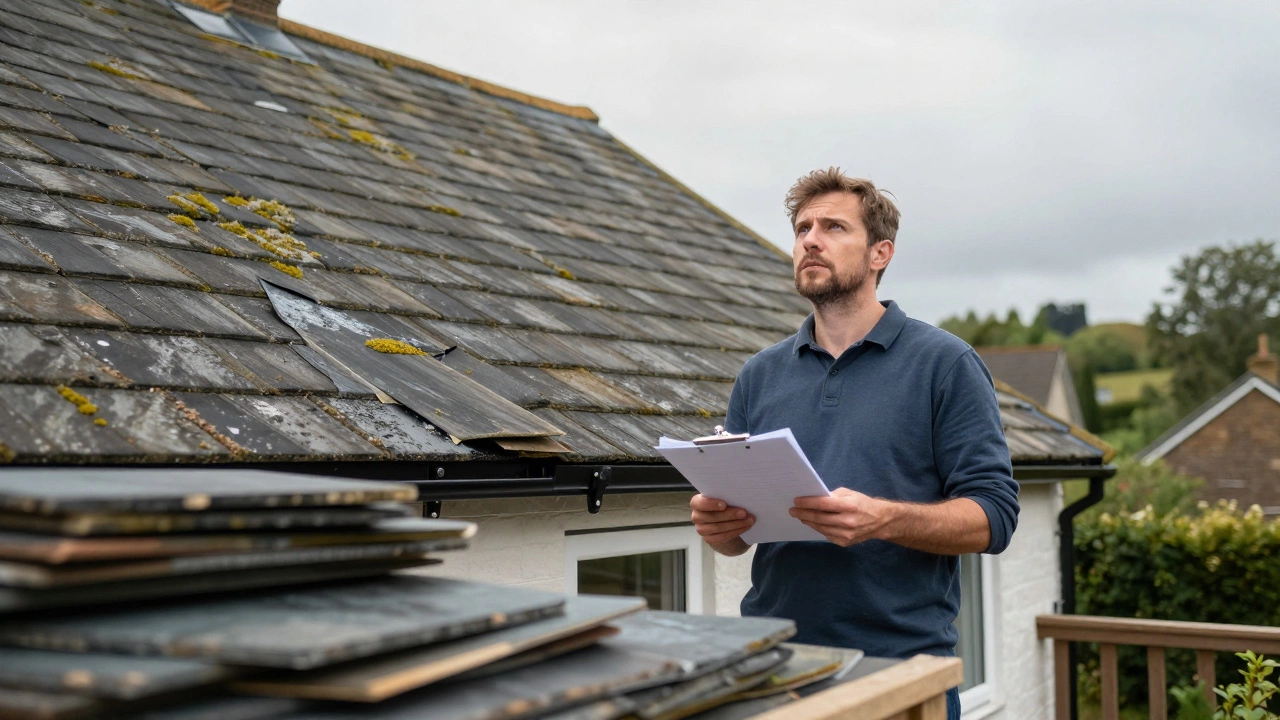
Roof Cost Estimator & Negotiation Guide
Project Details
Cost Breakdown
Staring at a quote for a new roof can feel like staring down a blank check. You need it done right, but you also know that roofing services are not exactly cheap. The average cost for a full replacement in 2026 hovers between $9,500 and $13,500 for a standard American home. That is a significant chunk of your savings. But here is the good news: unlike buying a car or a house, the price of a roof is rarely fixed. It is fluid, influenced by material availability, labor scheduling, and most importantly, how well you negotiate.
You do not have to accept the first number thrown at you. In fact, accepting the first quote often means you are paying for the contractor's initial buffer, not their actual bottom line. Negotiating a roof replacement is less about haggling over pennies and more about understanding the value components of the job. When you know what you are looking at, you can strip away the fluff and get a fair price.
Understanding the Anatomy of a Roof Quote
Before you can negotiate, you need to speak the language of the roofer. Most homeowners look at the total price and react emotionally. Pros look at the line items. A detailed estimate breaks down into three main buckets: materials, labor, and overhead/profit. Understanding these helps you identify where there is room to move.
Asphalt shingles are the most common roofing material in North America due to their affordability and durability. They typically account for 40% to 50% of the total project cost. If you are getting quoted for architectural shingles, which offer better wind resistance and aesthetics than basic 3-tab shingles, the material cost will be higher. However, the markup on materials is usually thin because contractors buy wholesale. The real margin lies in labor and waste management.
Labor costs vary wildly based on region and complexity. A simple gable roof with easy access is faster to install than a complex hip roof with multiple valleys and skylights. Overhead includes insurance, permits, and equipment rental. Profit is what keeps the business running. When negotiating, you are primarily trying to optimize the labor efficiency and reduce unnecessary overhead, not drive the profit margin into the ground. If you squeeze the profit too hard, you risk cutting corners on installation quality, which leads to leaks later.
The Power of Multiple Estimates
The single most effective tool in your negotiation arsenal is competition. Never hire the first roofer who knocks on your door after a storm. Always get at least three, preferably five, written estimates. This does not just give you leverage; it gives you data.
When you receive these quotes, lay them side by side. Look for discrepancies. If one contractor quotes $10,000 and another quotes $15,000 for the same scope of work, something is off. One might be using inferior underlayment, skipping necessary ventilation repairs, or charging premium rates for brand recognition. The other might be including high-end materials or extensive deck replacement. Your goal is to align the scopes so you are comparing apples to apples.
Use the lower quotes as a benchmark. Call the higher-priced contractors and say, "I have a quote from [Competitor] for $X that includes [List Key Items]. Can you match this price or explain why your solution is different?" Often, they will adjust their price to stay in the running. If they cannot, they must justify the difference with superior materials, warranty, or craftsmanship. This forces transparency.
| Material | Average Cost per Sq Ft | Lifespan | Negotiation Potential |
|---|---|---|---|
| Asphalt Shingles (Architectural) | $4.50 - $7.00 | 25-30 years | High |
| Metal Roofing (Steel) | $8.00 - $12.00 | 40-70 years | Medium |
| Clay Tile | $10.00 - $18.00 | 50+ years | Low |
| Slate | $15.00 - $25.00+ | 100+ years | Very Low |

Timing Is Everything
When you ask for the job matters almost as much as how you ask. Roofing is a seasonal business. Spring and early summer are peak seasons when demand outstrips supply. Contractors are busy, and prices are firm. Late fall and winter, depending on your climate, are slow seasons. Contractors need cash flow during these months to pay salaries and keep crews employed.
If you can schedule your roof replacement in November or January (assuming no snow or ice), you have significant leverage. You can offer a quick start date, which is valuable to a contractor trying to fill gaps in their schedule. Conversely, if you need the roof done urgently due to damage, you lose all negotiating power. Emergency repairs are priced at a premium because they disrupt planned workflows. Plan ahead whenever possible.
Another timing tip is to avoid major holiday weeks. Contractors may rush jobs before Thanksgiving or Christmas to close out their fiscal year. While this might seem like a bad time, some companies offer discounts to meet sales quotas or tax planning goals. Ask directly: "Do you have any end-of-year promotions or incentives for closing projects before December 31st?"
Strategic Leverage Points
Once you have your quotes and a preferred timeframe, it is time to negotiate. Here are specific tactics that work without damaging the relationship.
1. Adjust the Scope: Sometimes the price is high because the scope is too broad. Do you really need to replace every single vent pipe boot? Are all those old nails being pulled and patched? Ask the contractor to walk through the estimate with you. Identify items that are optional or can be deferred. For example, if your fascia boards are in decent shape, maybe you don't need them replaced yet. Reducing the scope reduces the price.
2. Material Substitutions: Ask if there are alternative brands of shingles that perform similarly but cost less. Major manufacturers like GAF is a leading manufacturer of roofing products known for its warranty programs and widespread distribution., Owens Corning, and CertainTeed have tiered product lines. Moving from a premium designer line to a standard architectural line can save thousands while still providing excellent protection.
3. Payment Terms: Contractors prefer cash flow. Offering a larger deposit or paying the final balance immediately upon completion can sometimes unlock a discount. However, never pay 100% upfront. Standard practice is 10-20% down, with the rest due upon satisfactory completion. Proposing a structured payment plan that benefits both parties shows you are serious and financially stable.
4. Bundle Services: If you are also planning to replace gutters, skylights, or siding, bundle the jobs. Contractors appreciate larger contracts because the mobilization cost (setting up scaffolding, dumpsters, etc.) is spread across more work. Ask for a package deal discount.
Red Flags to Watch For
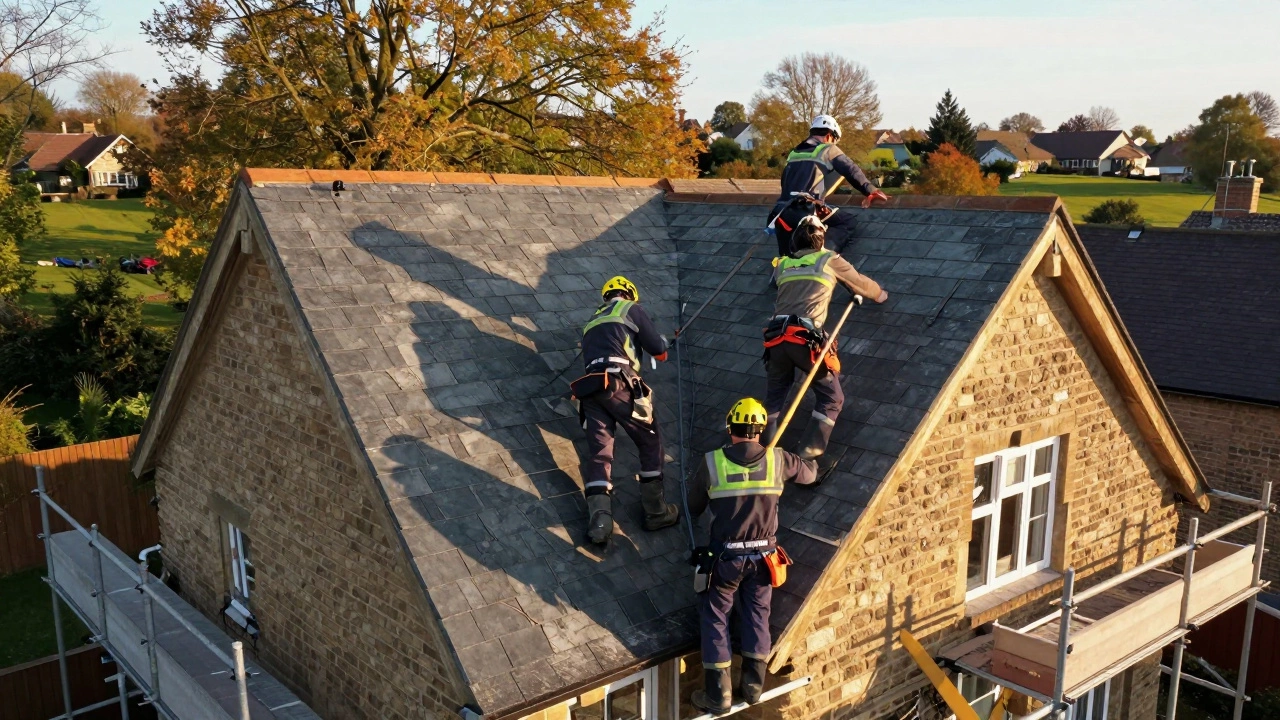
While negotiating, keep an eye out for signs that a low price is a trap. A legitimate roofer will not undercut the market drastically unless they are desperate or cutting corners. Be wary of:
- Door-to-door salesmen: These individuals often represent large franchises that use aggressive sales tactics. They may promise free roofs via insurance claims, which can lead to inflated claims and potential denial by your insurer.
- Vague estimates: Avoid quotes that lack detail. You need to know the brand, style, and color of shingles, the type of underlayment, and the warranty terms. Vague estimates leave room for surprise charges later.
- Pressure to sign immediately: Legitimate contractors give you time to think. High-pressure tactics suggest they want to lock you in before you can shop around.
- Lack of local presence: Check for a physical address in your area. Local contractors understand regional building codes and weather patterns better than fly-in crews.
Building a Partnership, Not Just a Transaction
The best negotiations result in a win-win situation. You get a fair price, and the contractor gets a profitable job they can execute well. Treat your roofer as a partner. Ask questions, listen to their expertise, and show respect for their craft. A contractor who feels respected is more likely to go the extra mile, ensuring proper ventilation, clean debris removal, and thorough inspections.
Remember, the cheapest roof is not always the best value. A poorly installed roof will leak, damage your attic, and require costly repairs within a few years. Focus on finding a reputable contractor with strong reviews and a solid warranty, then negotiate the price from that foundation. By understanding the costs, timing the market, and leveraging competition, you can secure a high-quality roof at a price that makes sense for your budget.
How much should I expect to pay for a new roof?
In 2026, the national average for a complete roof replacement with asphalt shingles ranges from $9,500 to $13,500 for a typical 2,000-square-foot home. Prices vary significantly based on location, roof pitch, and material choice. Metal roofs can cost $15,000 to $30,000, while tile or slate options exceed $25,000.
Is it worth getting multiple estimates for a roof?
Absolutely. Getting at least three estimates is crucial. It provides a baseline for pricing, reveals differences in scope and materials, and gives you leverage to negotiate. Without comparison, you cannot determine if a quote is fair or inflated.
What is the best time of year to negotiate a roof replacement?
Late fall and winter are typically the best times to negotiate, as demand is lower and contractors are eager to fill schedules. Spring and summer are peak seasons with higher prices and less flexibility. However, ensure weather conditions allow for safe installation.
Can I negotiate the materials used in my roof?
Yes. You can request alternative brands or grades of shingles that offer similar performance at a lower cost. Discuss options with your contractor and ensure any substitutions are clearly documented in the contract to maintain warranty coverage.
What questions should I ask a roofing contractor during negotiation?
Ask about their licensing and insurance, the specific brands and models of materials, the warranty details (both manufacturer and workmanship), cleanup procedures, and payment schedule. Also inquire about their experience with similar homes and request references.