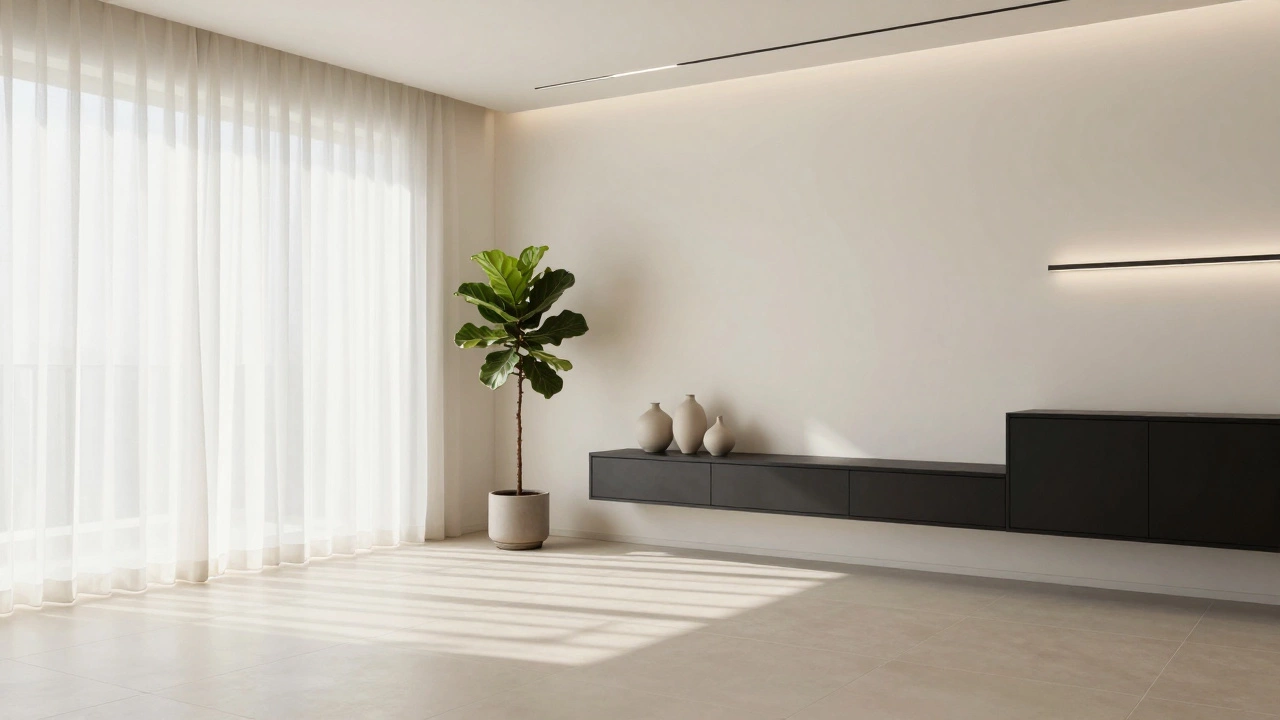
Most people don’t realize how much a few smart changes can transform a home from dated to designer. You don’t need a full renovation to get that clean, calm, modern look. It’s not about buying expensive furniture or hiring an interior designer. It’s about removing the clutter, letting in light, and choosing materials that feel intentional. If your home still has dark wood paneling, busy wallpaper, or outdated brass fixtures, you’re not alone. Millions of homes built in the 90s and early 2000s are stuck in a time warp. But modernizing doesn’t mean starting from scratch.
Start with the walls
Paint is the cheapest and fastest way to reset your space. Forget beige, cream, or warm greys. Modern interiors lean toward cool, neutral tones-think warm whites like Benjamin Moore’s White Dove, soft greys like Sherwin-Williams’ Agreeable Gray, or even deep charcoal for accent walls. These colors make rooms feel bigger, brighter, and more serene. They also act as a blank canvas for furniture and art.
Remove any wallpaper, especially if it’s textured or has a pattern. Even subtle floral or damask designs date a room instantly. Sand and prime the walls, then apply two coats of high-quality matte or eggshell paint. Matte finishes hide imperfections and reduce glare, which is why they’re the default in modern homes. If you’re unsure where to start, paint one wall in your living room or bedroom in a darker shade. It creates depth without overwhelming the space.
Upgrade your lighting
Lighting makes or breaks a modern interior. If your home still has recessed can lights from the 2000s or chandeliers with crystal drops, it’s time for a change. Modern lighting is about simplicity and function. Replace bulky fixtures with slim, linear LED strips, flush-mount ceiling lights, or minimalist pendant lamps.
Focus on layering light. Use three types: ambient (overhead), task (under-cabinet, desk lamps), and accent (track lights pointing at art or shelves). Dimmable LED bulbs are non-negotiable. They let you control mood and save energy. Brands like Philips Hue or Lutron offer smart options that let you adjust color temperature-from warm in the evening to cool white during the day.
Don’t forget natural light. Remove heavy drapes. Swap them for sheer linen curtains or roller shades in neutral tones. If you have blinds, replace plastic or wood ones with clean white or black aluminum. They disappear when closed and let light flow when open.
Replace outdated hardware
It sounds small, but changing cabinet pulls, drawer handles, and door knobs has a huge visual impact. If your kitchen or bathroom still has gold or bronze knobs from the 90s, you’re holding back the whole room’s potential. Modern homes use matte black, brushed nickel, or satin brass. These finishes are understated, durable, and work with almost any color scheme.
Look for hardware with clean lines-no ornate curves or decorative detailing. Square or rectangular pulls are ideal. For cabinets, try longer pulls (8 to 12 inches) instead of small knobs. It creates a continuous line that feels intentional. Even updating the hardware on your front door or interior doors adds a subtle but powerful touch of sophistication.
Choose modern flooring
Old carpet, especially shag or patterned styles, kills a modern look. Even if it’s clean, it feels heavy and dated. Hardwood floors in light oak, ash, or white-washed finishes are the standard. If you can’t replace flooring, consider luxury vinyl plank (LVP). Modern LVP looks identical to real wood but is water-resistant, easier to install, and costs half as much. Brands like Shaw, Armstrong, and Mohawk offer realistic wood and stone patterns.
If you have tile, check if it’s small, busy, or has a glossy finish. Modern tile is large-format-think 12x24 inches or bigger-with minimal grout lines. Matte finishes are preferred over shiny. Neutral colors like grey, beige, or soft white dominate. Avoid floral or mosaic patterns-they belong in a 1980s bathroom, not your 2025 home.
Simplify furniture and declutter
Modern design is about breathing room. If your living room has a sofa covered in throw pillows, a coffee table stacked with magazines, and a side table holding five different lamps, you’ve got visual noise. Remove everything that doesn’t serve a clear purpose. Keep only what you use daily.
Choose furniture with low profiles and clean lines. A sectional with tucked-in cushions looks more modern than a bulky, overstuffed sofa. Look for pieces with exposed legs-metal or wood-that make the floor visible. This creates a sense of lightness. Avoid dark, heavy woods like walnut or mahogany unless they’re used sparingly. Lighter woods like oak, birch, or ash feel more current.
Storage is key. Built-in shelves, hidden cabinets, and floating desks help keep surfaces clear. A media console with closed doors hides wires and electronics. If you need to display items, group them in odd numbers-three books, one plant, one ceramic vase. Less is more.
Introduce texture, not patterns
Modern interiors aren’t boring-they’re calm. But calm doesn’t mean flat. Texture adds depth without visual chaos. Use natural materials: linen curtains, wool rugs, jute baskets, ceramic vases, and unfinished wood. A chunky knit throw on the sofa, a stone side table, or a woven wall hanging adds warmth without clutter.
Avoid printed fabrics. Floral, geometric, or striped patterns on sofas or curtains make a space feel busy. Stick to solid colors or subtle textures like herringbone or boucle. If you want color, pick one accent hue-like sage green, navy, or terracotta-and use it in small doses: a single armchair, two pillows, or a piece of art.
Update your kitchen and bathroom
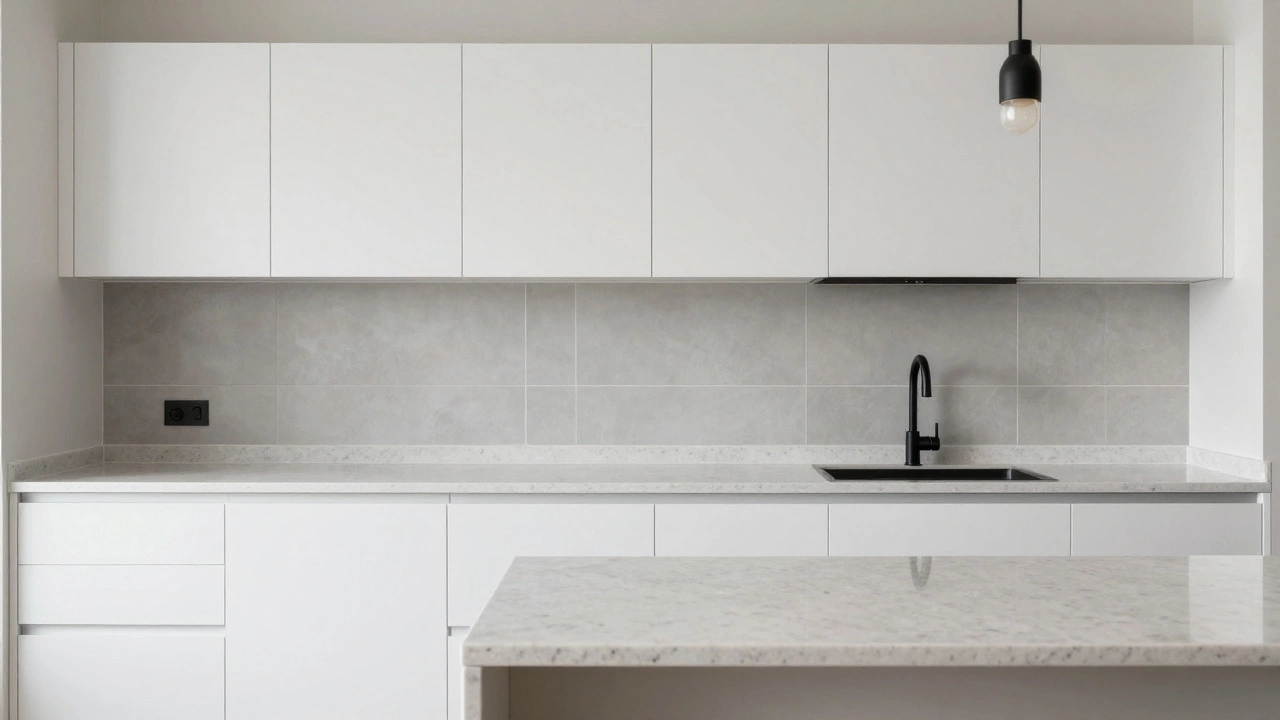
These two rooms have the biggest impact on perceived home value. In the kitchen, swap out cabinet doors for flat-panel, frameless styles. Paint them white or grey. Replace old countertops with quartz or solid surface material. They’re durable, stain-resistant, and come in seamless finishes that look expensive.
Install a matte black faucet and a single-hole sink. Undermount sinks are preferred-they create a smooth transition from counter to basin. Open shelving is trendy, but only if it’s kept extremely tidy. Otherwise, stick to closed cabinets with hidden handles.
In the bathroom, replace chrome fixtures with matte black or brushed nickel. Swap a tub surround for a large-format tile shower with no grout lines. Install a frameless glass door. Use recessed lighting instead of ceiling-mounted fixtures. Add a floating vanity with integrated storage. Even a new mirror with a thin metal frame can make the room feel more upscale.

Art and accessories: less is more
Modern homes use art to create focus, not decoration. One large piece over the sofa works better than five small ones. Choose abstract, monochrome, or photographic prints. Avoid framed family photos or tourist souvenirs-they break the calm. If you must display personal items, group them in a curated shelf or side table.
Plants are essential. A single fiddle-leaf fig, snake plant, or ZZ plant adds life without clutter. Use simple ceramic pots in neutral tones. Avoid plastic or colorful planters. Keep them low and grounded.
Keep surfaces clear. No trinkets on the coffee table. No knick-knacks on the mantel. If you can’t easily clean it, don’t display it. Modern design is about intention, not accumulation.
What not to do
Don’t mix modern with traditional. You can’t put a mid-century modern chair next to a Victorian sideboard and call it cohesive. Pick one style and stick to it. Don’t use gold accents everywhere-this isn’t Hollywood glam. Avoid mirrors with ornate frames. Stay away from heavy drapes or valances. Don’t install a feature wall with 3D panels or textured plaster unless you’re going full luxury-those are high-end finishes, not DIY fixes.
Don’t rush. Modernizing is a process. Do one room at a time. Start with lighting and paint. Then hardware. Then flooring. Then furniture. Let each change settle before moving on. You’ll notice the transformation slowly-and it’ll feel more authentic than if you tried to do it all at once.
Can I modernize my home on a budget?
Yes, absolutely. The most impactful changes cost under £500. Repainting walls, replacing cabinet hardware, switching out light fixtures, and adding a new rug or two can completely refresh your space. Focus on high-visibility areas like the entryway, living room, and kitchen. Avoid expensive renovations like new countertops or flooring unless you’re planning to sell. Small updates give you 80% of the effect for 20% of the cost.
How long does it take to modernize a home?
It depends on how much you’re changing. Painting and replacing hardware can be done in a weekend. New lighting and flooring might take a week or two. If you’re doing a full kitchen or bathroom remodel, plan for 4 to 8 weeks. But you don’t need to do everything at once. Many people modernize their homes over 6 to 12 months, room by room. The key is consistency-stick to a neutral palette and clean lines across all spaces so everything feels connected.
Do I need to hire an interior designer?
Not at all. Most modern interiors follow simple rules: less clutter, neutral colors, natural light, quality materials. You can find inspiration on Pinterest or Instagram, but don’t copy trends blindly. Look at what feels calm and functional to you. Take photos of rooms you like and note what elements repeat-lighting, materials, layout. Then replicate those principles in your own home. A designer helps if you’re doing structural changes or custom cabinetry, but for surface-level updates, you’re more than capable.
What colors work best for modern interiors?
The most common palette is white, grey, and black with natural wood tones. Warm whites like Benjamin Moore’s Chantilly Lace or Sherwin-Williams’ Alabaster are popular. For depth, add a dark accent like Naval by Sherwin-Williams or Iron Ore by Benjamin Moore. Avoid pastels, bright yellows, or overly saturated colors-they clash with the calm aesthetic. If you want color, use it in small doses: a single armchair, a rug, or framed art.
Is open-plan still modern?
Yes, but not in the way it was 10 years ago. Open-plan layouts are still popular, but modern versions are more defined. Instead of one giant space, designers now use subtle zoning-different flooring materials, ceiling heights, or lighting levels to separate areas. A kitchen island might act as a divider between cooking and dining zones. Rugs and furniture placement also help define spaces without walls. The goal is flow without chaos.
Next steps
Start today. Pick one room. Paint one wall. Change the light switch covers. Replace one cabinet knob. These tiny actions build momentum. You don’t need permission to make your home feel better. Modern design isn’t about perfection-it’s about clarity. It’s about creating a space that feels quiet, calm, and yours. Once you start, you’ll see how much better your home can feel. And you won’t want to stop.