Vintage Room Charm Calculator
Answer these questions about your current living space to determine its "Vintage Score" and discover specific ways to enhance its old-fashioned appeal.
Your Personalized Vintage Tips:
There is a specific kind of comfort that comes from walking into a room that feels like it has history. It’s not just about being old; it’s about feeling settled. In a world dominated by stark minimalism and smart-home gadgets, an old fashioned room offers a tactile escape. It smells like beeswax and old paper. It looks lived-in, curated, and deeply personal.
You don’t need a museum budget or a time machine to achieve this look. You simply need to understand the language of the past. Whether you are drawn to the heavy wood tones of the Victorian era, the clean lines of mid-century modern, or the cozy clutter of a cottage core aesthetic, the goal is the same: create warmth through texture, color, and objects with stories.
The Foundation: Walls and Flooring
Most people start with furniture, but the true character of a vintage room lies in its shell. Modern interiors often feature flat white walls and shiny laminate floors. To make your space feel older, you need depth and imperfection.
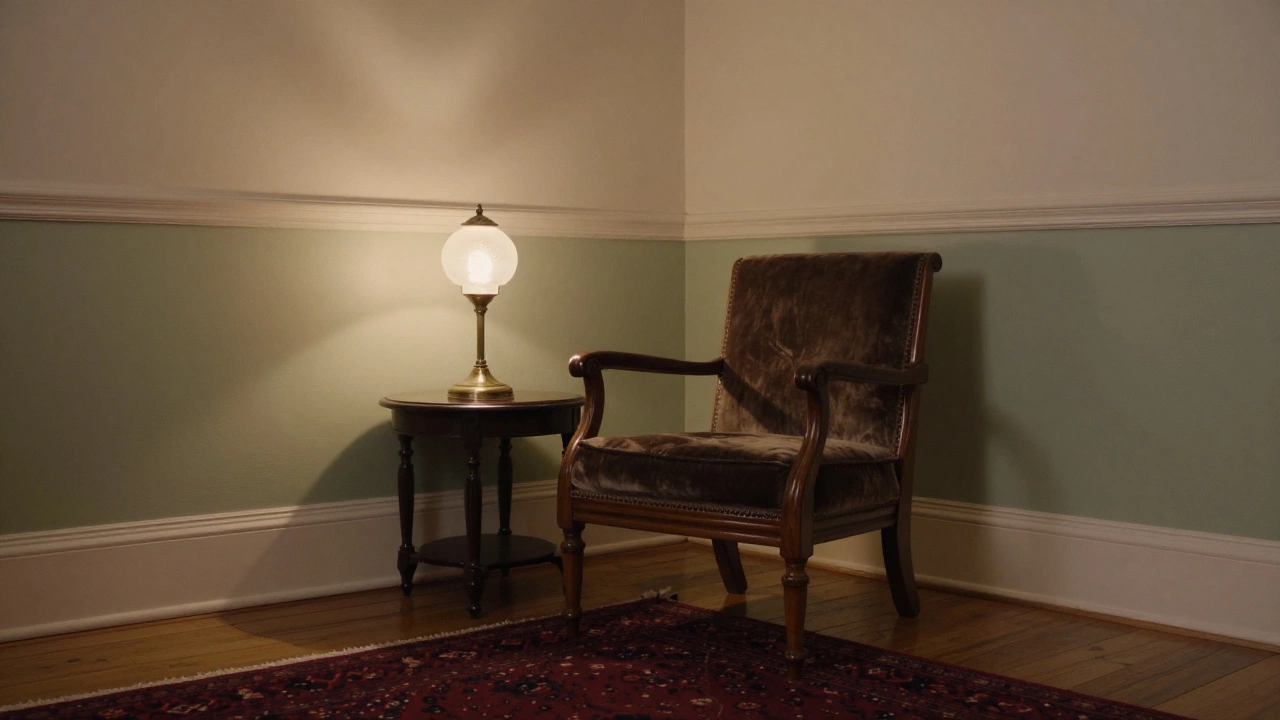
Consider your wall color. Avoid pure, bright whites. Instead, opt for "dirty" neutrals. Think cream, oatmeal, soft sage green, or muted terracotta. These colors mimic the way paint fades over decades under natural light. If you want to go bolder, consider wallpaper. Not the cheap vinyl rolls from big-box stores, but traditional patterns like damask, toile, or subtle stripes. Wallpaper adds immediate period authenticity.
For flooring, if you have hardwood, stop polishing it to a high shine. A matte or satin finish looks more authentic because real wood ages and dulls over time. If you have carpet, vintage rooms rarely had wall-to-wall beige carpeting. They had area rugs layered over hard surfaces. If you must keep carpet, choose a deep pile wool in a rich jewel tone like burgundy or navy to anchor the space.
| Element | Vintage Approach | Modern Approach (Avoid) |
|---|---|---|
| Walls | Cream, Sage, Muted Reds, Damask Wallpaper | Bright White, Grey, Smooth Paint Only |
| Floors | Matte Hardwood, Persian Rugs, Linoleum Tiles | Glossy Laminate, Wall-to-Wall Carpet |
| Molding | Crown Molding, Chair Rails, Wainscoting | No Trim, Flat Drywall |
Furniture: Heavy, Solid, and Imperfect
The heart of an old-fashioned room is its furniture. Today’s IKEA-style pieces are lightweight, modular, and often made of particle board. Vintage furniture was built to last centuries. It is heavy, solid, and often shows signs of wear.
Look for pieces with turned legs, carved details, or upholstered frames. A wingback chair, a Chesterfield sofa, or a wooden sleigh bed instantly signals a pre-1980s aesthetic. Don’t be afraid of mismatched sets. In the past, families added furniture as they could afford it or inherited it. This eclectic mix creates a natural, unforced look.
If buying new, look for "reproduction" styles. Many brands now sell furniture designed to look aged, with distressed finishes and classic silhouettes. However, nothing beats the real thing. Visit estate sales, flea markets, or online marketplaces like eBay and Facebook Marketplace. Look for:
- Solid Wood Tables: Oak, mahogany, or walnut tables with visible grain and perhaps some scratches.
- Upholstered Armchairs: Velvet or brocade fabrics that have softened with age.
- Antique Mirrors: Frames with ornate detailing or tarnished silver backing.
A pro tip: If you find a piece you love but the fabric is dated (think 1970s orange shag), reupholster it in a timeless linen or cotton. This gives you the structure of vintage furniture with a cleaner, more contemporary palette.
Lighting: Warmth Over Brightness
Modern lighting is often cool, bright, and functional. Old-fashioned lighting is warm, dimmable, and decorative. The light source itself should be part of the decor.
Ditch the recessed can lights if you can. Instead, use table lamps, floor lamps, and sconces. Look for fixtures with brass, bronze, or dark iron finishes. Glass shades, particularly those with etching or stained glass, diffuse light beautifully and reduce harsh shadows.
Color temperature matters immensely. Ensure all your bulbs are "soft white" or "warm white" (2700K or lower). Cool white LEDs will make any vintage room look sterile and clinical. Dimmers are essential. An old-fashioned room is rarely at full brightness; it glows.
Consider candlelight. Even electric candles in candelabras add flickering movement that mimics historical lighting conditions. Place lamps at varying heights-some on low side tables, others on tall pedestals-to create layers of light.
Textiles and Layers
Texture is what makes a vintage room feel cozy rather than dusty. You need layers. Start with a large area rug, then layer smaller rugs on top if desired. Add throw pillows in different fabrics: velvet, silk, wool, and lace.
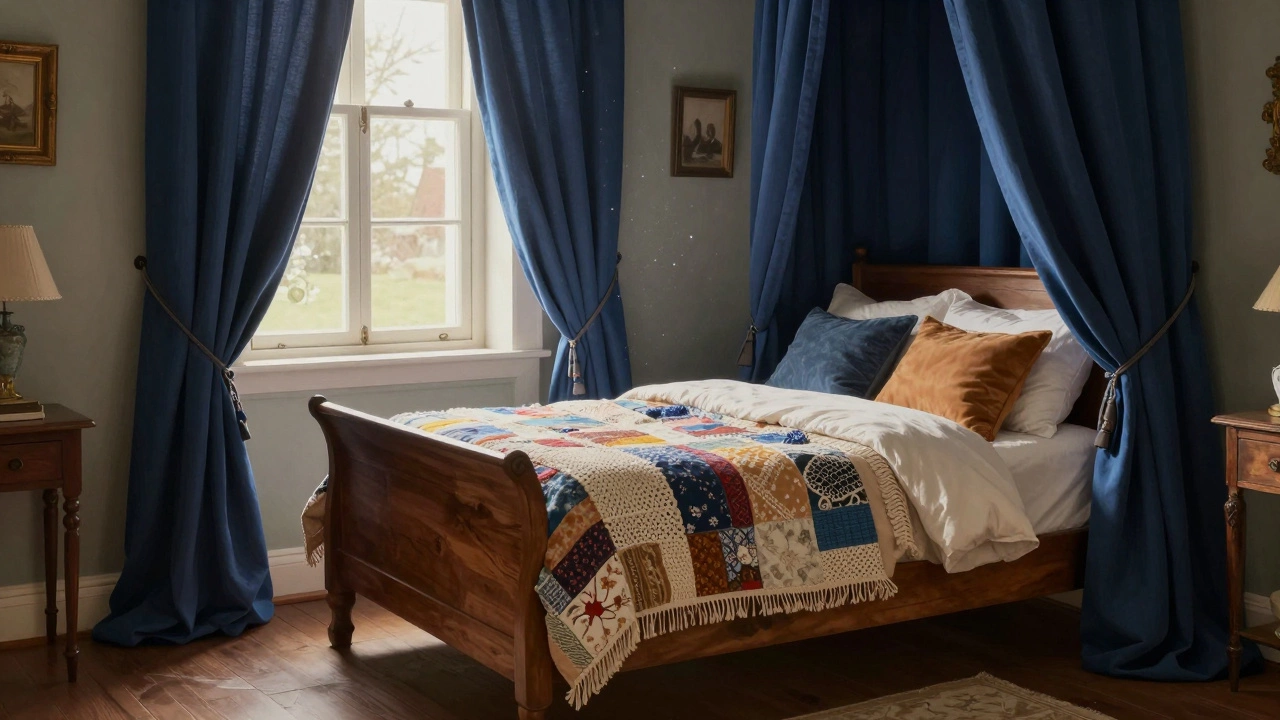
Curtains should reach the floor and pool slightly. Use tie-backs to hold them open, revealing the window treatment underneath. Valances or pelmets add a formal, traditional touch. Choose fabrics with weight-heavy drapes block light and sound, adding to the sense of enclosure and comfort.
Incorporate quilts, crocheted blankets, or knitted throws. These handmade elements suggest domesticity and care. They also add visual interest without requiring expensive art purchases.
Decor: Curated Clutter
Minimalism is the enemy of the old-fashioned look. Vintage rooms are filled with objects. But there is a difference between clutter and curated collection. Every item should tell a story or serve a purpose.
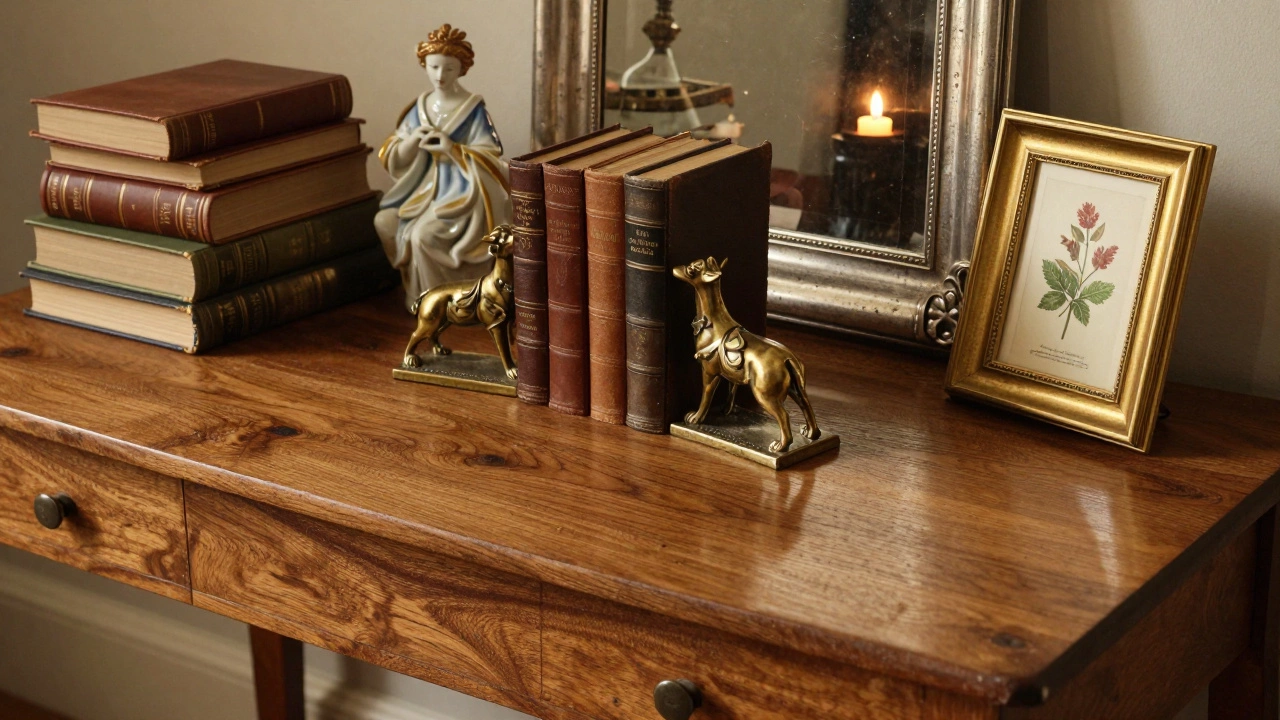
Start with books. Real books, stacked horizontally and vertically on shelves and coffee tables. Leather-bound classics or well-worn paperbacks add color and intellectual charm. Pair them with bookends that are themselves decorative objects-bronze animals, marble blocks, or wrought iron designs.
Add framed artwork. Oil paintings, watercolors, or even black-and-white photographs in ornate frames. Group them in a gallery wall, mixing sizes and frame styles. Leave some negative space so the eye can rest.
Display collectibles. This could be anything from porcelain figurines to vintage cameras, botanical prints, or antique keys. Use display cases, mantels, or shelves to showcase these items. The key is variety in shape, size, and material.
Don’t forget mirrors. Large mirrors reflect light and make small rooms feel bigger. Ornate mirror frames add architectural detail where none exists.
Scent and Atmosphere
Sight isn’t the only sense involved in creating an old-fashioned atmosphere. Smell plays a huge role. Modern homes often smell like cleaning products or nothing at all. Vintage homes have distinct scents.
Use beeswax candles, which burn cleanly and smell naturally sweet. Essential oil diffusers with scents like lavender, rose, sandalwood, or leather can evoke a sense of tradition. Avoid synthetic fragrances that smell like plastic.
Music also contributes. Play jazz, classical, or folk music softly in the background. The right soundtrack enhances the visual narrative of your space.
Common Mistakes to Avoid
Creating an old-fashioned look is easy to mess up if you’re not careful. Here are the most common pitfalls:
- Too Perfect: If everything matches and looks brand new, it won’t feel vintage. Embrace imperfections.
- Too Dark: While dark woods and rich colors are great, too much can make the room feel cave-like. Balance dark furniture with lighter walls and textiles.
- Ignoring Functionality: Just because something is old doesn’t mean it’s comfortable. Ensure your seating is supportive and your lighting is adequate for reading.
- Mixing Eras Randomly: While eclecticism is good, try to stick to one or two complementary periods. Mixing Victorian with Art Deco can work, but mixing Victorian with Mid-Century Modern might clash unless done very deliberately.
Where to Source Vintage Items
Finding the right pieces takes patience. Here are the best places to look:
- Estate Sales: Often the best source for authentic, undervalued items. Go early for the best picks.
- Flea Markets: Great for smaller decor items, textiles, and curiosities.
- Online Marketplaces: eBay, Etsy, and Facebook Marketplace offer wide selections. Filter by location to avoid high shipping costs for heavy furniture.
- Thrift Stores: Good for hidden gems, but require more digging.
- Antique Shops: Higher prices, but curated selections and expert advice.
Remember, the goal is not to recreate a museum exhibit, but to create a home that feels timeless. By focusing on quality materials, warm lighting, and personal collections, you can transform any room into a sanctuary of old-fashioned charm.
What color schemes work best for an old-fashioned room?
Rich, muted tones work best. Think deep greens, burgundies, navy blues, and warm creams. Avoid bright, primary colors unless you are going for a specific mid-century modern pop-art look. Earth tones and jewel tones create a sense of depth and history.
Can I mix modern technology with vintage decor?
Yes, but hide it. Smart speakers, tablets, and charging stations should be tucked away in drawers or behind decorative screens. The goal is to maintain the visual aesthetic of the past while enjoying the conveniences of the present. Choose tech devices in neutral colors that blend with your decor.
How do I make my room look old fashioned on a budget?
Focus on DIY projects and second-hand finds. Paint old furniture instead of buying new. Thrift store lamps can be updated with new shades. Use family heirlooms and photos for decor. Changing wall color and adding layers of textiles are inexpensive ways to dramatically change the vibe.
Is it better to buy vintage or reproduction furniture?
It depends on your budget and needs. Vintage furniture offers authenticity and unique character but may require repairs. Reproduction furniture is often more durable, consistent in style, and easier to maintain. A mix of both can create a balanced, interesting look.
What type of lighting is essential for a vintage look?
Warm, ambient lighting is key. Use table lamps, floor lamps, and wall sconces with warm white bulbs (2700K or lower). Avoid overhead fluorescent lights. Dimmers allow you to control the mood, making the room feel cozier and more intimate.