Timeless vs. Trendy Interior Evaluator
Select the option that best describes your current home or planned renovation. This tool helps you assess whether your choices will age gracefully or feel dated in a few years.
Your Timelessness Score
0/15You walk into a friend’s house and think, "Wow, this place looks like it could have been built yesterday or ten years ago." That feeling? That is the magic of timeless home interiors. It isn't about having an infinite budget; it's about making choices that don't scream for attention but rather whisper comfort and stability. In a world where trends change faster than your phone updates, creating a space that feels permanent is actually a smart financial move. You avoid the expensive cycle of redecorating every three years just because beige went out of style.
Why Chasing Trends Is a Trap
Think about the last time you saw a living room with bold, geometric wallpaper from 2015. Does it feel fresh? Probably not. It feels dated. The problem with trendy designs is that they rely on novelty. Once the novelty wears off, the design looks tired. Timelessness relies on familiarity and balance. When you choose elements that have stood the test of decades-or centuries-you are banking on human psychology. We naturally gravitate toward symmetry, natural light, and organic textures because these things make us feel safe and grounded. If you want your home to look good in 2036, stop looking at Pinterest boards titled "Trending Now" and start looking at architecture books from the mid-20th century.
The Foundation: Neutral Palettes and Natural Light
Color is the loudest voice in a room. If you paint your walls electric blue today, you will likely be repainting them in five years when the mood shifts. A timeless palette is quiet. It lets other elements shine. Stick to whites, creams, soft grays, and warm taupes. These colors act as a canvas. They reflect natural light, which makes spaces feel larger and airier. This doesn't mean your home has to be boring. You can add depth through texture-think linen curtains, wool rugs, or leather upholstery-rather than loud pigments. If you crave color, use it in accessories like throw pillows or art, which are cheap and easy to swap out. Paint is hard to change; a cushion cover takes two minutes.
Quality Materials Over Quantity
Here is a rule of thumb: buy less, but buy better. Cheap furniture often uses particleboard covered in vinyl laminate. It looks fine in the showroom, but after two years of use, the edges peel, and the surface scratches. Timeless homes feature real materials. Solid wood, stone, brick, and metal age gracefully. A solid oak table might cost more upfront, but it will survive decades of family dinners. A marble countertop chips, yes, but those chips become part of its story. Plastic and synthetic fabrics tend to degrade visibly. When you touch a material and it feels cold, heavy, and substantial, it is likely to endure. Prioritize durability in high-traffic areas like hallways and kitchens. For lower-traffic zones like bedrooms, you can experiment slightly more, but keep the core structure solid.
Furniture: Classic Silhouettes Matter
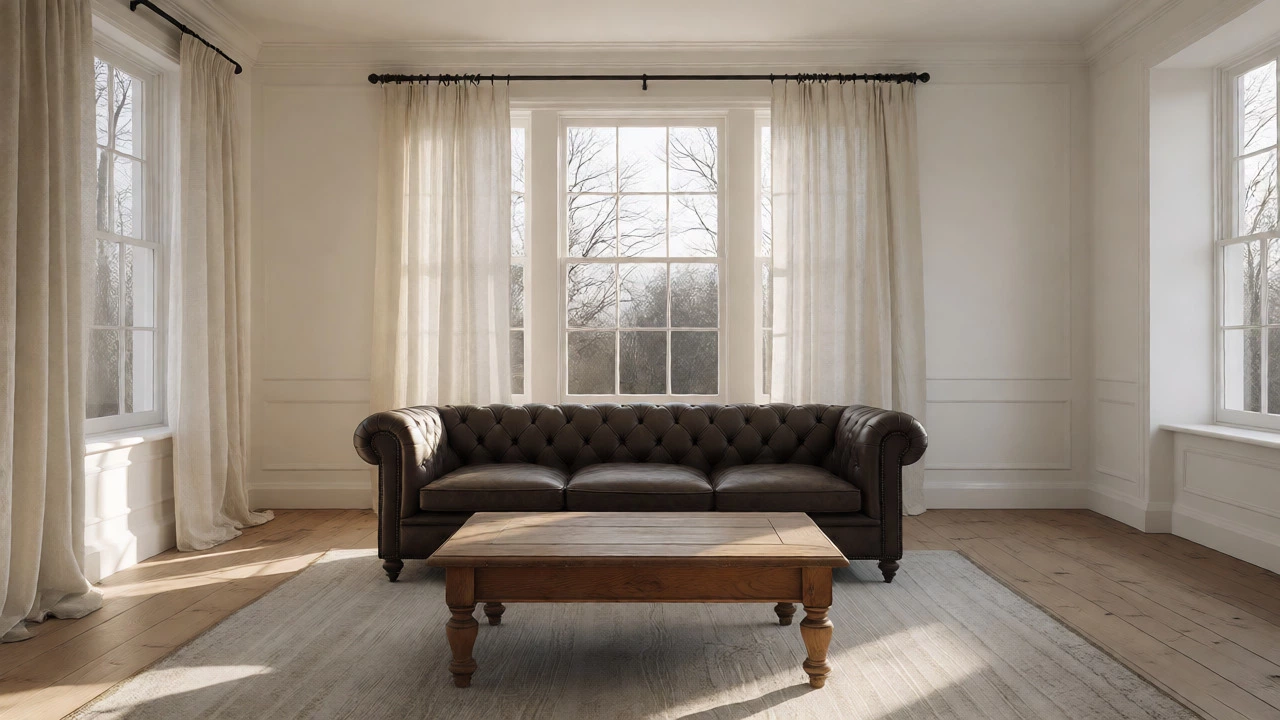
Not all furniture ages well. Ultra-modern pieces with sharp angles and unusual shapes often look bizarre once the specific trend passes. Instead, look for classic silhouettes. A Chesterfield sofa, a Shaker-style chair, or a simple rectangular dining table have been around for hundreds of years because their proportions work. They fit in almost any setting. When buying new, ask yourself: "Would this piece look out of place in a Victorian townhouse or a modern loft?" If the answer is no, it is a safe bet. Mix vintage finds with new pieces. A second-hand wooden sideboard adds character that mass-produced items lack. It creates a sense of history, suggesting your home has been lived in and loved, not just staged.
| Element | Trendy Choice (Risky) | Timeless Choice (Safe) | Why It Lasts |
|---|---|---|---|
| Wall Color | Terracotta or Sage Green | Warm White or Greige | Neutral tones complement all furniture styles. |
| Flooring | Vinyl Plank with Wood Grain | Solid Hardwood or Stone Tile | Natural materials can be refinished or repaired. |
| Kitchen Cabinets | High-Gloss Navy Blue | Shaker Style in White or Oak | Simple lines remain relevant across eras. |
| Lighting | Geometric Brass Fixtures | Ceramic or Glass Pendant Lights | Organic shapes soften harsh shadows. |
| Window Treatments | Heavy Velvet Drapes | Linen Sheers or Roman Blinds | Lightweight fabrics allow natural light control. |
Kitchens and Bathrooms: The Expensive Rooms
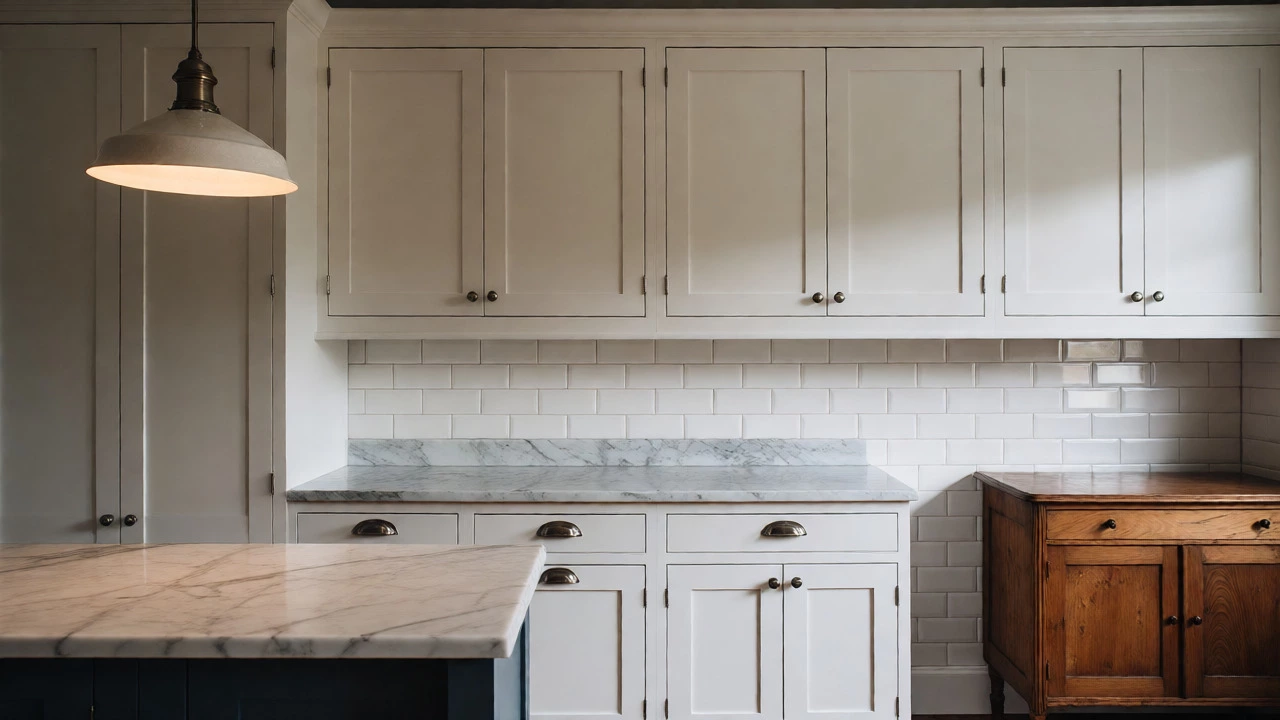
If there is one place to cut corners on trends, do not let it be your kitchen or bathroom. Renovating these rooms costs thousands. A kitchen with white shaker cabinets and subway tiles is as popular now as it was twenty years ago. Why? Because it is clean, bright, and functional. Avoid dark, moody cabinetry unless you truly love it regardless of resale value. Keep hardware simple. Brushed nickel or matte black handles are standard. For bathrooms, stick to large-format tiles in neutral shades. Small mosaic patterns can date quickly. Invest in a good shower enclosure and a durable vanity. The goal is to create a spa-like neutrality that allows you to change towels and mats to update the vibe without ripping out plumbing.
Lighting Layers and Architectural Details
Bad lighting ruins even the most beautiful room. Timeless homes use layered lighting. You need ambient light (overhead), task light (reading lamps), and accent light (picture lights). Avoid recessed lighting if possible, or at least don't fill the entire ceiling with it. Recessed lights can make a home feel sterile and commercial. Instead, use table lamps and floor lamps to create pools of warmth. Architectural details also anchor a home. Crown molding, baseboards, and door frames add shadow and depth. If your home lacks these, adding simple trim is one of the highest ROI projects you can do. It signals craftsmanship and care. Even in a modern apartment, adding a simple cornice or picture rail can elevate the space from "rental" to "residence."
Curate, Don't Collect
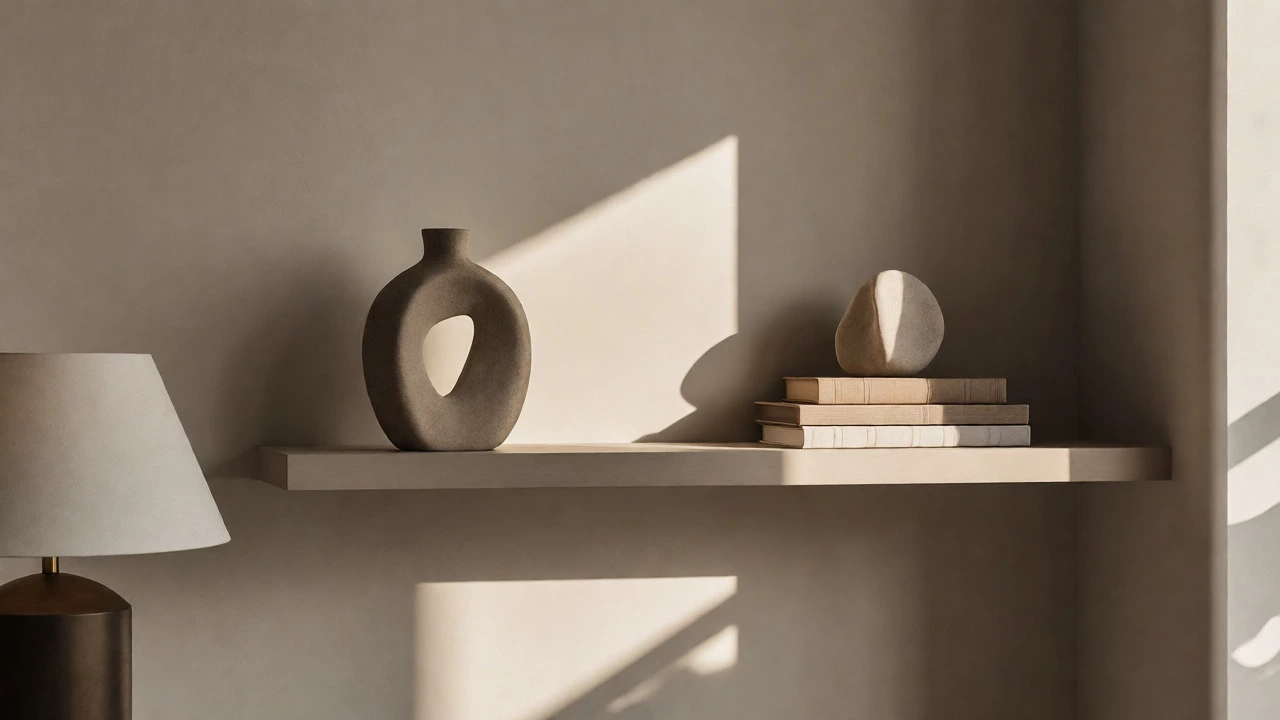
A common mistake is filling every shelf with knick-knacks. Clutter looks chaotic, not cozy. Timeless styling is about curation. Display a few meaningful objects-a vase from a trip, a stack of old books, a single sculpture-and give them space to breathe. Negative space is luxurious. It allows the eye to rest. Rotate your decor seasonally if you get bored, but keep the base layer consistent. Art should be personal. Abstract prints bought in bulk from big-box stores often end up in thrift shops within a year. Choose art that speaks to you, framed simply. Black or wood frames are versatile. Avoid ornate gold frames unless you are going for a very specific classical look, as they can clash with modern furniture.
Maintenance and Longevity
Timelessness requires maintenance. A white sofa gets dirty. A wooden floor gets scratched. Embrace the wear. Patina is attractive. Leather sofas look better after five years of use. Unfinished wood floors gain character. Do not fear imperfections; they prove the home is lived in. However, protect your investments. Use rugs in high-traffic areas to prevent wear. Clean spills immediately. Dust regularly so surfaces don't build up grime. A well-maintained neutral home always looks fresh. If something breaks, repair it rather than replacing it with a cheaper alternative. Repairing shows respect for the object and the space.
Is gray still considered a timeless color?
Gray is tricky. Cool, flat grays can feel sterile and dated. However, warm grays (often called greige) that mix brown undertones are considered timeless. They provide a sophisticated backdrop that works with both cool and warm accents. Always test paint samples in your specific lighting conditions before committing.
Can I mix modern and traditional furniture?
Absolutely. Mixing eras is a hallmark of sophisticated design. Pair a sleek modern sofa with a vintage wooden coffee table, or hang contemporary art above an antique mantel. The key is balance. Ensure the pieces share a common element, such as similar wood tones or metal finishes, to tie them together visually.
What is the biggest mistake people make with open shelving?
Over-cluttering. Open shelves require constant tidying. If you leave dishes out or stack books haphazardly, the kitchen looks messy instantly. To keep it timeless, limit what you display to matching ceramicware or neatly arranged cookbooks. Leave empty space between items to let each piece stand out.
Are white kitchens really timeless?
Yes, white kitchens have dominated design for over a century. They maximize light and make small spaces feel larger. To ensure longevity, choose a classic cabinet profile like Shaker or flat-panel. Avoid overly ornate details or trendy two-tone combinations unless you are committed to keeping them long-term.
How do I add personality without ruining the timeless look?
Use textiles and art. Swap out rug patterns, throw pillows, and window treatments to inject color or pattern. These items are inexpensive and easy to change. Keep your large furniture and fixed architectural elements neutral. This allows you to express current tastes without altering the permanent structure of the home.