Window Treatment Selector
Answer three quick questions to find the best non-curtain window solution for your space.
There is something undeniably freeing about looking out a window and seeing nothing but glass. No heavy drapes pooling on the floor, no dusty valances gathering lint, just clean lines and natural light. Yet, for many homeowners, removing curtains feels like walking naked into public view. The fear of being watched by neighbors or losing privacy often keeps us tethered to traditional soft furnishings. But what if you could have your cake and eat it too? You can achieve privacy, style, and light control without hanging a single piece of fabric.
Making a window look nice without curtains is not just about subtraction; it is about adding intentional design elements that enhance the architecture of your home. Whether you are aiming for a sleek, modern aesthetic or a cozy, textured vibe, there are numerous hard treatments and decorative strategies that replace the function of curtains while elevating the visual appeal of your space. Let’s explore how to transform those bare windows into design statements.
The Power of Architectural Shutters
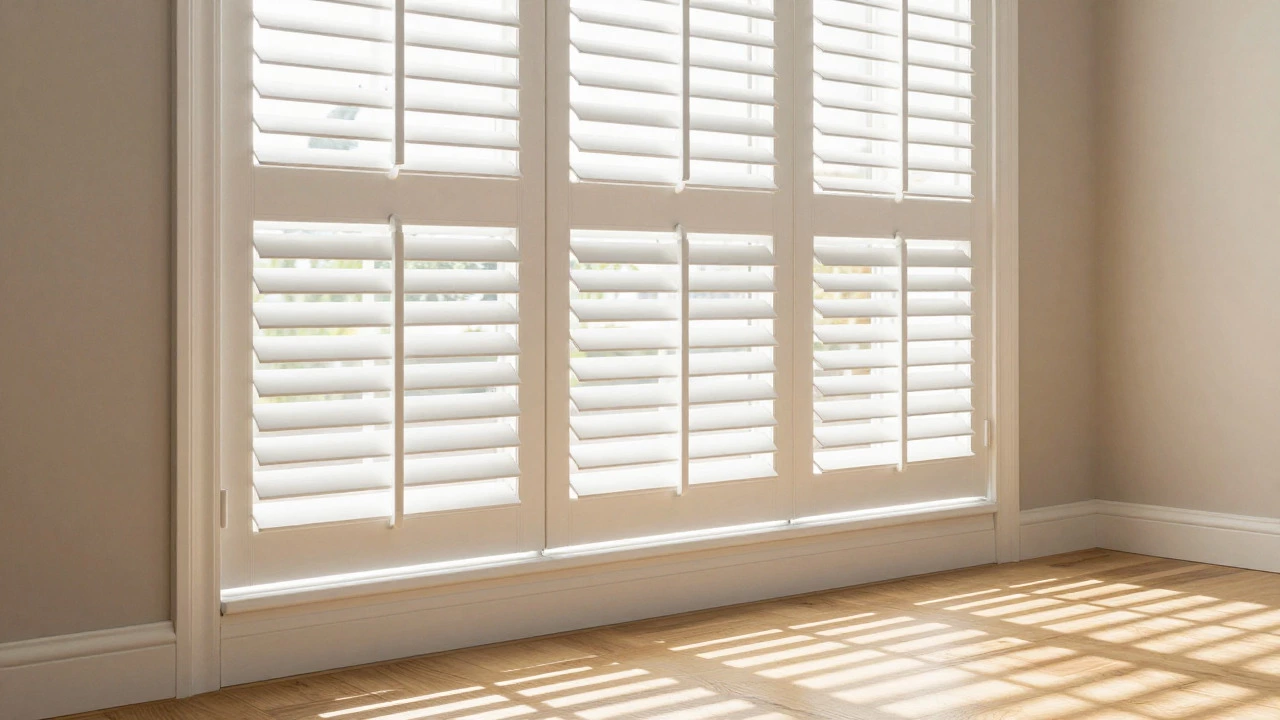
If you want a permanent solution that adds value to your home, custom-fitted interior shutters are the gold standard. They frame the window beautifully, turning the opening into an architectural feature rather than just a hole in the wall. Wood shutters, particularly those made from basswood or pine with a white paint finish, bring warmth and texture that plastic blinds simply cannot match.
The beauty of shutters lies in their versatility. You can tilt the louvers to filter light softly during the day, creating a dappled effect on your floors, or close them completely for total privacy at night. For a more contemporary look, consider full-height panels that swing open like doors. This works exceptionally well in living rooms where you want unobstructed views when entertaining but need privacy after dark. The key is precision fitting; ill-fitting shutters look cheap, so measure twice and invest in professional installation if possible.
Modern Blinds: Beyond the Office Aesthetic
We all remember the beige horizontal blinds from our childhood homes. Those days are over. Today’s modern blinds include sophisticated options like honeycomb shades, roller shades, and woven wood shades that blend functionality with high-end design. The technology behind these products has advanced significantly, offering better insulation and smoother operation.
- Honeycomb Shades (Cellular Shades): These feature a hexagonal cell structure that traps air, providing excellent thermal insulation. They look soft and layered despite being rigid, making them a perfect curtain alternative for bedrooms and north-facing rooms where heat loss is a concern.
- Roller Shades: Sleek and minimal, these come in a vast array of fabrics, from sheer linen-look textures to blackout materials. They disappear almost entirely when raised, leaving only a slim cassette at the top of the window frame. This is ideal for small spaces where you don’t want bulk.
- Woven Wood Shades: Made from natural fibers like bamboo, reed, or grass, these add organic texture to any room. They filter light gently, casting beautiful shadows that change throughout the day. They pair wonderfully with industrial or bohemian interiors.
When selecting blinds, pay attention to the mounting style. Inside mount gives a clean, built-in look, while outside mount can make small windows appear larger. Avoid corded systems for safety and cleaner aesthetics; opt for cordless lifts or motorized options controlled by a remote or smart home app.
Sheer Roman Shades for Softness
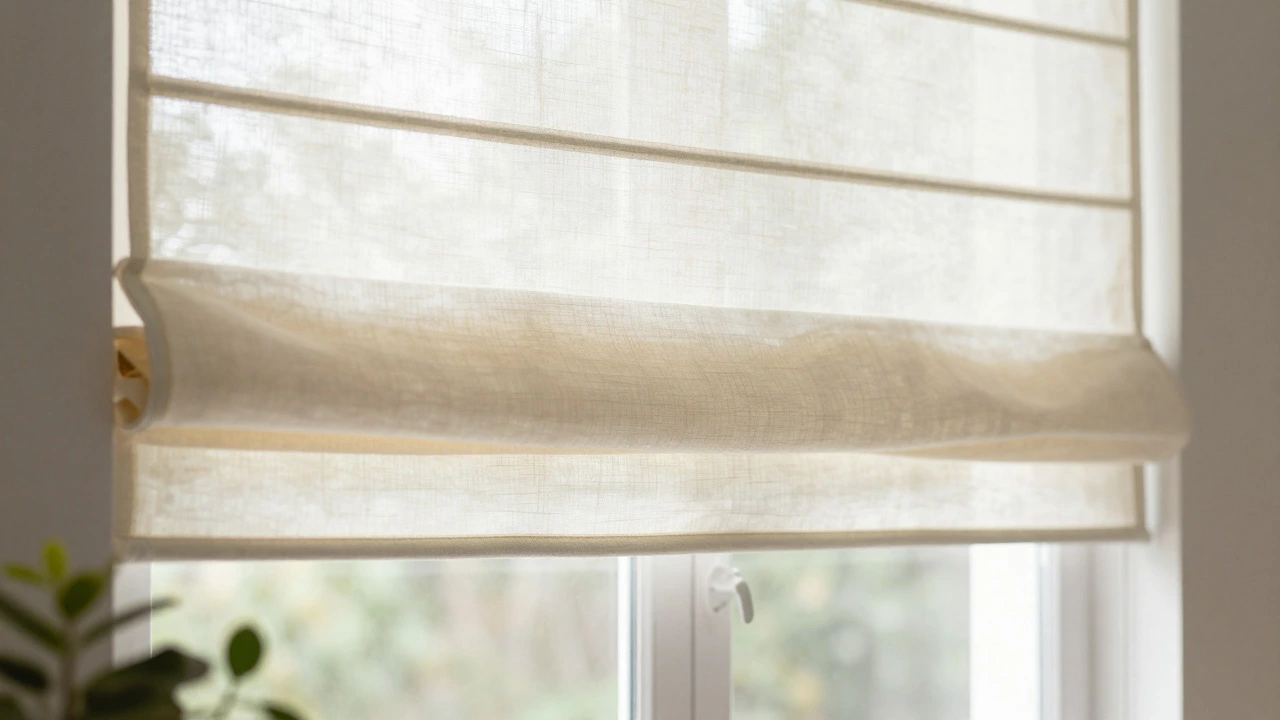
If you miss the softness of fabric but hate the maintenance of curtains, Roman shades are the bridge between the two worlds. When lowered, they create horizontal folds of fabric that mimic the pleats of formal drapery. When raised, they stack neatly at the top of the window, exposing the glass fully.
For a truly airy feel, choose sheer or semi-sheer fabrics. Materials like linen, cotton blends, or even translucent synthetics allow daylight to flood the room while obscuring the details of what’s inside. From the street, people see a blur of color and shape, not your furniture or activities. This is perfect for ground-floor apartments or houses with close-set neighbors.
You can also layer Roman shades. Use a sheer shade for daytime privacy and a heavier blackout liner that rolls up separately for nighttime. This dual-system approach gives you the flexibility of curtains without the hardware clutter. Just ensure the fabric pattern or texture complements your wall color; large prints can overwhelm a small window, while subtle textures add depth without distraction.
Decorative Window Films and Glass Etching
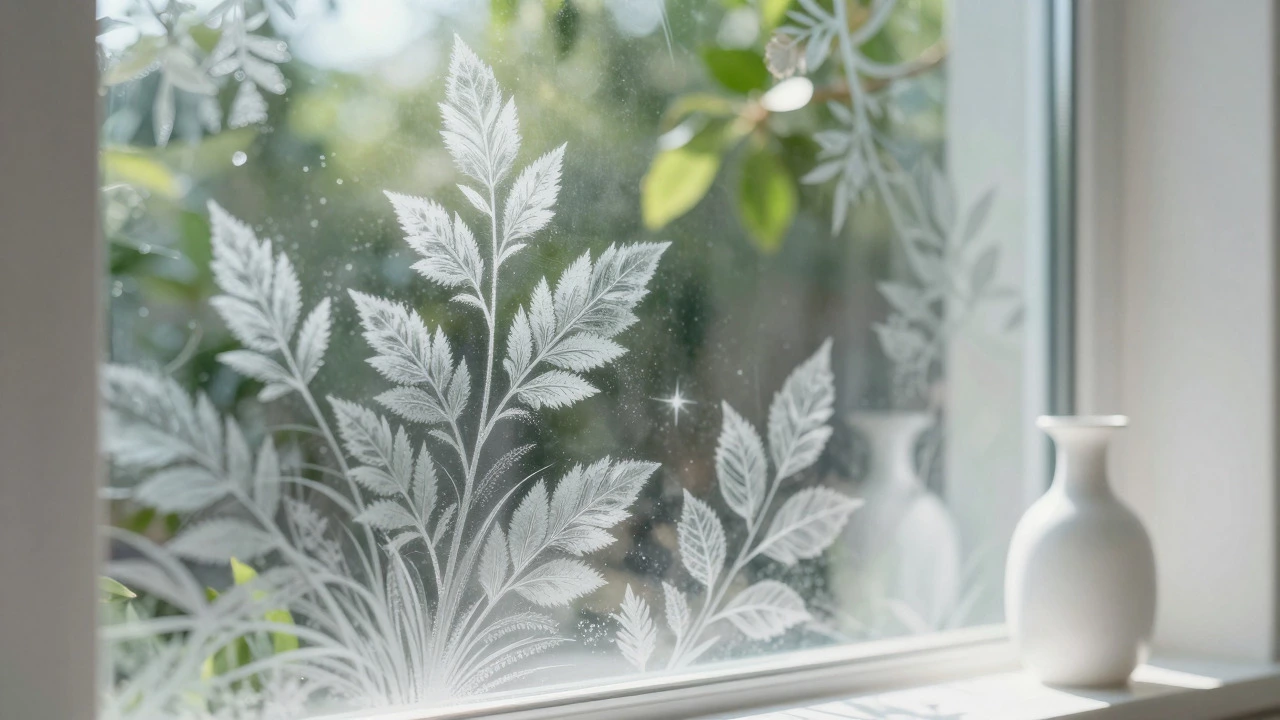
Sometimes, the best way to dress a window is to dress the glass itself. Window films are adhesive vinyl sheets applied directly to the glass surface to provide privacy, UV protection, and decorative patterns. This is one of the most cost-effective and reversible solutions available.
Frosted film creates a classic bathroom-like privacy effect but comes in artistic designs now-think botanical leaves, geometric grids, or abstract watercolors. It diffuses light beautifully, eliminating harsh glare while keeping the room bright. For a more permanent and luxurious touch, consider acid-etched glass or sandblasted designs. These are usually done during renovation but can be added to existing windows by specialists.
Another option is decorative static-cling decals. These use electrostatic charge rather than adhesive, meaning you can remove and reposition them without residue. This is great for renters who want to personalize their space without violating lease agreements. Look for designs that complement your interior theme; a minimalist black-and-white line art decal might suit a modern kitchen, while a floral pattern could soften a traditional dining room.
Embrace the View: Minimalist Hardware and Clean Lines
In some cases, the best decoration is no decoration at all-but only if the hardware is impeccable. If you decide to go completely bare, focus on the window trim and sills. Paint the window casing in a contrasting color to make it pop against the wall. For example, a crisp white trim against a navy blue wall draws the eye to the architecture itself.
Clean the glass meticulously. Smudges and streaks are glaringly obvious when there is no fabric to hide them. Use a professional-grade glass cleaner and a squeegee for a spotless finish. Consider installing invisible screen systems if you have bugs, as they retract into the frame when not in use, preserving the clean look.
Also, think about the exterior. Landscaping can act as a natural curtain. Planting tall shrubs, climbing vines, or strategically placed trees near the window provides privacy from the outside while framing the view from the inside. This blurs the line between indoor and outdoor spaces, creating a seamless flow that feels expansive and connected to nature.
Comparing Window Treatment Options
| Treatment Type | Privacy Level | Light Control | Aesthetic Style | Best For |
|---|---|---|---|---|
| Architectural Shutters | High | Precise | Classic, Elegant | Living Rooms, High-Traffic Areas |
| Honeycomb Shades | Medium to High | Good Insulation | Soft, Modern | Bedrooms, North-Facing Windows |
| Roller Shades | Variable | Full Blackout to Sheer | Minimalist, Contemporary | Kitchens, Small Spaces |
| Window Film | Medium | Diffused Light | Artistic, Functional | Bathrooms, Ground Floor |
| Roman Shades | Medium | Soft Filtering | Traditional, Textured | Dining Rooms, Formal Living Areas |
Pro Tips for Installation and Maintenance
Regardless of which alternative you choose, proper installation is crucial. Measure the width and height of the window recess accurately. For inside mounts, subtract a tiny fraction (usually 1/8 inch) to ensure the treatment fits snugly without rubbing against the frame. For outside mounts, extend the brackets beyond the window frame to maximize coverage and prevent light leakage around the edges.
Maintenance varies by material. Hardwood shutters require dusting with a microfiber cloth; avoid wet cleaners that can warp the wood. Fabric-based shades like Roman or cellular shades can often be vacuumed with a brush attachment or spot-cleaned with mild detergent. Window films are easy to wipe down with glass cleaner, but avoid abrasive scrubbers that could scratch the surface.
Consider automation early in the process. Motorized blinds and shades integrate seamlessly with smart home systems like Amazon Alexa or Google Home. You can set schedules to raise them automatically at sunrise for natural wake-up calls or lower them at sunset for privacy. This adds convenience and enhances the modern appeal of your window treatments.
Final Thoughts on Bare Windows
Removing curtains does not mean sacrificing style or comfort. In fact, it opens up a world of design possibilities that are cleaner, easier to maintain, and often more energy-efficient. By choosing the right combination of hard treatments, decorative films, and architectural enhancements, you can create windows that are both functional and visually striking. Remember, the goal is to enhance the natural light and views your home offers, not to block them out. Embrace the clarity and simplicity of a well-dressed, curtain-free window.
Are shutters more expensive than curtains?
Yes, custom wooden shutters are typically more expensive upfront than ready-made curtains. However, they last much longer and increase home resale value, making them a worthwhile investment for primary living areas.
Do window films reduce sunlight too much?
Not necessarily. Frosted or patterned films diffuse light rather than blocking it. You still get brightness, but glare is reduced. For darker rooms, choose lighter-colored films or leave the center of the window clear.
Can I install blinds myself?
Most roller and vertical blinds come with DIY instructions and basic tools. However, for heavy wooden shutters or complex Roman shades, professional installation ensures proper alignment and smooth operation.
Which option is best for pet owners?
Hardwood shutters or metal blinds are best because they are durable and easy to clean. Fabric curtains attract pet hair and can be easily torn. Cordless mechanisms are also safer for curious pets.
Will bare windows make my house feel cold?
It depends on the insulation. Honeycomb shades provide excellent thermal retention. If you go completely bare, ensure your windows are double-glazed. Adding rugs and textiles elsewhere in the room can balance the perceived temperature.