Bathroom Makeover Budget Calculator
Budget Planner
Your Results
Old bathrooms don’t have to feel like relics from the 90s. You don’t need a full gut job to turn a dull, dated space into something fresh and lively. With the right tweaks-most under £200-you can give your bathroom real personality without hiring contractors or tearing out tiles. The secret? Focus on the details that catch the eye and change how the room feels.
Swap out the hardware
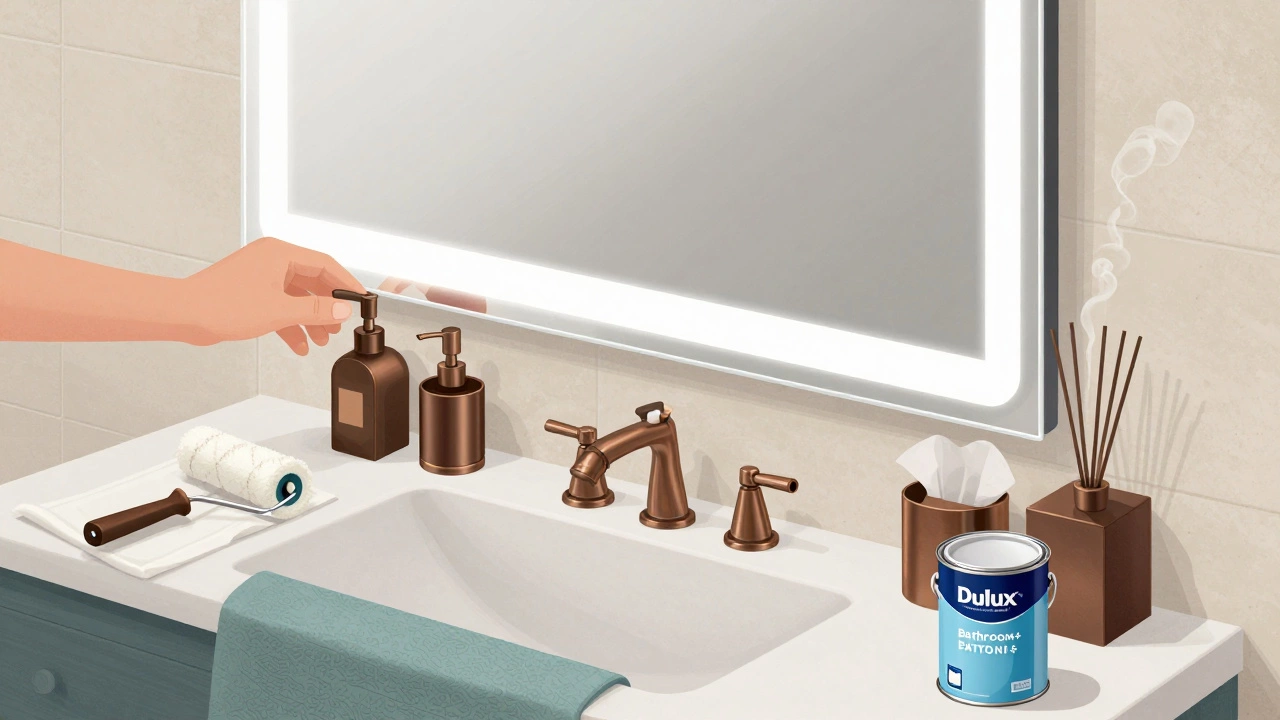
Those cheap, plastic faucet handles and drawer pulls? They’re dragging your bathroom down. Replacing them is one of the fastest, cheapest upgrades you can make. Go for brushed brass, matte black, or oil-rubbed bronze. These finishes look expensive, even when they’re not. A new set of cabinet pulls costs around £15, and a modern faucet can be found for under £80 at stores like B&Q or Homebase. Make sure the new hardware matches your existing sink and tub-no point in mixing chrome with brass unless you’re going for intentional contrast.
Don’t forget the towel bars and toilet paper holders. Match them to your new faucet. It’s a small thing, but it ties the whole room together. I’ve seen bathrooms where the sink looked brand new, but the towel rack was still chrome from 1998. It ruined the vibe. Consistency matters.
Update the lighting
Most old bathrooms have one thing in common: terrible lighting. That single, dim bulb above the mirror? It casts shadows on your face and makes you look tired before you’ve even had coffee. Replace it with a LED vanity light bar. They’re slim, bright, and come in warm white (2700K-3000K) for a cozy feel or daylight (4000K-5000K) if you like a crisp, clean look. Brands like Philips and LEDVANCE make easy-to-install models that fit standard junction boxes.
Want to go further? Add small recessed lights on either side of the mirror. They eliminate shadows under the eyes and chin-perfect for shaving or applying makeup. You can find battery-powered LED strip lights for under £25 that stick right onto the mirror frame. No wiring needed. Just peel, stick, and turn on.
Refresh the shower with new accessories
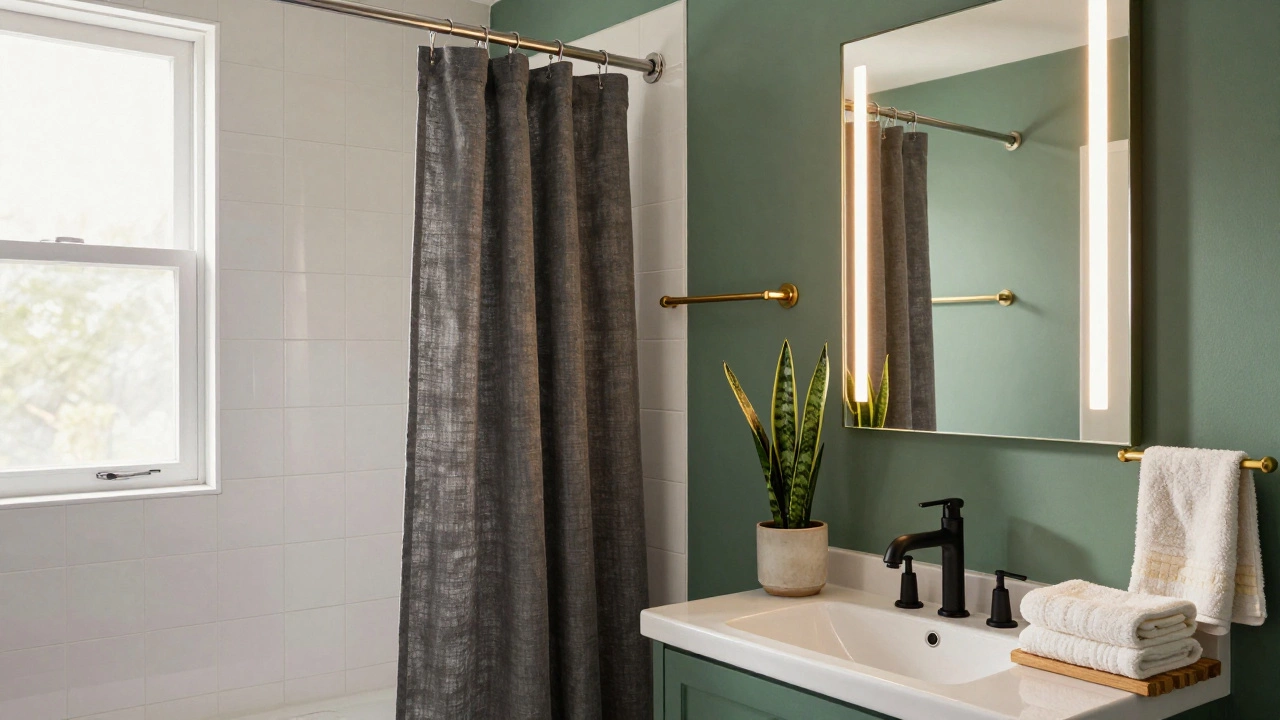
A plastic shower curtain with a faded floral print? Out. A sleek, waterproof linen curtain in charcoal or sage green? In. Pair it with a matching shower rod-preferably one that extends and holds its position without sagging. You can get a sturdy, adjustable stainless steel rod for £20.
While you’re at it, upgrade the shower accessories. A matching soap dispenser, toothbrush holder, and tissue box cover in the same finish as your faucet make the whole setup feel curated. You don’t need a full set-just three or four key pieces. Look for ceramic or matte metal instead of glossy plastic. The texture changes everything.
Paint the walls (yes, even in a bathroom)
People think bathrooms can’t be painted because of moisture. That’s outdated. Modern bathroom paints-like Dulux Bathroom+ or Benjamin Moore’s Moorstone-are designed to resist mold and mildew. They’re washable, breathable, and hold up in steamy conditions.
Go bold. Not necessarily neon, but something that breaks the white-tile monotony. Deep teal, warm grey, or even a soft sage adds depth and calm. Paint the wall behind the sink or the entire room if you’re feeling confident. One coat of paint can make your bathroom feel like a spa. Use a high-quality roller and a brush for edges. Let it dry for 48 hours before using the shower.
Add texture with rugs and towels
Hard tile floors feel cold and clinical. A small, absorbent rug right outside the tub or sink changes that instantly. Look for cotton or bamboo blends-they dry fast and don’t slip. A £15 rug can be the difference between a sterile room and a welcoming one.
Same goes for towels. Swap out the thin, scratchy ones for thick, plush cotton towels. Choose a colour that matches your new paint or hardware. Layer them neatly on a towel rack or fold them in a basket. It’s a small touch, but it screams “carefully designed.”
Introduce greenery
Bathrooms are actually great for plants-if you pick the right ones. Snake plants, pothos, and ZZ plants thrive in low light and high humidity. Place a small potted plant on the windowsill, a shelf, or even a corner near the sink. A single plant adds life, softens hard edges, and improves air quality.
Use a ceramic pot that matches your new hardware. Avoid plastic pots-they look cheap. If you’re worried about water damage, put the plant on a tray or saucer. Even a small, low-maintenance plant makes the space feel more alive.
Declutter and organize
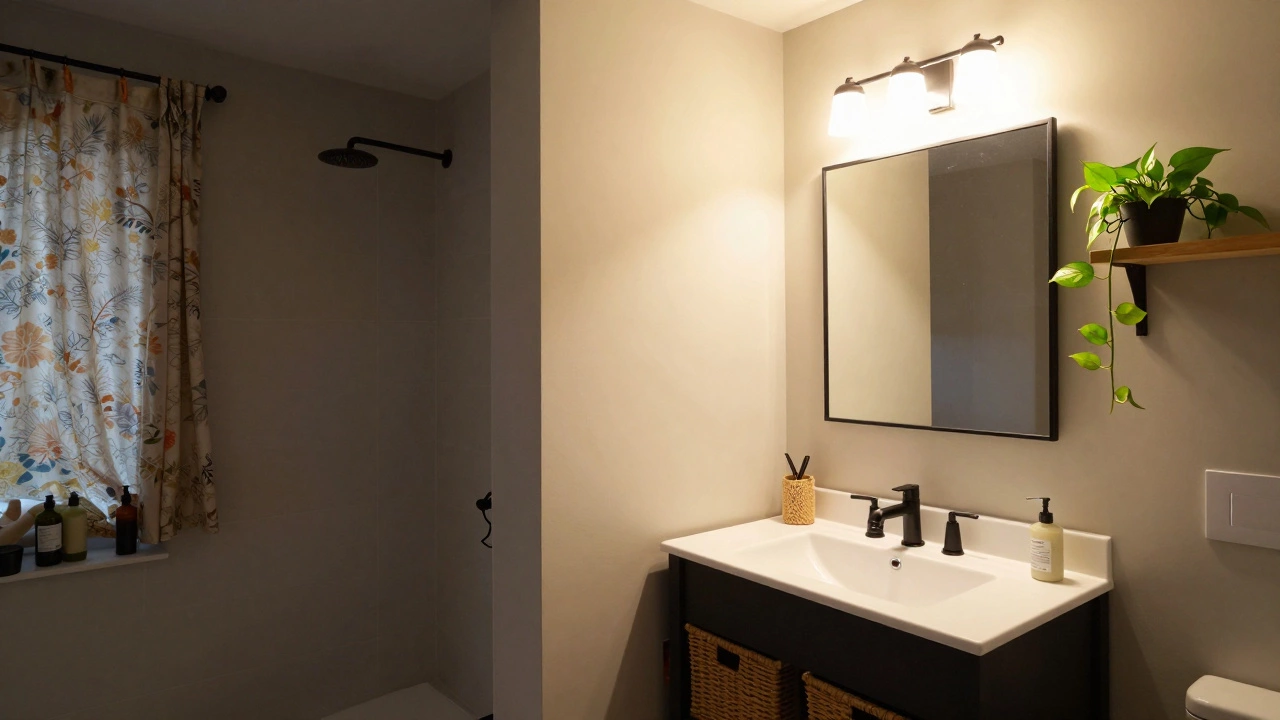
A cluttered bathroom feels smaller and messier. Clear off the counter. Put toothbrushes, creams, and hair tools in drawers or baskets. Use a wall-mounted shelf or floating cabinet to store extra toilet paper, towels, or cleaning supplies. You don’t need to buy anything fancy-woven baskets from IKEA or Amazon work great.
Keep only what you use daily on the counter. Everything else? Hide it. A clean surface makes the room feel bigger and more intentional. Think of it like a kitchen counter-you wouldn’t leave five random bottles out. Same rule applies here.
Install a new mirror
Your mirror is a big part of your bathroom’s identity. If it’s a tiny, round, framed thing from the 80s, it’s holding you back. Swap it for a larger, frameless mirror with clean lines. A 24x36 inch mirror costs under £60 and instantly makes the room feel more spacious.
Want to go pro? Add LED lighting around the mirror. There are self-adhesive strips that stick to the back edge and turn on with a motion sensor. They’re battery-powered and easy to install. The result? A spa-like glow that makes mornings feel luxurious.
Final touch: scent and sound
Smell and sound shape how we experience a space. A simple reed diffuser with a clean, fresh scent-like eucalyptus, lavender, or sandalwood-can transform your bathroom into a retreat. Avoid overpowering fragrances. Subtle is better.
For sound, a small Bluetooth speaker (water-resistant, of course) can play soft music or nature sounds while you shower. Look for ones with an IPX7 rating-they can handle splashes. Place it on a shelf, not the floor. It’s not about luxury. It’s about turning a chore into a moment.
What not to do
Don’t re-tile unless you have to. It’s messy, expensive, and often unnecessary. Most tiles from the 90s or early 2000s are still in good shape. Just clean them with a vinegar and baking soda paste, then seal the grout. Grout sealer costs £10 and lasts years.
Don’t buy “bathroom sets” from discount stores. They’re all plastic, same colour, same finish. They scream cheap. Pick individual pieces that match your style, even if it takes a few shopping trips.
Don’t rush. Give yourself a weekend. Do one thing at a time. Replace the faucet on Saturday morning. Paint on Sunday afternoon. Let each change settle before moving on. The room will come together naturally.
Real results, real budget
Here’s what a full refresh looks like in London prices:
- Faucet replacement: £75
- Shower curtain + rod: £30
- LED vanity light: £50
- Paint (one gallon): £25
- Shower accessories (soap dispenser, holder, etc.): £40
- Rug and towels: £35
- Mirror: £55
- Diffuser and speaker: £40
Total: under £350. That’s less than a new pair of shoes. And it’ll make your bathroom feel like a whole new room.
Why this works
You’re not changing the structure. You’re changing the experience. Every upgrade here targets how the space feels-not just how it looks. The right light makes you look better. The right scent makes you relax. The right texture makes you want to linger. That’s what makes a bathroom special. It’s not about marble countertops or heated floors. It’s about the little things that turn a functional room into a personal sanctuary.
Can I paint over bathroom tiles?
No, painting tiles isn’t recommended for floors or shower areas. The paint will chip or peel under constant moisture and scrubbing. Stick to painting walls only. For tiles, clean them thoroughly and reseal the grout instead.
What’s the easiest bathroom upgrade for beginners?
Replacing the shower curtain and towel bar. Both take less than 15 minutes, cost under £25 total, and instantly refresh the look. It’s the perfect starter project.
Do I need to turn off the water to change a faucet?
Yes. Always shut off the water supply under the sink before replacing a faucet. If there’s no shut-off valve, you’ll need to turn off the main water line. Drain the pipes by turning on the faucet after shutting off the water.
How do I choose the right mirror size?
Your mirror should be about 75% the width of your sink or vanity. For a standard 48-inch vanity, aim for a 36-inch mirror. Hang it so the bottom edge is 5-6 inches above the sink. This gives you enough space to see your whole face without tilting your head.
Are LED lights safe in bathrooms?
Yes, as long as they’re rated for damp or wet locations. Look for an IP44 rating or higher for lights near showers or sinks. Battery-powered LED strips are even safer since they’re not wired into the mains.