New Build Builder Matcher
Answer these 4 questions to find the best builder type for your dream home:
Your Recommended Match:
Quick Takeaways for Choosing a Builder
- Avoid "one-size-fits-all" builders; look for specialists in your desired architectural style.
- Verify financial stability to ensure the company won't go bust mid-project.
- Prioritize builders with a proven track record of finishing on time and within budget.
- Check for comprehensive warranties and NHBC or equivalent certifications.
- Visit a "work-in-progress" site, not just a finished showroom.
The Myth of the "Best" Builder
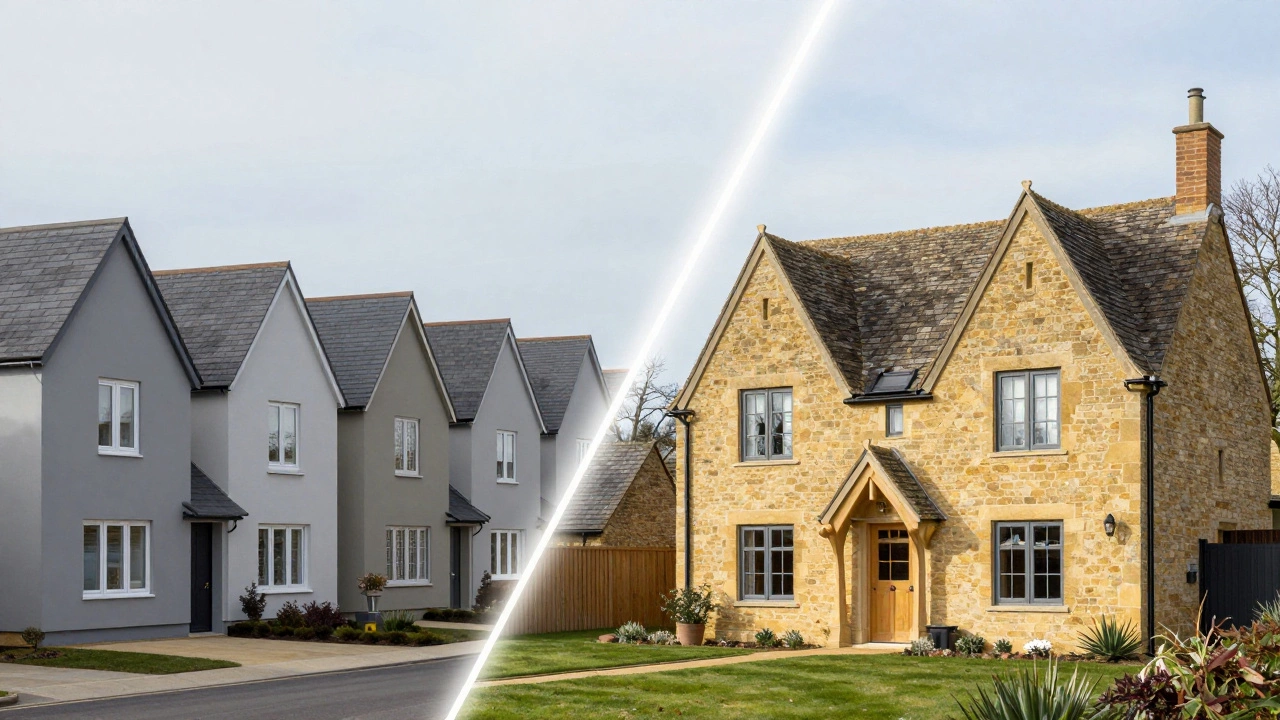
When we talk about the best new build company, we often mistake popularity for quality. A company might have a massive marketing budget and a sleek Instagram feed, but that doesn't mean their joists are level or their customer service is responsive. In the construction world, the "best" is a variable. It depends on whether you need a volume builder for a quick, standard move-in or a bespoke architect-led firm for a one-off masterpiece.
For instance, Volume Builders is a category of construction companies that build large housing estates using standardized designs and rapid construction methods. These are great if you want a predictable price and a fast timeline. However, if you want to move the kitchen to the north side of the house to get better light, a volume builder will likely tell you "no" because it breaks their template.
On the other hand, Bespoke Home Builders are firms that specialize in unique, custom-designed residences tailored to a specific client's needs and site conditions. These companies provide the highest level of quality and flexibility, but they come with a higher price tag and a much slower pace. They don't just build houses; they execute architectural visions.
Decision Criteria: What Actually Matters?
If you're staring at five different quotes, don't just look at the bottom line. A low bid often hides "provisional sums" that balloon later. Instead, judge a company based on these concrete pillars:
First, look at their specialism. If you want a Passive House (a super-insulated, energy-efficient home), hiring a builder who only does traditional brick-and-mortar will lead to disaster. They might think they can "figure it out as they go," but airtightness and thermal bridging require specific training and precision.
Second, assess their supply chain. In today's market, a builder is only as good as their subcontractors. Ask who they use for plumbing and electricals. Do they have a dedicated team, or do they hire random freelancers from a job board? A company with long-term relationships with their trades tends to have fewer errors and better accountability.
Third, check their financial health. The construction industry is volatile. You need to know that the company has the liquidity to pay their workers and buy materials without relying solely on your milestone payments. Ask for a credit reference or a record of completed projects over the last three years.
| Feature | Volume Builder | Custom/Bespoke Builder | Design-Build Firm |
|---|---|---|---|
| Customization | Low (Standard Plans) | High (Unique) | Medium-High |
| Speed of Build | Fast | Slow | Moderate |
| Cost Control | Very Predictable | Variable/Higher | Balanced |
| Quality Oversight | Standardized | Meticulous | Integrated |
The Vetting Process: How to Spot a Red Flag
The most dangerous part of the process is the initial interview. Many builders are great at selling but terrible at executing. To find the truth, stop looking at the finished portfolios. A polished photo of a living room can hide a lot of mistakes. Instead, ask to visit a site that is currently under construction.
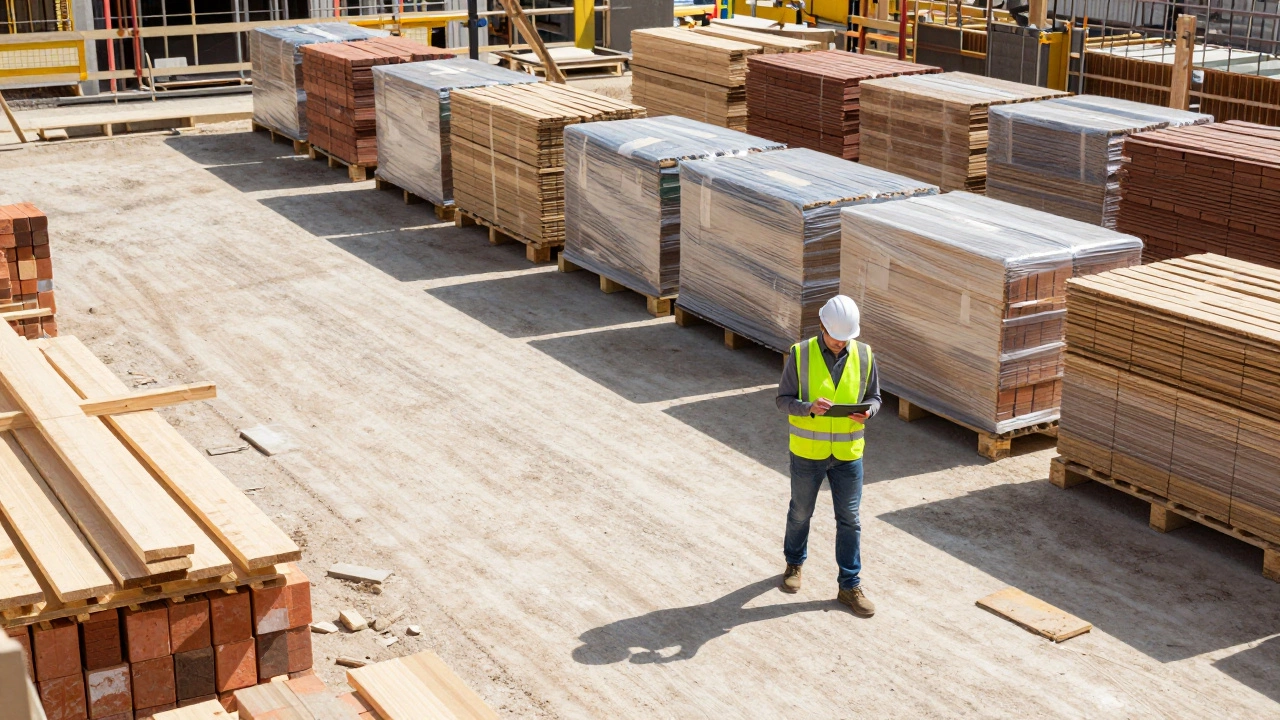
When you're on-site, look at the ground. Is there trash everywhere? Are the materials stored neatly, or are they rotting in the rain? A tidy site usually means a tidy mind and a disciplined project manager. If the site is a mess, expect the finishing details of your home to be messy too.
Another red flag is the "handshake" culture. If a builder tells you, "Don't worry about the contract details, we'll figure it out as we go," run the other way. You need a Fixed Price Contract is a legal agreement where the builder agrees to complete the project for a set sum, protecting the homeowner from unexpected price hikes. Without this, you're essentially writing a blank check.
Don't forget to check their insurance. Specifically, you want to see Professional Indemnity Insurance, which protects you if the builder makes a design error that causes structural failure. If they can't produce a current certificate, they aren't a professional company; they're a risk.
Navigating the Construction Phases
Once you've picked your builder, the relationship shifts from sales to management. The best companies provide a clear roadmap. You shouldn't be guessing when the roof goes on or when the electrics are wired. A professional firm uses project management software-like Procore or CoConstruct-to give you real-time updates and a shared folder for all change orders.
The most friction occurs during the "snagging" phase. Snagging is the process of identifying minor defects-like a scratch in the paint or a door that doesn't quite latch-before the final payment is made. The best builders actually encourage a professional third-party snagging report. Why? Because it shows they are confident in their work and want the house to be perfect before they hand over the keys.
If a builder gets defensive when you mention a flaw, that's a warning sign. A quality-driven company views the snagging list as a checklist for excellence, not a personal attack on their skill. They should have a structured process for returning to the site and fixing issues within a set timeframe (usually 14 to 30 days).
Avoiding the "Money Pit" Trap
The biggest mistake homeowners make is choosing the cheapest quote. In construction, you get what you pay for. If a quote is 20% lower than three other reputable firms, they are either cutting corners on materials (using cheaper grade timber or lower-spec insulation) or they are planning to "upsell" you throughout the build.
To avoid this, insist on a detailed Schedule of Works. This is a line-by-line breakdown of every single item being installed. Instead of "Kitchen installation - £10,000," it should say "Installation of cabinetry, quartz countertops, and integrated appliances as per specification X - £10,000." This prevents the builder from claiming that a specific finish was an "extra" that costs more money.
Also, be wary of builders who ask for a massive deposit upfront. A standard practice involves a small deposit to secure the slot, followed by milestone payments (e.g., after the foundation is poured, after the roof is watertight). If they ask for 50% before they've even broken ground, they might be using your money to finish a previous client's project because they've run out of cash.
How do I know if a builder is reputable?
Check for a combination of trade memberships (like the Federation of Master Builders in the UK), a valid insurance policy, and a portfolio of completed projects where you can actually speak to the previous homeowners. A reputable builder will be happy to provide a list of three recent clients who can vouch for their timeliness and quality of work.
What is a "turnkey" new build?
A turnkey build is a service where the company handles everything from land acquisition and architectural drawings to interior finishing. You essentially "turn the key" and move in. It's the most convenient option but usually the most expensive, as the builder takes a higher margin for managing the entire project lifecycle.
Should I hire an architect separately or use the builder's architect?
Hiring your own architect is generally better. This creates a system of "checks and balances." Your architect acts as your agent, ensuring the builder follows the plans and doesn't cut corners. If the builder provides the architect, they may be incentivized to design a house that is easy/cheap for them to build, rather than what is best for you.
How long does a typical new build take?
For a standard family home, expect 8 to 12 months from breaking ground to completion. Custom luxury homes can take 18 to 24 months. Always add a 10-15% "buffer" to the builder's estimated timeline to account for weather delays and material shortages.
What is the difference between a builder and a general contractor?
In many contexts, they are used interchangeably. However, a builder often has their own crew of workers, while a general contractor primarily manages the project and hires separate subcontractors for every stage. A builder is more like a manufacturer; a contractor is more like a project manager.
Next Steps for Your Project
If you're just starting, your first move shouldn't be calling builders. Start by defining your absolute "must-haves" and your absolute "limit." Create a mood board and a rough floor plan. This allows you to give builders a concrete set of requirements, which will result in more accurate quotes.
For those who already have a design, create a "Tender Package." This is a folder containing your architectural drawings, structural engineer's reports, and a detailed specification list. Send this same package to at least three different companies. If the quotes vary wildly, it's a sign that either your specifications are vague or the builders aren't reading the plans carefully-both of which are warnings for the future.
Finally, if you're feeling overwhelmed, consider hiring a Quantity Surveyor is a professional who manages construction costs and ensures the value of the work matches the payments made. They can review your quotes and tell you if you're being overcharged or if a price is too low to be realistic.