
Contractor Trust Score Calculator
Vetting Checklist
Check off items verified for this contractorTrustworthiness Score
Next Steps:
- • Verify their license number online.
- • Ask for a Certificate of Insurance.
- • Request at least 3 detailed bids.
Imagine handing over the keys to your home and a significant chunk of your savings to someone you barely know. That is exactly what happens when you hire a general building contractor. One wrong move can lead to unfinished projects, liens on your property, or shoddy work that costs more to fix than the original job. Finding a reputable professional isn't just about picking the lowest bid; it’s about trust, verification, and clear communication.
You don’t need to be an expert in construction law to protect yourself. You just need a systematic approach to vetting potential hires. This guide breaks down exactly how to identify skilled, honest pros who will deliver on their promises.
The First Filter: Licensing and Insurance Verification
Before you even look at a portfolio or ask for references, you must verify two non-negotiable credentials: licensing and insurance. Skipping this step is the most common mistake homeowners make. It might seem like bureaucratic red tape, but these documents are your primary shield against financial ruin.
A valid license proves that the contractor has met state or local requirements for education, experience, and bonding. In many jurisdictions, such as California or Florida, you can check active licenses directly through the state’s Contractors State License Board (CSLB) website. If a contractor claims they are licensed but hesitates to provide their license number, walk away immediately. Fake licenses exist, so always cross-reference the number with the official government database.
Insurance is equally critical. You need proof of both General Liability Insurance and Workers' Compensation. General liability covers damage to your property if something goes wrong-for example, if a worker accidentally drops a sledgehammer through your roof. Workers' Compensation covers medical bills if a laborer gets injured on your property. Without this coverage, you could be held personally liable for those injuries. Ask for a Certificate of Insurance (COI) directly from their insurer, not just a printed paper from their office. Call the insurance agent listed on the COI to confirm the policy is active and covers the specific type of work you are hiring them for.
Decoding Online Reviews and Digital Footprints
In the age of social media, your first impression of a contractor often comes from their digital footprint. However, online reviews can be manipulated. Astute homeowners know how to read between the lines of five-star ratings.
Start by checking platforms like Google Business Profile, Yelp, and the Better Business Bureau (BBB). Look for patterns rather than isolated incidents. A single bad review might be an outlier caused by a miscommunication, but ten reviews mentioning "missed deadlines" or "poor cleanup" signal a systemic issue. Pay close attention to how the business responds to negative feedback. Do they get defensive and angry, or do they offer a professional apology and attempt to resolve the issue? The latter indicates a company that values customer service and accountability.
Also, examine their website and social media presence. A reputable firm usually maintains an updated website with detailed project galleries. Look for before-and-after photos of jobs similar to yours. If their Instagram feed hasn’t been updated in six months, or if their website looks outdated and broken, it might suggest they are not actively managing their business operations. Consistency in branding and recent activity suggests a stable, ongoing operation.
The Power of Local Referrals and Word-of-Mouth
While online reviews are useful, personal referrals remain the gold standard for finding trustworthy tradespeople. People in your immediate neighborhood have likely undergone renovations recently. They can tell you not just if the work was good, but if the crew was respectful, punctual, and easy to work with.
Ask neighbors, friends, or colleagues who have had similar work done. Be specific in your questions. Instead of asking, "Was he good?" ask, "Did they finish on time?", "Were there any hidden costs?", and "Would you hire them again?" These questions yield concrete data points that help you assess reliability.
If you don’t have personal connections, try local community groups on Facebook or Nextdoor. Post a request for recommendations, specifying the type of work needed. You’ll often get responses from locals who have firsthand experience. Remember to still verify their licensing and insurance, even for referred candidates. Trust, but verify.
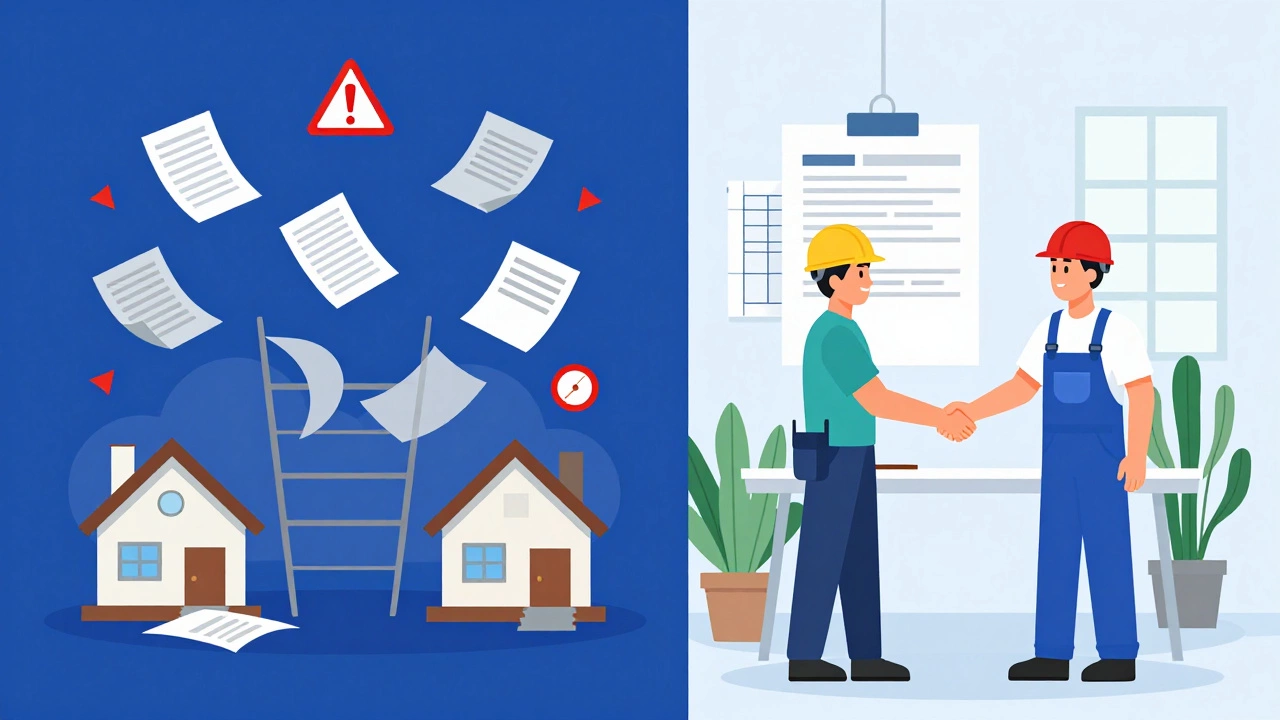
Evaluating Bids and Understanding Pricing Structures
Once you have a shortlist of three to five candidates, it’s time to request detailed bids. A vague estimate is a red flag. You want a line-item proposal that breaks down costs for materials, labor, permits, and overhead. This transparency allows you to compare apples to apples across different quotes.
Be wary of bids that are significantly lower than the average. If one contractor quotes $10,000 and three others quote $15,000 for the same scope of work, the low bidder is likely cutting corners. They might be using inferior materials, underpaying their workers (which leads to high turnover and poor quality), or planning to add change orders later to make up the difference. Conversely, a bid that is drastically higher might include unnecessary markups or luxury finishes you didn’t request.
Discuss the payment schedule upfront. Never pay the full amount upfront. A standard industry practice is a small deposit (usually 10-30%) to secure the start date, followed by progress payments tied to completed milestones. For example, you might pay another 25% after framing is complete, and another 25% after drywall is installed. Always retain a final payment (around 10%) until the project is fully finished and you have inspected the work. This leverage ensures the contractor remains motivated to complete the job satisfactorily.
Checking References and Past Work
A good contractor will readily provide references from past clients. Ask for at least three references from projects completed within the last year. Older references may not reflect the current management team or quality standards.
When you call these references, treat it like an interview. Ask about the contractor’s communication style. Did they respond to calls and emails promptly? Were they proactive in solving problems? Also, ask if the final cost matched the initial bid. Unexpected expenses are a major source of stress in home renovations. If the references mention constant surprise charges, consider looking elsewhere.
If possible, ask to visit a completed project or a job site currently in progress. Seeing the quality of craftsmanship in person-how clean the cuts are, how neatly the wiring is organized, how well the tiles are aligned-gives you insights that photos cannot convey. A tidy job site also reflects professionalism. A chaotic workspace often leads to mistakes and safety hazards.

The Importance of Written Contracts
Verbal agreements are dangerous in construction. Everything must be documented in a written contract. This legal document protects both you and the contractor by clearly defining expectations. A comprehensive contract should include:
- Detailed Scope of Work: Specific descriptions of tasks, including brand names, model numbers, colors, and grades of materials.
- Timeline: Start date, completion date, and working hours. Include clauses for delays due to weather or unforeseen circumstances.
- Payment Schedule: Exact amounts and dates for each payment, tied to specific milestones.
- Change Order Process: How additional work or changes will be priced and approved. All changes must be in writing and signed by both parties.
- Warranty Information: What is covered, for how long, and what voids the warranty.
- Lien Waivers: Clauses ensuring that all subcontractors and suppliers are paid, preventing them from placing liens on your property.
Do not sign a contract you don’t understand. If terms are unclear, ask for clarification. You have the right to consult with a lawyer before signing, especially for large projects. A reputable contractor will welcome this scrutiny and provide a clear, fair agreement.
Red Flags to Watch Out For
Throughout the hiring process, keep your eyes open for warning signs that indicate potential trouble. Here are some common red flags:
- High-Pressure Sales Tactics: Contractors who demand an immediate decision or claim a special price is only available today are trying to bypass your due diligence.
- Cash-Only Discounts: Offering steep discounts for cash payments often signals tax evasion or lack of proper insurance. It also leaves you without a paper trail for disputes.
- No Physical Address: Legitimate businesses have a physical office or place of business. P.O. boxes alone are suspicious.
- Vague Communication: If they are difficult to reach during the bidding phase, imagine how hard it will be once the project starts.
- Unwillingness to Provide References: A confident, reputable contractor has nothing to hide.
Trust your instincts. If something feels off, it probably is. There are plenty of qualified professionals out there. Don’t settle for discomfort or uncertainty.
Making the Final Decision
Finding a reputable contractor is a process of elimination and verification. By prioritizing licensing, insurance, transparent pricing, and strong references, you significantly reduce the risks associated with home improvement projects. Take your time to vet candidates thoroughly. The extra effort you invest upfront will save you money, stress, and heartache down the road.
Remember, the goal is to build a partnership based on mutual respect and clear expectations. When you choose wisely, you gain a skilled ally who transforms your vision into reality, enhancing your home’s value and your daily living experience.
How many bids should I get from contractors?
It is recommended to get at least three detailed bids. This gives you a realistic range of prices and allows you to compare scopes of work, timelines, and material specifications. Getting more than five can become overwhelming and may attract less serious bidders.
What should I do if a contractor asks for a large upfront payment?
Be very cautious. Industry standards suggest a deposit of no more than 10-30% to cover initial material costs. Large upfront payments reduce your leverage and increase the risk of fraud. Insist on a payment schedule tied to completed milestones.
Is it worth paying more for a highly rated contractor?
Yes, often. Higher-rated contractors typically charge more due to better materials, experienced staff, proper insurance, and efficient project management. Cheaper options often result in costly repairs, delays, and stress, which can exceed the initial savings.
Can I hire a contractor without a license?
In most areas, it is illegal for contractors to perform certain types of work without a license. Hiring an unlicensed contractor voids your insurance coverage, exposes you to liability for worker injuries, and makes it difficult to enforce contracts or pursue legal action if work is substandard.
What questions should I ask a contractor's references?
Ask about timeliness, cleanliness, communication, adherence to budget, and whether the contractor resolved any issues professionally. Specifically ask if they would hire the contractor again for future work.