Storage Efficiency & Cost Calculator
Select the rooms you want to improve:
Based on your selections, we will calculate:
- ✓ A Storage Efficiency Score
- ✓ Estimated Cost Range for improvements
- ✓ Specific Tips for your selected rooms
Efficiency Score
Assessment pending...
Recommended Plan
Actionable Tips:
You know that feeling when you walk into a room and immediately feel like there’s nowhere to put your keys, your shoes, or even your thoughts? It’s not just about having too many things; it’s about having the wrong places for them. Adding storage space isn’t always about knocking down walls or building a massive garage extension. Often, it’s about seeing the empty air above your desk, the dead zone under your bed, or the back of your closet door in a new light.
We often treat storage as an afterthought-a box shoved in the corner until we need it again. But effective storage is active. It’s part of the architecture of your daily life. If you want to reclaim your home from clutter, you have to stop looking at floor space and start looking at volume. Here is how you can actually add usable square footage without adding a single brick.
The Vertical Real Estate You’re Ignoring
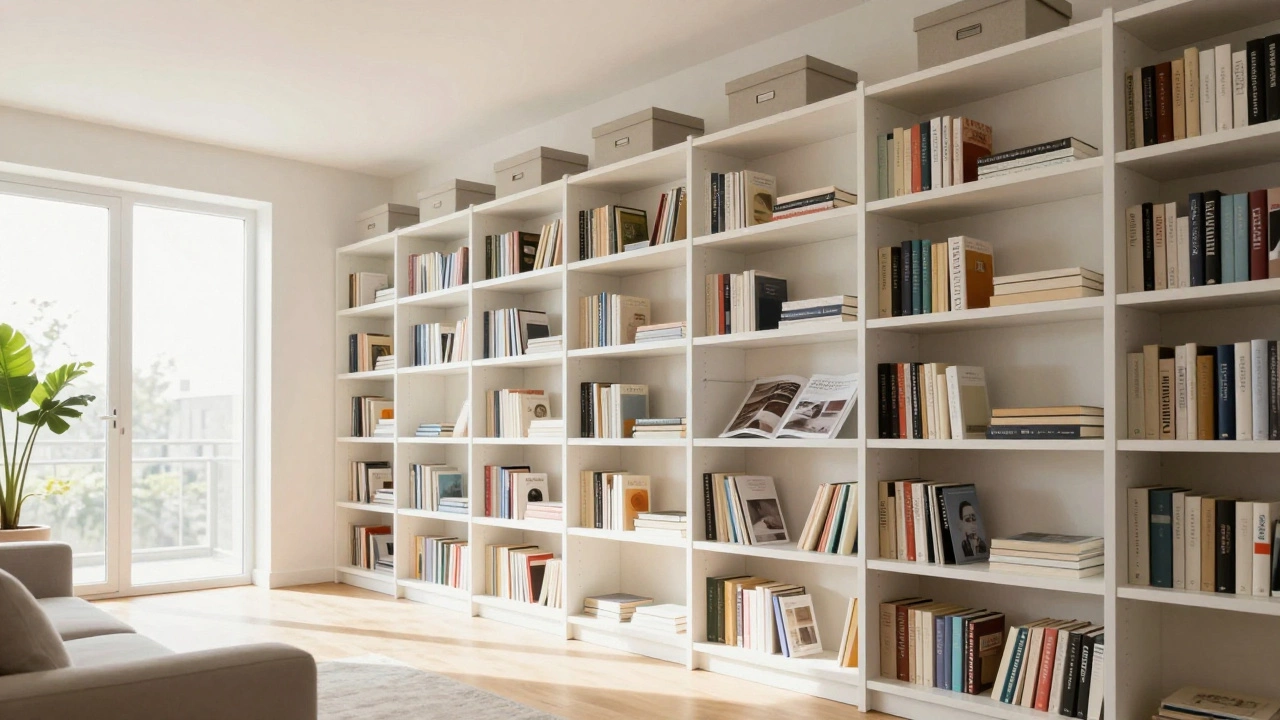
Start by looking up. Literally. How much space do you have above your kitchen cabinets? Above your entryway console? Above your bathroom vanity? In many older homes, there is a gap between the top of standard cabinetry and the ceiling. This is prime real estate. You can install shallow, decorative boxes here for items you don’t need daily, like seasonal linens or holiday decorations. In the kitchen, this is perfect for bulk dry goods or rarely used appliances.
If you’re renting or hesitant to drill holes, tension rods are your best friend. They aren’t just for closets. Install two tension rods vertically in a tall bookshelf to create narrow columns for storing cookbooks, binders, or magazines upright. Or place one horizontally near the top of a wide closet shelf to hang scarves, belts, or bags. It doubles your hanging capacity instantly.
- Kitchen: Use magnetic strips on the side of your fridge or inside cabinet doors to hold knives, scissors, or spice tins.
- Bathroom: Install a medicine cabinet that extends all the way to the ceiling, or use adhesive hooks behind the door for hair tools.
- Living Room: Floor-to-ceiling shelving units draw the eye up and make the room feel larger while providing massive storage.
Hiding Things in Plain Sight
Clutter doesn’t just mean mess; it means visual noise. When everything has a designated spot but is still visible, your brain processes it as background static. The goal of hidden storage is to remove that static. We call this "concealed utility."
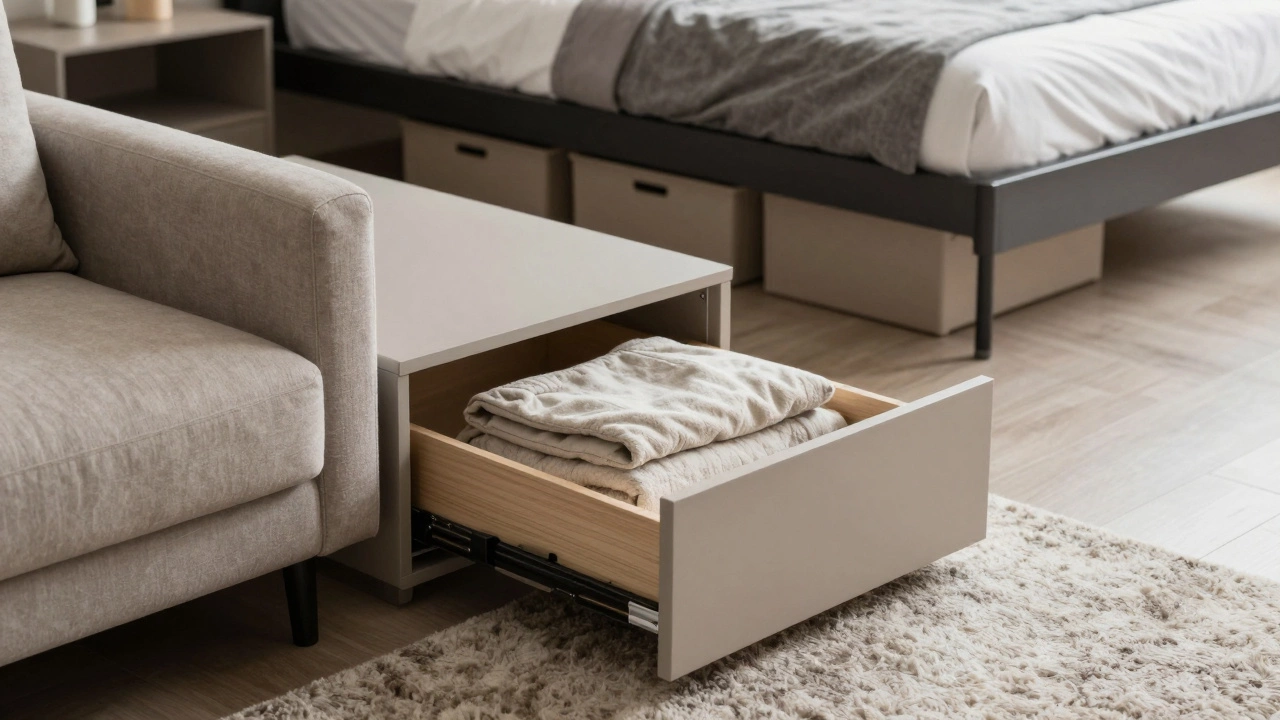
Consider your furniture. Does your sofa have legs? Good. Swap it for a platform sofa with built-in drawers underneath. These can hold blankets, pillows, or even kids’ toys. Look at your ottoman. Is it just a footrest, or does it open up to store board games and remote controls? Multi-functional furniture is the cornerstone of efficient living.
In the bedroom, look at the space under your bed. If you have a traditional frame with slats, you might be losing several cubic feet of storage. Bed risers are a cheap fix-lifting the bed by three inches allows you to slide flat bins underneath for off-season clothing or extra sheets. If you’re willing to invest, a bed frame with hydraulic lifts reveals a massive storage cavity accessible by simply pressing a button.
Don’t forget the backs of doors. The interior of a closet door, the pantry door, or even the bathroom cabinet door offers surprising surface area. Over-the-door organizers are cliché for a reason-they work. But you can do better than plastic pockets. Install slim shoe racks on the back of the closet door. Mount a pegboard on the back of the pantry door for utensils and measuring cups. It keeps things organized and out of the main view.
Reconfiguring Layouts for Flow
Sometimes, you don’t need more storage; you need better access to what you already have. Poor layout creates bottlenecks where items pile up because they’re inconvenient to put away. Think about the "landing zones" in your home-the entryway, the kitchen counter, the bedside table. These are where things accumulate because the path to their proper home is too long or awkward.
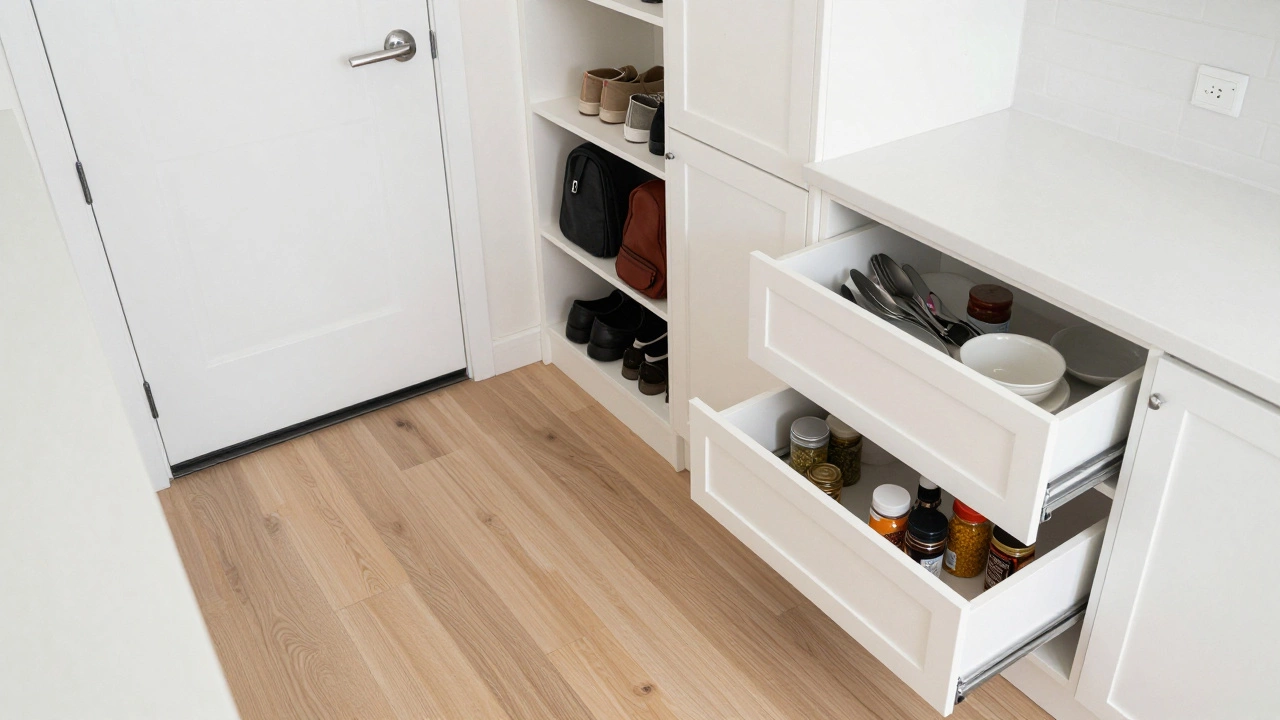
Rethink your entryway. Instead of a bench that holds nothing, choose a mudroom-style unit with cubbies for each family member. Assign one cubbie per person for shoes, bags, and coats. This prevents the "pile" effect near the door. In the kitchen, if your counters are always full, ask yourself why. Are your most-used items buried in deep cabinets? Pull-out drawers are far superior to base cabinets because you can see everything at once. Converting a deep cabinet into a drawer system (or using lazy Susans) makes every inch usable.
Consider the "zone" method. Group items by activity, not by type. All baking supplies should be together, not split between the pantry and the garage. All cleaning supplies should be stored near where they are used, not hidden in a distant closet. If you keep the vacuum cleaner in the basement but clean upstairs floors, you’ll likely leave it in the hallway. Store a handheld vacuum on each floor. Proximity dictates behavior.
The Digital Declutter
We often forget that physical storage pressure comes from digital hoarding. Paper bills, manuals, warranties, and photos take up physical space in filing cabinets, albums, and boxes. Digitizing these items frees up significant physical volume.
Scan important documents-tax returns, insurance policies, vehicle titles-and store them in secure cloud storage. Shred the originals. For photo albums, scan or photograph the images and organize them digitally. This doesn’t mean throwing away every physical memento, but it does mean you don’t need to keep five copies of the same birthday party. Keep one framed favorite; digitize the rest. This approach reduces the need for large bookshelves dedicated to media storage.
When to Build vs. Buy
Not every storage problem requires a hammer. Before committing to custom carpentry, audit your current setup. Can you solve the issue with modular shelving systems like IKEA Kallax or Elfa? These systems are flexible, affordable, and can be reconfigured as your needs change. Custom built-ins are expensive and permanent. They are worth it only if you have a specific architectural niche-like an awkward alcove or a window seat-that cannot be served by standard furniture.
| Solution Type | Best For | Cost Range | Flexibility |
|---|---|---|---|
| Modular Shelving | Renters, changing needs | $50 - $300 | High |
| Over-the-Door Organizers | Small spaces, renters | $10 - $50 | Medium |
| Custom Built-ins | Permanent homes, specific niches | $500 - $5,000+ | Low |
| Multifunctional Furniture | Small apartments, dual-use rooms | $200 - $1,000 | Medium |
Maintaining the System
Adding storage is easy; keeping it organized is hard. Without a maintenance plan, new storage becomes new clutter. Adopt the "one in, one out" rule. If you buy a new pair of shoes, donate an old pair. If you bring home a new gadget, find a home for the old one immediately. Make storage part of your routine, not a weekend project.
Label everything. It sounds obvious, but labeled bins prevent the "where does this go?" hesitation that leads to piles. Use clear containers so you can see contents at a glance. Rotate seasonal items. Don’t let winter coats sit in the closet during summer; move them to higher shelves or under-bed storage. Seasonal rotation keeps your primary storage areas relevant and accessible.
Is it better to buy storage bins or build shelves?
For most people, buying modular shelving and bins is better initially. It’s cheaper, easier to install, and allows you to test different configurations before committing to permanent structures. Build shelves only if you have a specific architectural feature that requires a custom fit.
How do I decide what to keep and what to throw away?
Use the "one year" rule: if you haven’t used an item in the last 12 months, it likely doesn’t belong in your primary living space. Exceptions include sentimental items, legal documents, and seasonal gear. For sentimental items, keep a small curated collection and digitize or donate the rest.
Can I add storage without drilling holes in the walls?
Yes. Tension rods, freestanding shelving units, over-the-door hooks, and adhesive-mounted shelves (like Command strips) are excellent options for renters or those who want to avoid permanent modifications. Just ensure the weight limits of adhesive products are respected.
What is the most cost-effective way to increase closet space?
Install a second hanging rod below the existing one. This allows you to fold pants and skirts on the lower rod, freeing up the upper rod for longer items like dresses and coats. This simple adjustment can double your hanging capacity for less than $20.
Should I use clear or opaque storage containers?
Clear containers are better for visibility and reducing search time, which helps maintain organization. Opaque containers look neater but require labeling. For a balanced approach, use clear bins for frequently accessed items and opaque bins for seasonal or rarely used items.