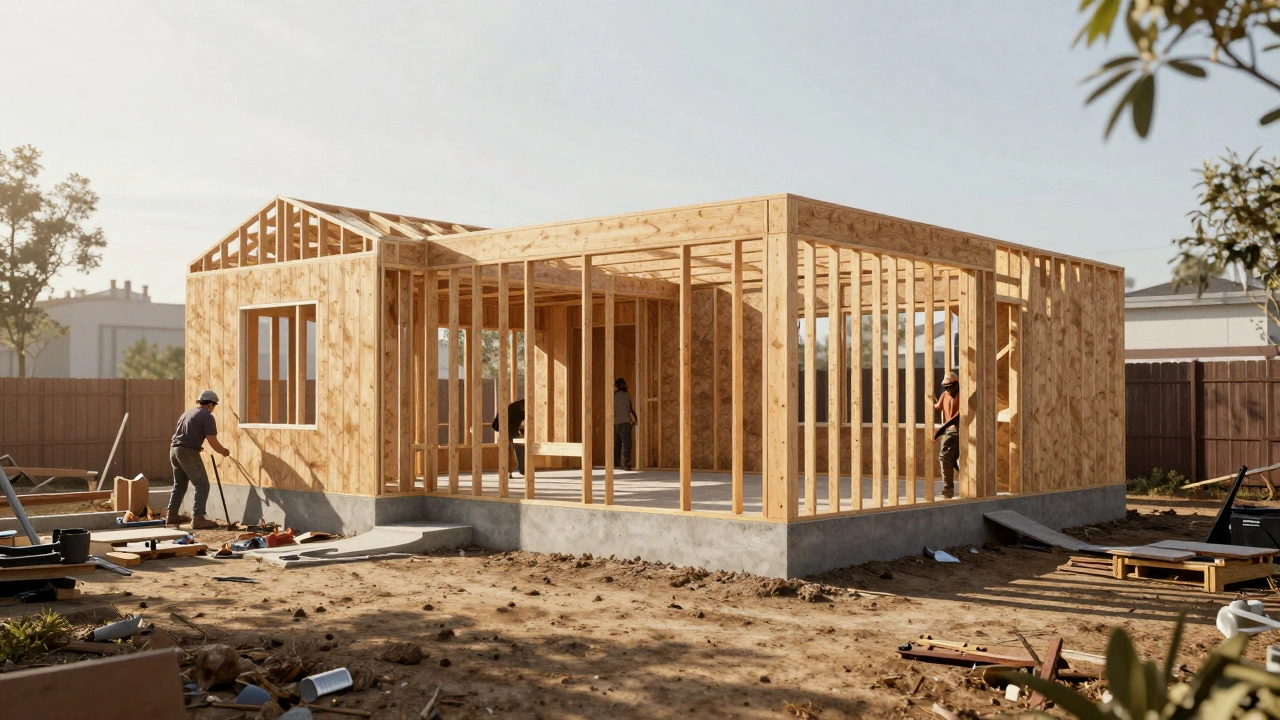
House Extension Cost Calculator
Estimate Your Extension Costs
Get a personalized estimate based on your specific needs. This calculator uses industry averages from the article.
Adding an extension to your house isn’t just about buying more square footage-it’s about buying better living. But before you start dreaming about sunlit kitchens or quiet home offices, you need to know what it actually costs. The price can swing from $30,000 to over $200,000 depending on where you live, what you’re building, and how much you want to customize it. There’s no single answer, but there are clear patterns that help you plan smarter.
What’s the average cost of a house extension?
In the U.S., most homeowners spend between $80 and $200 per square foot for a standard single-story addition. That means a 200-square-foot room could cost $16,000 to $40,000. A larger 400-square-foot extension-like a family room or master suite-runs $32,000 to $80,000. These numbers include materials, labor, permits, and basic finishes. High-end finishes like custom cabinetry, heated floors, or smart home systems can push costs toward the top end or beyond.
Location matters more than you think. In cities like San Francisco or New York, labor and materials cost 30-50% more than in places like Ohio or Tennessee. A $50,000 project in Atlanta might cost $75,000 in Boston for the same design. If you’re in a high-demand area, contractors may charge extra just to get on their schedule.
Types of extensions and their price ranges
Not all extensions are created equal. The shape, size, and purpose of your addition directly affect the price.
- Single-story rear extension: The most common and affordable option. Often used for kitchens or family rooms. Costs $80-$150 per sq ft. Total: $25,000-$75,000.
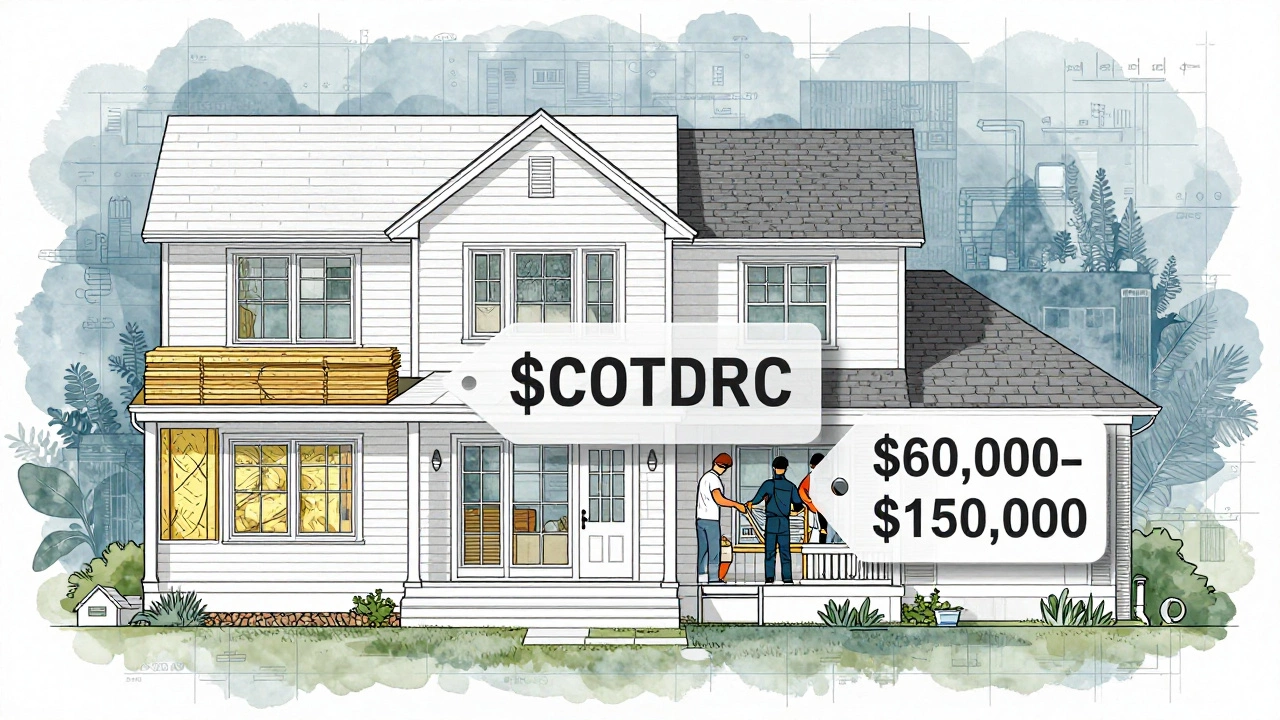
- Two-story addition: Adds space without taking up more yard. Requires stronger foundations and roof work. Costs $120-$220 per sq ft. Total: $60,000-$150,000.
- Basement extension: If you have unused space below, finishing it is cheaper than building up. Costs $50-$100 per sq ft. Total: $15,000-$50,000.
- Garage conversion to living space: Turning your garage into a bedroom or studio. Avoids new foundation costs. Total: $20,000-$50,000.
- Bay window or bump-out: Small extensions that add 2-4 feet to a room. Great for kitchens or living rooms. Costs $5,000-$20,000.
One thing to remember: a two-story addition isn’t twice as expensive as a single-story. You’re paying more for structural work, but you’re getting double the space. That often makes it more cost-effective per square foot.
What’s included in the cost?
Many people forget that the price tag isn’t just for walls and floors. Here’s what you’re really paying for:
- Design and permits: Architects or drafters charge $2,000-$8,000. Building permits vary by city-$500 to $3,000.
- Foundation work: Concrete, footings, and reinforcement. This can be $10,000-$25,000 depending on soil and size.
- Framing and roofing: Wood or steel framing, new roof sections. $15,000-$35,000.
- Electrical and plumbing: New outlets, lights, water lines, and vents. Often $8,000-$20,000.
- Insulation and drywall: Basic materials and installation. $5,000-$12,000.
- Finishes: Flooring, cabinets, countertops, paint, trim. This is where costs balloon. Budget $15,000-$50,000 depending on quality.
Some contractors offer all-inclusive packages. Others charge separately for each trade. Get itemized quotes. If a bid says “$75,000 all-in,” ask what’s included. You might be paying for cheap cabinets or no HVAC upgrade.
Hidden costs no one talks about
Most homeowners are shocked by what shows up after the contract is signed.
- Utility relocation: Moving gas lines, sewer pipes, or electrical panels can add $3,000-$10,000.
- Tree removal or landscaping: If your extension blocks a tree or needs grading, expect $1,000-$8,000.
- Temporary relocation: If you’re living in the house during construction, you might need to rent a hotel room or pay for a portable kitchen. $1,000-$5,000.
- Change orders: Want to move a window? Add a second outlet? These small changes can add $500-$3,000 each.
- Insurance and inspections: Some cities require extra inspections for structural changes. Fees add up.
Always add 10-15% to your budget for surprises. If you don’t, you’ll either delay the project or cut corners you’ll regret later.
How to save money without sacrificing quality
You don’t need to go luxury to get a great result.
- Use standard-sized windows and doors. Custom sizes cost 2-3x more.
- Choose laminate or vinyl plank flooring instead of hardwood. Looks similar, costs half as much.
- Buy materials yourself. Contractors mark up lumber, tile, and fixtures by 20-40%. You can save thousands.
- Stick to the original roofline. Changing the pitch or adding dormers adds complexity and cost.
- Do your own painting or cleanup. It’s not glamorous, but it cuts labor costs.
Also, time your project right. Spring and early fall are peak seasons. Contractors are busy. Prices go up. Winter months (November-February) often have lower rates and faster scheduling.
Do you need an architect or can you DIY the plans?
You don’t always need an architect. For simple, standard additions, a draftsman or design-build firm can handle the plans for $1,000-$5,000. Architects cost $5,000-$15,000, but they’re worth it if you want custom shapes, complex layouts, or high-end finishes.
DIY plans are risky. Many cities won’t approve them unless they’re stamped by a licensed professional. Even if they do, mistakes in load-bearing walls or electrical layouts can be dangerous-and expensive to fix.
How long does a house extension take?
Timeline depends on size and complexity.
- Small bump-out or bay window: 4-6 weeks
- Single-story addition: 3-5 months
- Two-story addition: 5-8 months
Delays happen. Weather, material shortages, permit backlogs, or neighbor complaints can push things back. A good contractor will give you a buffer of 2-4 weeks in their schedule. If they don’t, ask why.
Will a house extension increase my property value?
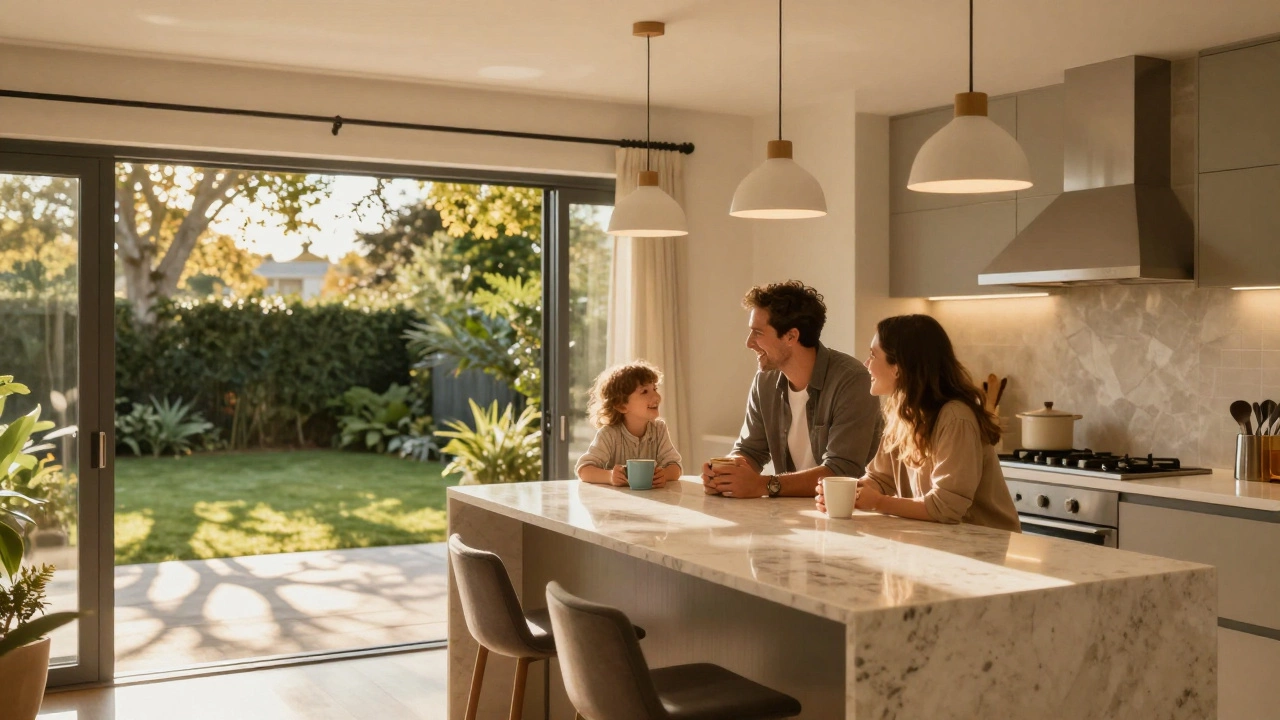
Generally, yes. On average, you’ll recoup 50-80% of your investment when you sell. Kitchens and primary bedrooms add the most value. A well-designed family room might return 65%. A poorly planned addition-like one that blocks natural light or ruins your yard-can hurt resale.
Local market matters. In high-demand areas, even a basic extension can boost value by $50,000-$100,000. In slower markets, the return is more modest.
What permits do you need?
You’ll need a building permit. That’s non-negotiable. Skipping it can cause problems later: when you sell, when you refinance, or if the city finds out.
Depending on your location, you might also need:
- Planning permission (for size or location)
- Setback compliance (distance from property lines)
- Environmental review (if near wetlands or protected trees)
- Homeowners association approval (if you’re in a HOA community)
Always check with your local building department before you sign a contract. Some cities have strict rules on height, materials, or even roof color.
What’s the best way to choose a contractor?
Don’t pick the cheapest bid. Pick the most transparent one.
- Ask for three detailed quotes. Compare line-by-line, not just totals.
- Check reviews on Google and Houzz. Look for comments about communication, cleanup, and timeline.
- Ask if they handle permits. If not, you’re taking on extra work.
- Verify their license and insurance. A $10,000 mistake on your property could become your problem if they’re not covered.
- Ask for references from past clients who did similar projects.
Pay attention to how they answer questions. If they’re vague or push you to decide fast, walk away. Good contractors want you to understand what you’re paying for.
When should you not add an extension?
Not every house should be extended. Here’s when to reconsider:
- Your yard is too small for a legal addition.
- Your foundation can’t support extra weight.
- You’re planning to move in 2-3 years and won’t enjoy the space long enough to justify the cost.
- You’re in a historic district with strict design rules.
- You’re trying to fix a layout problem by adding space instead of reconfiguring.
Sometimes, a smart renovation of existing space-moving a wall, opening up a floor plan, or adding built-ins-can feel just as big without the cost.
How much does a 200 sq ft addition cost?
A 200-square-foot addition typically costs between $16,000 and $40,000. That includes materials, labor, permits, and basic finishes. High-end finishes like custom cabinets or heated floors can push the price closer to $50,000. Location also plays a big role-urban areas cost significantly more than rural ones.
Can I add an extension without a permit?
No. All structural additions require a building permit. Skipping it risks fines, forced removal, or problems when you sell. Insurers may also deny claims if they find unpermitted work. Even small bump-outs need approval in most cities. Always check with your local building department before breaking ground.
Is it cheaper to build up or out?
Building out (single-story) is usually cheaper than building up (two-story). Building up requires stronger foundations, additional structural support, and more complex roofing. However, building up gives you twice the space, so the cost per square foot is often lower. If you have limited yard space, building up makes more sense financially and practically.
How long does a house extension take to complete?
A small addition like a bump-out takes 4-6 weeks. A full single-story extension usually takes 3-5 months. Two-story additions can take 5-8 months. Delays are common due to weather, permit approvals, or material shortages. Always build in a 2-4 week buffer when planning your timeline.
Do house extensions increase property value?
Yes, typically by 50-80% of the project cost. Kitchens and primary bedrooms offer the highest return. A well-designed family room adds comfort and appeal, often recouping 60-70%. Poorly planned additions-like ones that block light or reduce yard space-can hurt resale value. Location and market demand also affect how much value you gain.
Adding an extension is a big decision, but it doesn’t have to be overwhelming. Know your numbers, plan for surprises, and choose quality over shortcuts. The right addition doesn’t just add space-it adds years of comfort to your home.