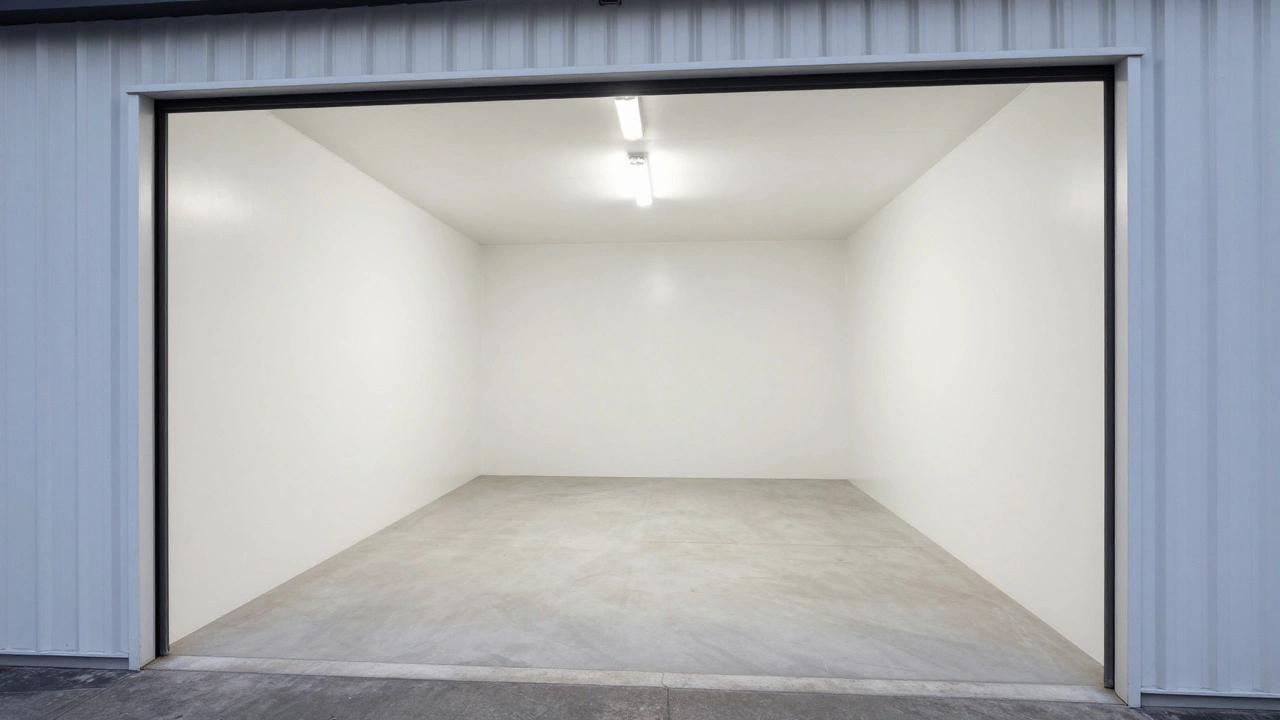
10x10 Storage Unit Space Estimator
Select the items you plan to store to see how much of your 100 sq ft floor space will be occupied. Note: Estimates assume vertical storage for mattresses.
Stored vertically against wall
Standard 6-drawer footprint
Two standard side tables
Estimated workspace footprint
Medium boxes, stacked height
Capacity Used
Square Feet
The Quick Breakdown: What Actually Fits?
If you're trying to visualize the space, think of a 10x10 unit as roughly the size of a small bedroom in a modern house. For the average person, this means you can fit the core essentials of one bedroom without having to play a high-stakes game of Tetris.In a typical scenario, a 10x10 storage unit comfortably holds:
- A queen or king-size bed (mattress and box spring).
- Two nightstands.
- A large dresser or a chest of drawers.
- A desk and an office chair.
- 10 to 15 medium-sized moving boxes.
- A few oversized items like a floor lamp or a bean bag chair.
Furniture Dimensions and Spatial Math
To understand why some people breeze through a 10x10 and others struggle, we have to look at the actual footprint of the furniture. A Queen Size Mattress is roughly 60 inches by 80 inches. When you stand that on its side against the wall, it only takes up about 10-15 inches of depth but takes up 6.6 feet of your 10-foot wall.Contrast that with a King Size Mattress, which is wider. If you have a California King, you're losing more wall real estate. Once the mattress is in, your dresser (usually 2x5 feet) and two nightstands (each 2x2 feet) take up another significant chunk of the floor. If you've only used 40 square feet for furniture, you still have 60 square feet for boxes. That sounds like a lot, but remember: you need a walking path. If you pack the unit wall-to-wall, you can't get to the stuff in the back without unloading the entire unit.
| Item | Estimated Footprint | Storage Tip |
|---|---|---|
| Queen Bed Set | ~12 sq ft (stored vertically) | Store against the longest wall. |
| 6-Drawer Dresser | ~10 sq ft | Use the top for light boxes. |
| Nightstands (Pair) | ~8 sq ft | Stack them if possible. |
| Office Desk | ~12 sq ft | Disassemble legs if possible. |
| Medium Boxes (15) | ~20 sq ft (stacked) | Heavy items on bottom. |
The Art of the Stack: Maximizing Vertical Space
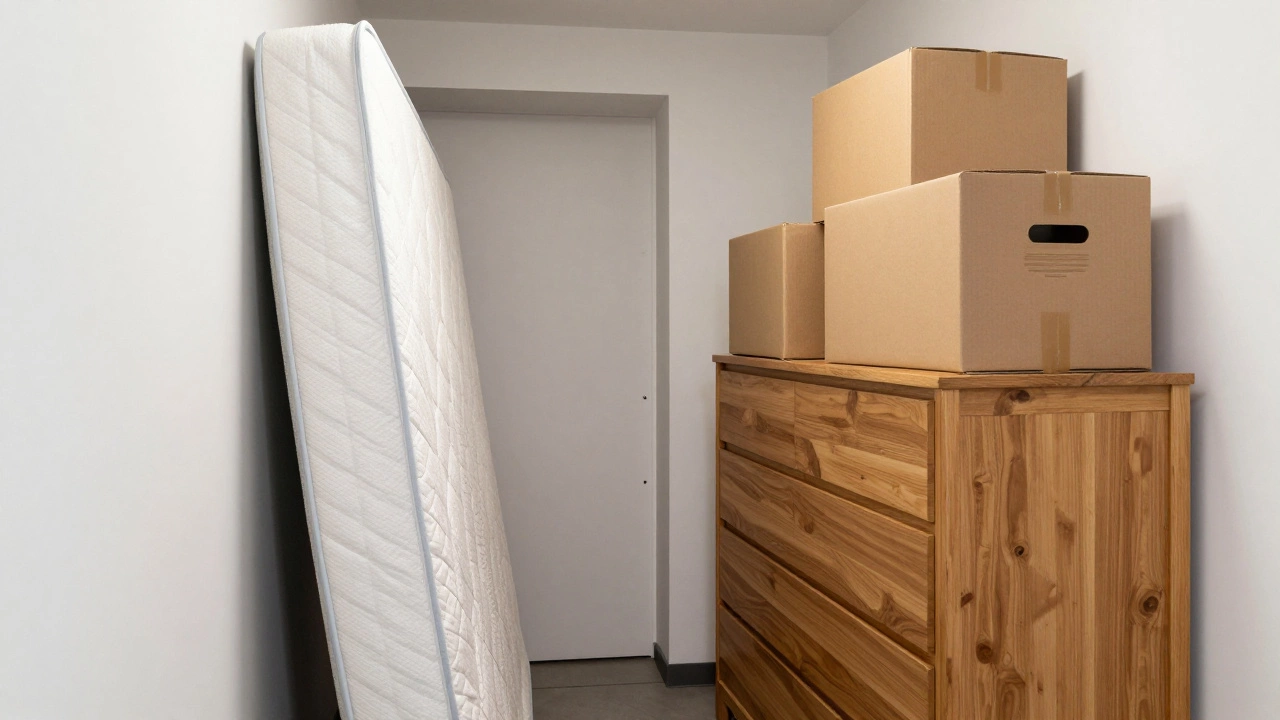
Most people forget that a storage unit isn't just a floor; it's a cube. If you only place items on the ground, you're wasting about 70% of what you paid for. To fit more than one bedroom, or to keep a single bedroom's worth of stuff organized, you have to go vertical.Start with your heaviest, sturdiest items on the bottom. A dresser is a perfect base. You can stack three or four medium-sized boxes on top of a solid wood dresser without any risk of collapse. Avoid stacking boxes on top of a mattress, as the mattress will shift and the boxes will slide. Instead, use Plastic Storage Bins for items you might need to access frequently, as they stack more securely than cardboard.
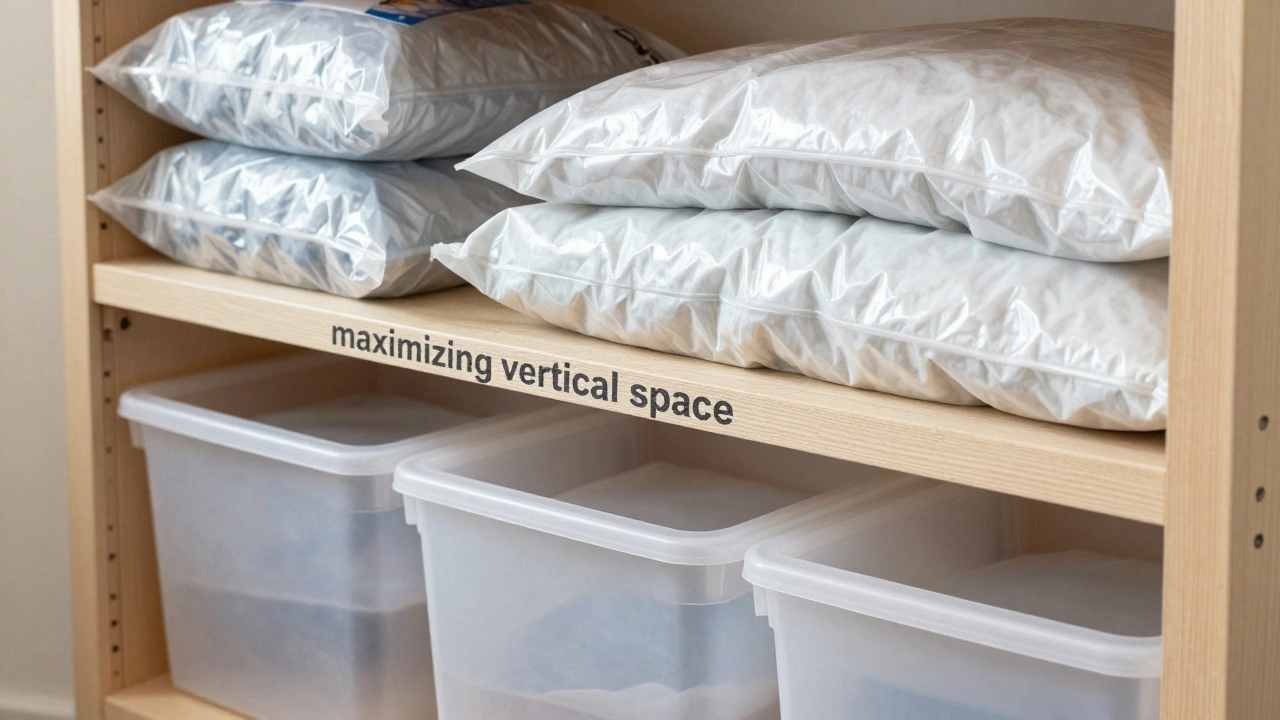
One pro move is to use "furniture bridges." If you have two tall bookshelves, place a sturdy piece of plywood across them. Now you have a makeshift shelf to store lighter items like bedding, pillows, or bags of clothes, effectively doubling your storage area in that specific section.
Common Pitfalls That Kill Your Space
Why do some people find that their one bedroom doesn't fit in a 10x10? Usually, it's because of a few specific space-killers. First, there's the "miscellaneous pile." This is the collection of random items-vacuum cleaners, oversized mirrors, gym equipment, and laundry baskets-that don't have a designated spot. These items tend to sprawl across the floor, eating up the square footage you needed for your boxes.Second is the failure to disassemble. A bed frame takes up a massive amount of room if left assembled. By spending 20 minutes with an Allen wrench to break down a Bed Frame, you can slide those rails along the side of the unit, freeing up a massive amount of center floor space. The same goes for desks. A desk with the legs attached is a bulky obstacle; a desk with a flat tabletop and separate legs is just another flat surface to stack things on.
Finally, watch out for the "soft goods" trap. Bags of clothes and comforters are bulky and irregular. If you just throw them in, they create gaps and uneven surfaces that make stacking impossible. Use Vacuum Storage Bags to compress your linens. This can reduce the volume of your bedding by up to 75%, potentially saving you enough room to fit an extra dresser or several more boxes.
How to Organize for Easy Access
There is nothing worse than realizing the one box you need is buried under a king-size mattress and three dressers. If you're using a 10x10 for long-term storage, you still need a strategy.- The Perimeter Method: Place your largest, heaviest items (mattress, dresser) against the back and side walls. This leaves a narrow center aisle.
- The Frequency Scale: Put items you'll never need (holiday decor, old yearbooks) in the very back. Put the items you might need (off-season clothes, a spare lamp) near the front.
- Labeling 360: Label your boxes on the sides, not the tops. When boxes are stacked, you can't see the top label, but you can see the side label from the aisle.
- Airflow Gaps: Leave a couple of inches between your furniture and the walls. This prevents moisture buildup and mold, especially in units that aren't fully climate-controlled.
Choosing the Right Unit: 10x10 vs. Alternatives
If you're still unsure, it helps to see where the 10x10 sits compared to other sizes. A 5x10 is usually too small for a bedroom-it's more for a walk-in closet or a few large boxes. A 10x15 is the next step up, and it's the sweet spot for people moving a one-bedroom apartment including the living room furniture.If you only have the bedroom to deal with, the 10x10 is almost always the right choice. It gives you enough breathing room to actually organize your things rather than just cramming them in. If you find yourself with a massive amount of oversized furniture-like a four-poster bed or an antique armoire-you might feel the squeeze, but for 90% of modern bedroom sets, it's the ideal balance of cost and capacity.
Can I fit two bedrooms in a 10x10 unit?
It is possible, but only if the furniture is minimal. For example, two children's rooms with twin beds and small dressers can fit if you stack boxes to the ceiling. However, two adult bedrooms with queen or king beds will not fit without leaving items behind.
Should I store my mattress flat or on its side?
Always store your mattress on its side (vertically). Storing it flat wastes a massive amount of floor space. Just make sure to lean it against a clean wall and avoid placing heavy objects against it, which could cause permanent dips in the foam.
Will a king-size bed fit in a 10x10?
Yes, a king-size bed fits easily in a 10x10 unit. Since the unit is 10 feet wide and a king mattress is roughly 6.6 feet long, you'll have over 3 feet of extra space on that wall for other items.
Do I need a climate-controlled unit for bedroom furniture?
If you are storing high-end wood furniture, leather headboards, or expensive mattresses, climate control is highly recommended. Extreme heat and humidity can warp wood and cause mold to grow in fabric mattresses.
What is the best way to pack a 10x10 unit?
The best way is to use the 'perimeter method': Place the heaviest items against the walls, disassemble all furniture, use vacuum bags for linens, and stack boxes vertically on top of sturdy furniture like dressers, leaving a center aisle for access.
Next Steps for a Stress-Free Move
Before you rent the unit, do a quick inventory. If you find you have more than 20 large boxes and three pieces of oversized furniture, you might want to consider stepping up to a 10x15. If you're sticking with the 10x10, start your packing by grouping items by weight. Put the heavy stuff in the smallest boxes to make them easier to stack and move.Once you arrive at the unit, don't just start throwing things in. Lay out your largest pieces first to define the boundaries of your aisle. If you realize midway through that you're running out of room, don't panic-start looking for things you can disassemble further or boxes that can be consolidated. A little bit of planning at the start saves you hours of rearranging later.