Home Storage Solution Finder
Not sure which storage solution fits your life? Select your primary challenge below to get a tailored recommendation from our practical guide.
I have floor clutter & no wall space
My room feels crowded because things are on the floor or chairs. I need to use walls/doors.
My closet is a disaster zone
Clothes are piled up, I can't see what I own, and drawers are overflowing with socks.
I want to hide visual noise
My living area looks messy due to blankets, remotes, or shoes. I want sleek, closed storage.
Select one of the options above to see your recommended storage strategy.
Recommendation
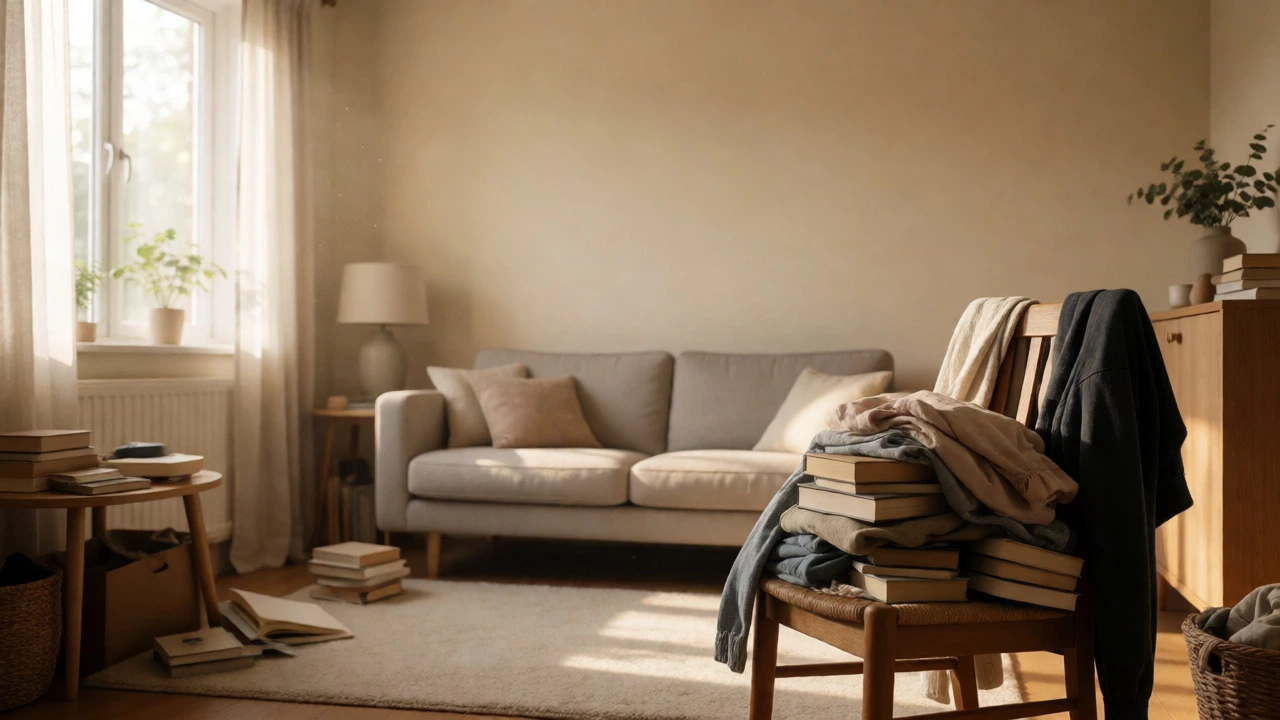
You know that feeling when you walk into a room and your brain immediately registers it as "messy"? It’s rarely about having too much stuff. Honestly, most of us have roughly the same amount of belongings as our grandparents did in their tiny terraced houses. The problem is usually that we haven’t given those things a home. We throw things on chairs because putting them away takes three steps instead of one. That friction kills organization faster than any lack of discipline ever could.
So, what are some storage options that actually work for real life, not just for Instagram photos? This isn't about buying expensive custom cabinetry (though that’s great if you can afford it). This is about finding smart, accessible places for your stuff so you stop tripping over boxes and start enjoying your square footage. Whether you’re renting a flat in London or owning a suburban semi-detached house, the principles remain the same: use height, hide clutter, and keep daily items within arm's reach.
The Vertical Advantage: Using Walls and Doors
Most people treat walls like blank canvases waiting for art, but they are actually prime real estate for storage. If you look at your floor plan, you’ll notice that horizontal space is finite, but vertical space is often wasted. The average ceiling height in many older UK homes is around 2.4 meters (8 feet), yet most furniture only uses up to 1 meter. That leaves over half the wall unused.
Over-the-door organizers are the unsung heroes of small spaces. They are cheap, require no drilling (perfect for renters), and can hold everything from shoes to cleaning supplies. I’ve seen clients turn a chaotic bathroom cabinet situation into order simply by hanging a clear pocket organizer on the back of the door for toiletries. Another solid option is installing wall-mounted shelving. Floating shelves don’t take up visual weight like bulky bookcases do, making a room feel larger while providing a spot for books, plants, or display items.
Don’t ignore the space above doors either. In kitchens and hallways, there is often a gap between the top of the door frame and the ceiling. Installing a high shelf here is perfect for items you rarely use, like seasonal decorations or bulk paper goods. You won’t see the clutter from eye level, but it’s there when you need it.
Closet Systems: Beyond the Hanger Rod
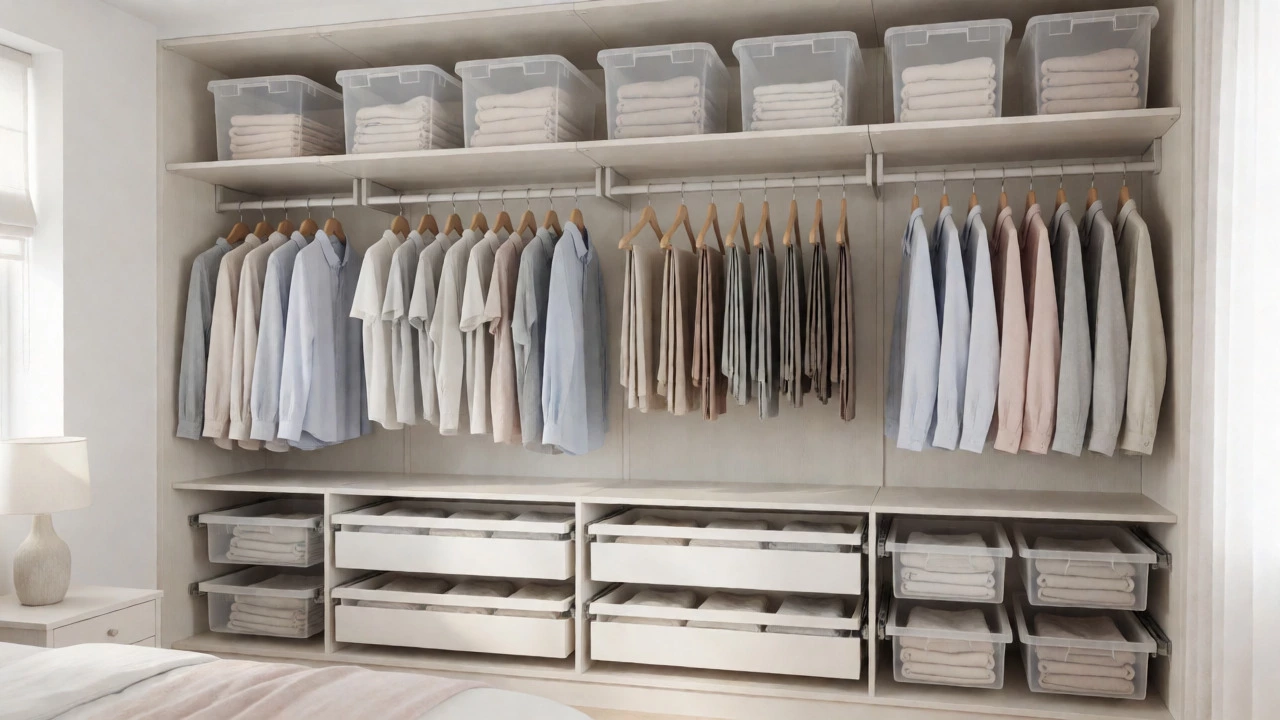
If you open your wardrobe and it looks like a tornado hit a clothes factory, the issue isn’t the size of the closet-it’s the configuration. Standard closets come with one rod and one shelf. That’s it. This setup forces you to stack clothes, which leads to forgotten items at the bottom of piles. To fix this, you need to break the space into zones.
Consider adding a second rod. Hanging shirts and trousers separately prevents wrinkling and makes outfit selection faster. Below the rods, use pull-out drawers or bins rather than stacking folded clothes. Pull-out mechanisms mean you can see everything at once without digging through stacks. For smaller items like socks and underwear, drawer dividers are non-negotiable. Without them, you end up with a "sock graveyard" where pairs go to die.
For those with walk-in wardrobes, consider island units or bench seating with hidden storage. These provide surface area for folding laundry and secure spots for accessories. If you’re tight on budget, modular systems like those from IKEA allow you to customize depth and height to fit awkward corners. Remember, the goal is visibility. If you can’t see it, you won’t wear it.
Furniture With Hidden Depths
Multifunctional furniture is no longer just for studio apartments. Even in spacious homes, dual-purpose pieces reduce visual noise. An ottoman that opens up to store blankets keeps your living room tidy without sacrificing comfort. Beds with built-in drawers or hydraulic lift bases are fantastic for storing off-season clothing or extra bedding. Since bedrooms are often the largest rooms, utilizing under-bed space frees up valuable wardrobe capacity.
When choosing new furniture, look for pieces with closed storage. Open shelving requires constant styling; dust collects quickly, and anything messy looks worse on display. Closed cabinets hide the chaos. For example, a coffee table with a lift-top allows you to store remotes, magazines, and board games inside, keeping the surface clear for drinks and snacks. Benches in entryways serve as seating for putting on shoes while hiding muddy footwear underneath.
| Furniture Type | Best Use Case | Pros | Cons |
|---|---|---|---|
| Ottoman / Pouf | Living Room / Bedroom | Soft seating, hides bulky items | Hard to access frequently used items |
| Lift-Top Coffee Table | Living Room | Keeps surfaces clear, easy access | Surface becomes unusable when open |
| Storage Bed Frame | Bedroom | Huge capacity for linens/clothes | Heavy to move, difficult assembly |
| Entryway Bench | Hallway | Seating + shoe storage | Can become cluttered if overloaded |
Kitchen Solutions: Maximizing Cabinet Efficiency
Kitchens are arguably the hardest rooms to organize because items vary wildly in shape and frequency of use. Most kitchen cabinets are deep boxes that waste space. If you put a pan at the back of a deep cupboard, you have to unload the front items to get to it. This inefficiency breeds frustration.
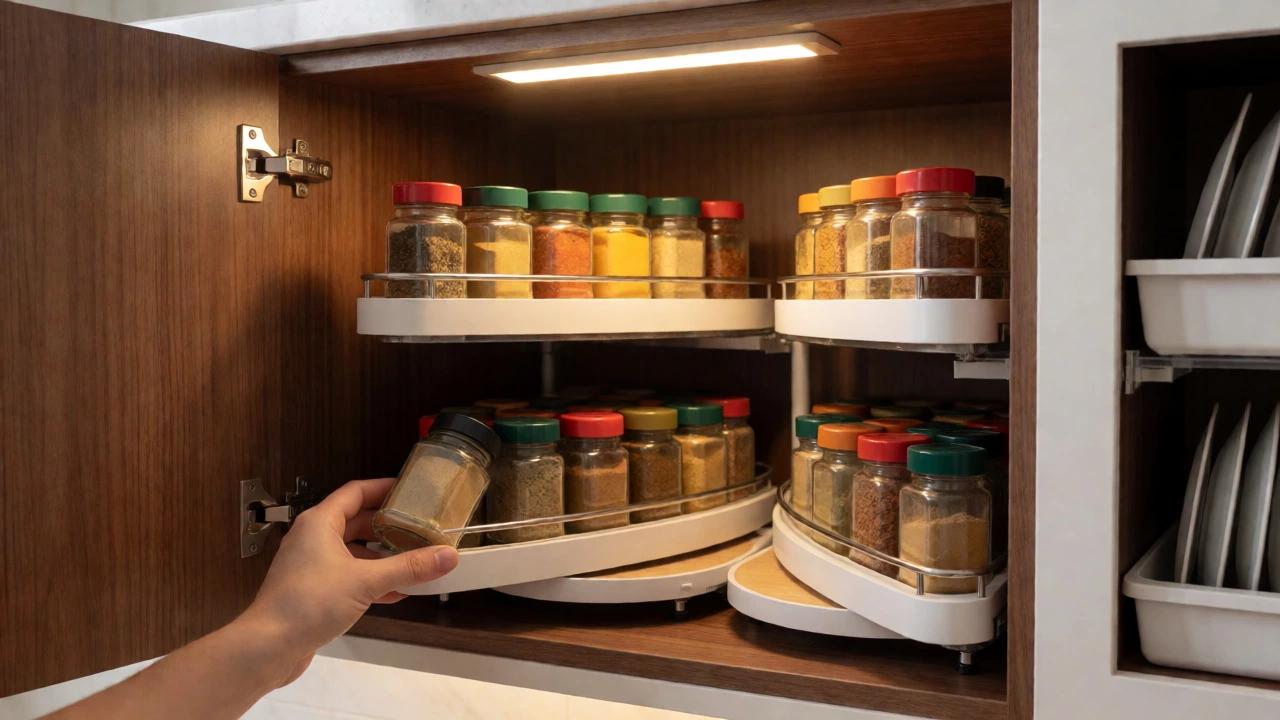
Inserts are your best friend here. Tiered spice racks bring jars forward so you can read labels. Pull-out pantry towers transform narrow gaps into functional storage for dry goods. Under-sink organizers utilize the awkward plumbing area to store cleaning products neatly. Lazy Susans in corner cabinets rotate heavy pots and pans to the front, eliminating the need to crawl into dark corners.
Vertical storage within cabinets is also key. Stackable bins allow you to store plates vertically, saving space and preventing chips. For countertop appliances like blenders or mixers, consider a dedicated appliance garage or a rolling cart that can be tucked away when not in use. Keeping counters clear makes cooking less stressful and cleaning faster.
Garage and Outdoor Spaces
For homeowners with garages, this space often devolves into a dumping ground for bikes, tools, and holiday gear. The solution is zoning. Divide the garage into sections: sports equipment, automotive supplies, gardening tools, and seasonal items. Pegboards are excellent for hand tools because they keep items visible and accessible. Heavy-duty shelving units should be anchored to the wall to prevent tipping.
Use clear plastic bins for anything stored on high shelves. Labeling is crucial-write what’s inside on multiple sides of the box so you can identify it from the aisle. If you have a garden shed, ensure it is weatherproofed. Dampness ruins cardboard boxes and metal tools. Metal shelving resists rust better than wood in humid environments. Also, consider bike hoists for ceilings if floor space is limited. Lifting bikes out of the way frees up room for cars or lawnmowers.
Deciding What to Keep
No amount of clever storage solves the problem of having too much stuff. Before you buy another bin, ask yourself: Do I use this? Have I used it in the last year? Is it broken or outdated? Be ruthless. Donate clothes that don’t fit, toss expired medications, and recycle old paperwork.
A useful rule of thumb is the "One-In, One-Out" policy. When you buy a new pair of shoes, donate an old pair. This maintains equilibrium and prevents accumulation. Regularly auditing your possessions ensures that your storage solutions remain effective. If a drawer is overflowing, it’s not a sign you need a bigger drawer; it’s a sign you need fewer items.
Quick Summary / Key Takeaways
- Utilize vertical space with wall-mounted shelves and over-the-door organizers to free up floor area.
- Transform closets with double rods and pull-out drawers to improve visibility and accessibility.
- Choose multifunctional furniture like storage beds and ottomans to hide clutter discreetly.
- Optimize kitchen cabinets with inserts, lazy Susans, and tiered racks to maximize depth.
- Practice regular decluttering using the "One-In, One-Out" rule to prevent storage overflow.
What is the cheapest way to add storage to a rental property?
The cheapest and most renter-friendly options are freestanding shelving units, over-the-door organizers, and under-bed storage bins. These require no permanent installation, leaving no holes in the walls when you move out. Command strips for lightweight hooks and adhesive-backed towel rails are also excellent low-cost additions.
How do I organize a small closet efficiently?
Focus on verticality. Install a second hanging rod to double your hanger capacity. Use slim, matching hangers to save width. Add shelf dividers to keep stacked clothes neat, and place clear bins on higher shelves for off-season items. Ensure lighting is adequate so you can see what you have.
Are custom built-ins worth the investment?
Custom built-ins are worth it if you plan to stay in your home long-term and value aesthetics and maximum space utilization. They eliminate dead space and increase property value. However, for short-term residents or those on a tight budget, modular systems offer similar functionality at a fraction of the cost and can be taken with you when you move.
What materials are best for durable storage bins?
Polypropylene plastic is generally the most durable and moisture-resistant material for household storage. It withstands temperature changes and doesn't warp easily. Avoid thin cardboard for long-term storage as it attracts pests and degrades with humidity. Fabric bins are good for soft items like clothes but lack structure for heavier objects.
How can I store seasonal items effectively?
Use vacuum-sealed bags for bulky textiles like duvets and winter coats to reduce volume by up to 75%. Store these in labeled, clear plastic bins on high shelves or in the attic/garage. For fragile decorations, use original packaging or specialized ornament boxes with dividers to prevent breakage.