Crack Risk Assessment Tool
Assess Your Crack
Quick Reference
- Low Cosmetic repair only
- Medium Monitor closely
- High Professional needed
ℹ️ This tool provides general guidance based on common patterns in 100-year-old homes. Always consult a structural engineer for definitive assessment.
Assessment Result
Recommended Actions:
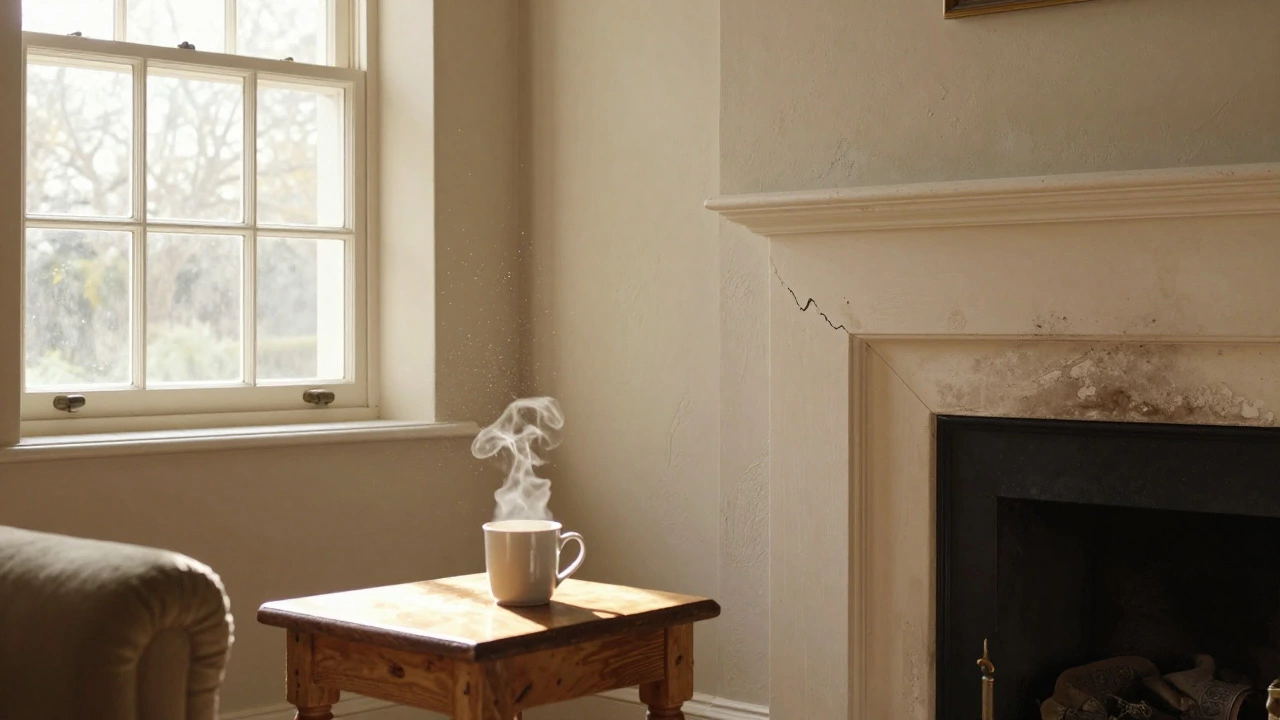
You wake up, make your morning coffee, and notice a thin line running down the plaster near the fireplace. It wasn’t there yesterday. Panic sets in. Is the house falling apart? Do you need to evacuate? If you own a century-old property, this is a common moment of dread. But here is the short answer: yes, it is completely normal for a 100-year-old house to have cracks. In fact, if an old house has no cracks, that might be more suspicious.
The key isn't just seeing a crack; it's understanding what kind of crack it is. A hairline fracture in the plaster tells a very different story than a jagged split in the brickwork. To keep your home safe and your wallet intact, you need to learn how to read these signs. We will break down why old houses move, which cracks are cosmetic annoyances, and which ones signal a serious structural emergency.
Why Old Houses Move (And Why That’s Okay)
To understand cracks, you first have to understand how a house ages. A building constructed a century ago is not a static object. It breathes, shifts, and settles. Modern homes use steel reinforcement and rigid concrete foundations that resist movement. Older homes, however, were built with materials that flex. Timber frames, lime mortar, and brickwork allow for natural expansion and contraction.
Differential Settlement is the uneven sinking of a building's foundation into the ground over time. This is the primary reason most cracks appear in older properties. When a house was first built, the soil beneath it compacted under the new weight. Over decades, this process continues slowly. One corner of the house might sink slightly faster than another due to changes in soil moisture or tree roots nearby. This slight shift puts stress on the walls, causing them to crack as they adjust to their new position.
Think of it like your body after a long day. You might feel stiff or sore because your muscles adjusted to your posture. The house feels "stiff" too. These micro-movements are part of the building’s life cycle. Unless the movement is rapid or extreme, the structure remains sound. The cracks are simply the visible record of that history.
Identifying Safe Cracks: The Cosmetic List
Not all cracks are created equal. Most of the lines you see in an old home are purely cosmetic. They affect the look of the room but do nothing to compromise the safety of the structure. Here is how to spot the harmless ones:
- Hairline Cracks: These are thin, barely visible lines, usually less than 1mm wide. They often appear in plaster or drywall. They are caused by minor shrinkage of the plaster as it dries or settles. You can fix these with a bit of filler and paint.
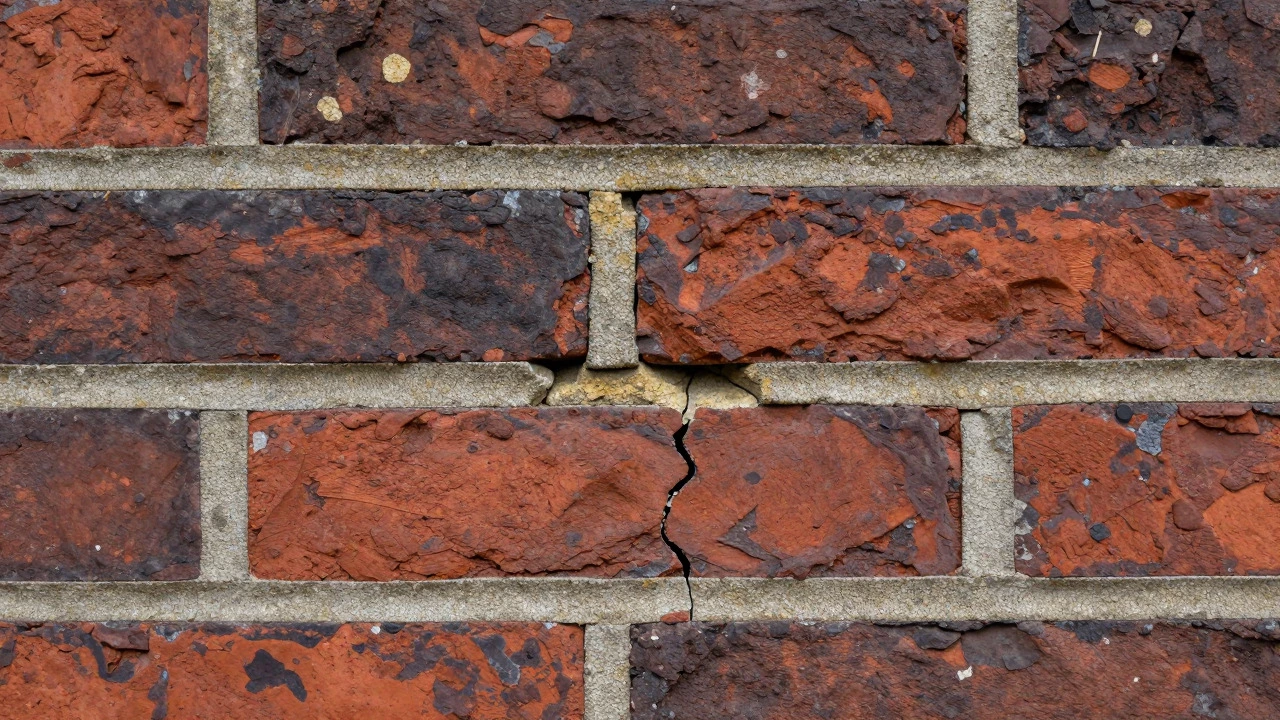
- Stair-Step Cracks in Brick: If you see a crack following the mortar joints between bricks (looking like stairs), but the gap is small and consistent, it is likely just thermal expansion. Bricks expand when hot and contract when cold. The flexible lime mortar used in old houses absorbs some of this, but sometimes it leaves a mark.
- Plasterboard Joints: If the house was renovated in the last few decades, cracks along the seams of new plasterboard are common. This is usually a finishing issue from the renovation, not a problem with the original 100-year-old structure.
If the crack is vertical, horizontal, or diagonal but stays within the plaster and doesn't widen significantly over months, you can generally ignore it structurally. Monitor it, sure, but don’t lose sleep over it.
Red Flags: Cracks That Demand Action
Now, let’s talk about the scary stuff. While most cracks are benign, some indicate that the foundation is failing or the load-bearing capacity of the walls is compromised. You need to call a professional if you see any of these signs:
- Width Matters: Any crack wider than 3mm (about the thickness of a coin) needs attention. Use a ruler or a credit card to measure. If it fits easily, take note.
- Rapid Growth: Mark the ends of a crack with a pencil and date it. Check back in two weeks. If the crack has extended noticeably, the movement is active. Active movement is bad. Static cracks are historical.
- Diagonal Cracks at Corners: Cracks that run diagonally from the corners of doors or windows are classic signs of subsidence. The frame of the window or door is shifting relative to the wall around it. This suggests one part of the house is dropping lower than the other.
- Horizontal Cracks in Foundation Walls: If you have a basement or cellar, check the masonry walls. Horizontal cracks here suggest pressure from the outside soil pushing inward. This can lead to bowing walls, which is a serious structural risk.
- Sticking Doors and Windows: If your doors suddenly won’t latch or windows jam, the frame has twisted. This is a physical symptom of the same shifting that causes cracks. It’s a practical test for structural integrity.
If you spot these, stop DIY fixes. Call a structural engineer. They will assess whether you need underpinning (reinforcing the foundation) or just monitoring.
| Crack Type | Appearance | Likely Cause | Action Required |
|---|---|---|---|
| Hairline Vertical | Thin, straight line in plaster | Settlement or drying shrinkage | Cosmetic repair only |
| Stair-Step | Folows mortar joints in brick | Thermal expansion or minor settling | Monitor width; repoint if loose |
| Diagonal at Openings | Runs from corners of doors/windows | Subsidence or differential settlement | Consult structural engineer |
| Wide Horizontal | Broad crack in basement/foundation | Lateral soil pressure | Urgent structural assessment |
The Role of Materials: Lime vs. Cement
One major factor in how old houses crack is the type of mortar used. Before the mid-20th century, builders used Lime Mortar, which is a flexible binding material made from limestone, water, and sand. Lime is softer and more permeable than modern cement. It allows moisture to escape from the walls and moves slightly with the timber frame.
Many homeowners, trying to "fix" old cracks, use hard Portland cement mortar. This is a mistake. Cement is rigid and impermeable. When you patch a soft lime wall with hard cement, you create a weak point. The surrounding lime moves, but the cement doesn’t. The result? New cracks form right next to your repair. Always match the repair material to the original. For a 100-year-old house, that means using lime-based products for pointing and rendering.
External Factors: Trees and Drainage
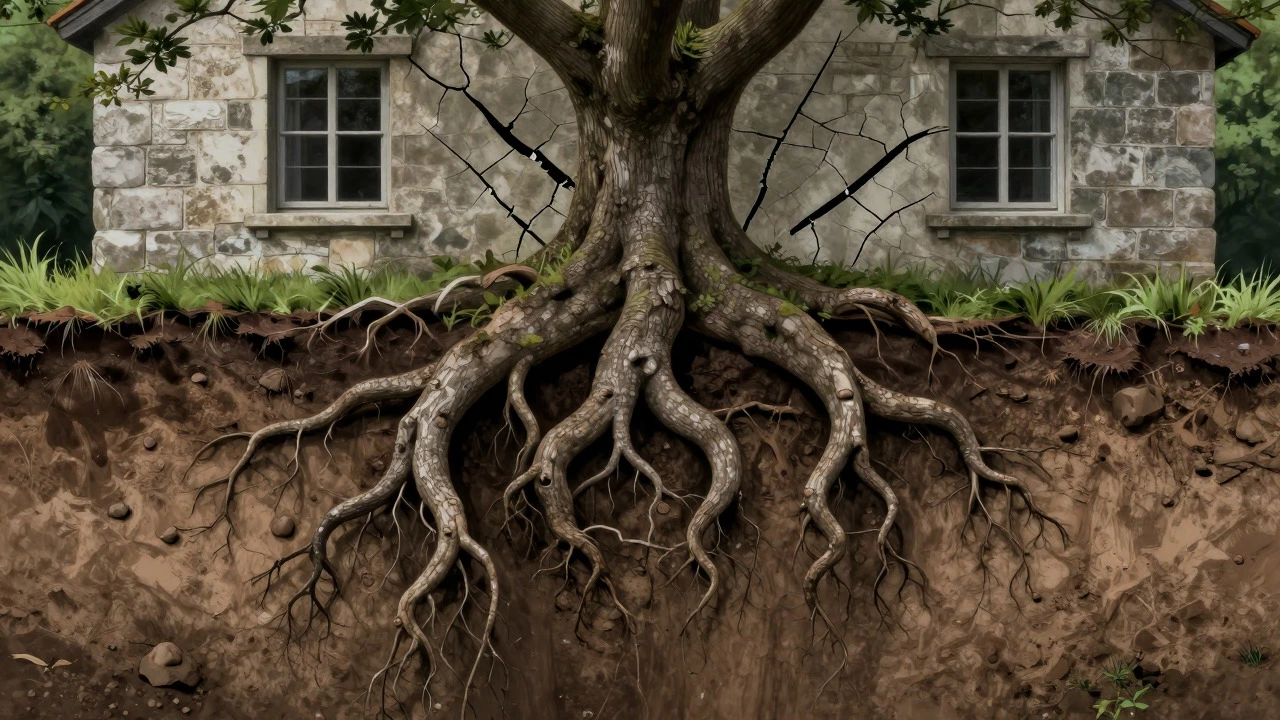
Sometimes the problem isn’t the house itself, but what’s happening around it. Tree roots are notorious for causing subsidence. Large trees absorb massive amounts of water from the soil. If a large oak or maple is planted close to your foundation, its roots can dry out the clay soil beneath the house. As the soil shrinks, the ground drops, and the house sinks with it.
Check your drainage too. Gutters that overflow during rain pour water directly onto the foundation. In regions with clay soil, this constant wetting and drying cycle causes the ground to swell and shrink repeatedly. This heaving action stresses the foundation. Ensure your gutters are clear and downspouts direct water at least six feet away from the house.
When to Call a Professional
You don’t need an engineer for every scratch on the wall. But you do need one if you are buying an old property or if you see the red flags mentioned earlier. A surveyor will look for:
- Levelness of floors and ceilings.
- Alignment of door and window frames.
- Evidence of previous repairs (like steel beams inserted to support walls).
- Soil conditions around the perimeter.
In London and much of England, clay soil is common, making subsidence a frequent concern. Surveyors here are well-versed in spotting these issues. Don’t skip the structural survey when buying a period property. It saves thousands in potential repairs later.
Maintaining Your Historic Home
Prevention is better than cure. Regular maintenance keeps small problems from becoming big ones.
- Keep Gutters Clean: Prevent water accumulation near the foundation.
- Manage Vegetation: Trim branches and consider removing large trees too close to the house.
- Repair Pointing: Fix loose mortar before water gets inside the brickwork.
- Monitor Existing Cracks: Keep a log. Take photos once a year to compare changes.
Living in a 100-year-old home is a partnership. The house shows you its age through cracks and quirks. By understanding the difference between character flaws and structural failures, you can maintain your home confidently without unnecessary fear.
How wide does a crack have to be to worry?
Generally, cracks wider than 3mm (roughly the width of a standard coin) should be investigated by a professional. Cracks smaller than this are usually cosmetic, especially if they are stable and not growing. However, even a small crack warrants attention if it is accompanied by sticking doors or windows.
Do hairline cracks in plaster mean the foundation is moving?
Not necessarily. Hairline cracks in plaster are often caused by the drying and shrinking of the plaster itself or minor thermal movements. They are rarely indicative of significant foundation movement unless they are widespread, rapidly appearing, or connected to larger structural cracks in the masonry.
Can tree roots really cause my house to crack?
Yes, especially in areas with clay soil. Large trees absorb water from the ground, causing the soil to shrink and settle. This can lead to subsidence, where the foundation sinks unevenly, resulting in diagonal cracks around windows and doors. Managing vegetation near your home is a key preventive measure.
Should I use cement or lime to repair cracks in an old house?
For a 100-year-old house, you should almost always use lime-based mortar. Traditional buildings were constructed with lime, which is flexible and breathable. Hard cement traps moisture and creates rigid patches that can cause further cracking in the surrounding softer masonry. Matching the original material preserves the building's integrity.
Is it expensive to fix structural cracks?
It depends on the severity. Simple repointing or filling may cost a few hundred pounds. Structural repairs, such as underpinning a foundation to stop subsidence, can cost tens of thousands. This is why early detection is crucial. Monitoring small cracks and addressing drainage issues early can prevent costly major repairs later.