Construction Sector Classifier
Answer the questions below to identify the primary discipline required for your project. This tool helps you avoid hiring the wrong team by analyzing funding sources, objectives, and materials.
Key Indicators:
You walk past a new office block in Canary Wharf and then drive over the M25 bridge extension. Both involve cranes, concrete, and hard hats. But are they the same thing? Most people lump them together under "construction," but in the industry, civil engineering and commercial construction are distinct disciplines with different goals, materials, and risks. If you're planning a project or just curious about who builds what, understanding this split saves you from hiring the wrong team.
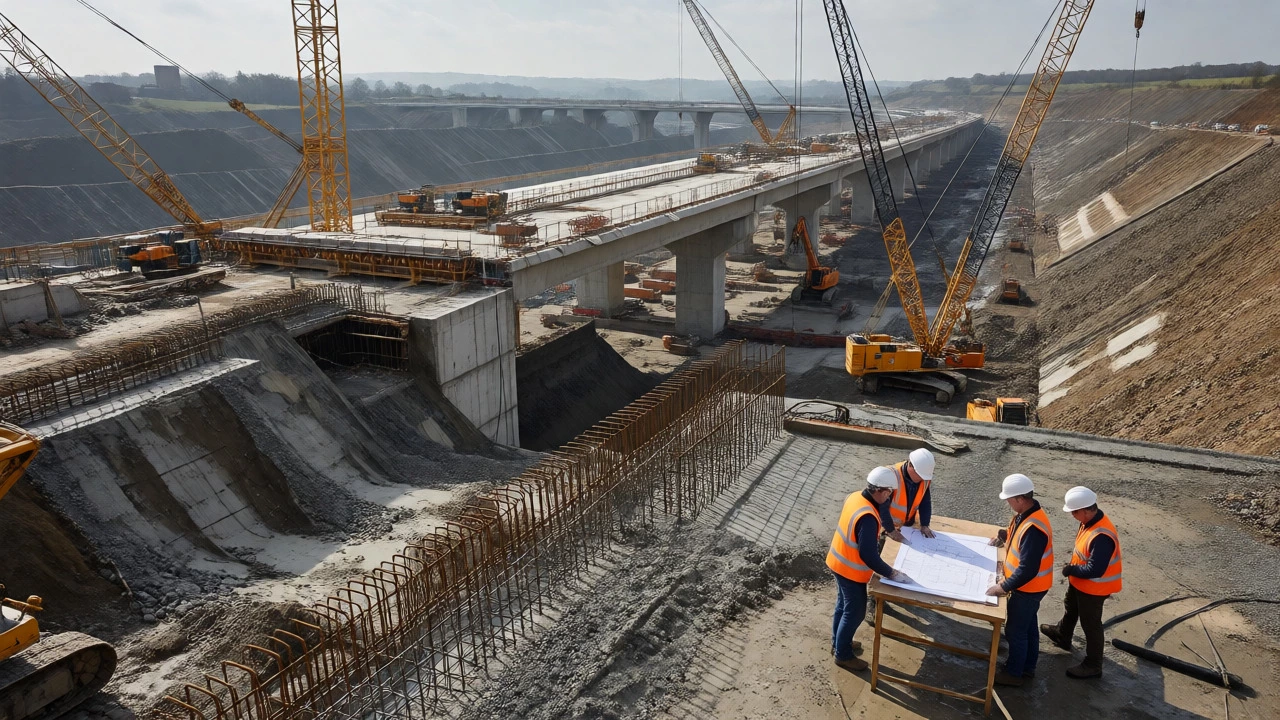
The confusion usually stems from the overlap. A shopping centre needs roads (civil) and stores (commercial). But the core focus differs sharply. Civil engineering is about public infrastructure and land development. Think bridges, dams, sewage systems, and highways. It’s heavy, large-scale, and often funded by the government. Commercial construction focuses on buildings for business use-offices, retail spaces, hotels, and factories. It’s about creating functional, profitable spaces for private clients.
What Exactly Is Civil Engineering?
Civil engineering is the oldest branch of engineering after military engineering. It deals with the design and maintenance of the physical environment. When you see a massive tunnel boring machine chewing through London clay, that’s civil work. The primary goal here isn't to house people directly, but to connect places and manage resources.
Infrastructure projects like HS2 or local water treatment plants fall squarely into this category. These projects require deep geotechnical analysis. You aren't just pouring a slab; you're ensuring the ground beneath won't shift when ten thousand cars cross a bridge daily. Civil engineers spend months calculating load-bearing capacities and drainage flows before a single shovel hits the dirt.
Key characteristics of civil work include:
- Public Benefit: Most projects serve the general population rather than a specific tenant.
- Heavy Earthworks: Excavation, embankments, and foundation piling dominate the early phases.
- Regulatory Heavy: Environmental impact assessments and public consultation are standard hurdles.
Defining Commercial Construction
Switch gears to commercial construction. Here, the client is usually a corporation, developer, or franchise owner. The end product is a building designed to generate revenue. An office tower in the City of London isn't built for public transit; it's built to lease space to law firms and banks.
Commercial builders focus on vertical structures. While they need strong foundations, their expertise lies in steel framing, HVAC systems, interior fit-outs, and aesthetic finishes. Speed matters more here than in civil works because time is money. Every day a retail unit sits empty is lost rent. Consequently, commercial projects often run on tight schedules with aggressive penalties for delays.
Common commercial projects include:
- Office complexes and corporate headquarters.
- Retail malls and standalone high-street shops.
- Hospitals, schools, and universities (often called institutional, but grouped with commercial).
- Warehouses and logistics hubs.
The Material Difference: Concrete vs. Steel and Glass
Let’s look at the actual stuff being used. Civil engineering relies heavily on reinforced concrete and earth-moving equipment. Why? Because bridges and tunnels need mass and durability against weather and traffic vibration. A dam doesn't care about how pretty the lobby looks; it cares about not leaking for fifty years.
| Feature | Civil Engineering | Commercial Construction |
|---|---|---|
| Primary Materials | Concrete, Asphalt, Soil, Rock | Steel, Glass, Drywall, Timber |
| Main Objective | Functionality & Durability | Aesthetics & Profitability |
| Client Type | Government / Public Sector | Private Companies / Developers |
| Lifespan Focus | 50-100+ Years | 20-30 Years (Renovation cycles) |
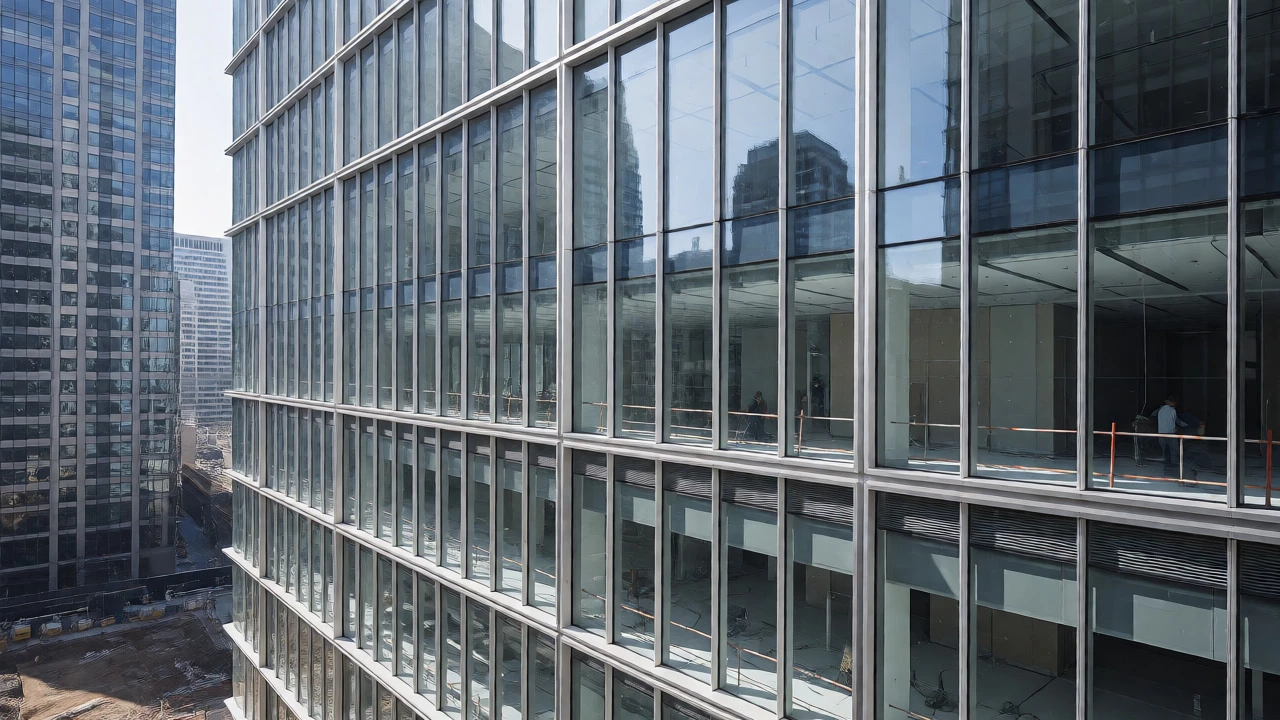
In contrast, commercial construction loves steel and glass. Steel frames allow for open floor plans and faster assembly. Glass facades attract tenants and let in natural light, which boosts employee productivity. You’ll also see extensive use of MEP (Mechanical, Electrical, Plumbing) systems. In an office block, the plumbing isn't just for toilets; it’s for complex kitchenettes, server room cooling, and fire suppression systems that must meet strict safety codes.
Who Hires Whom? Funding and Ownership
This is where the legal and financial lines blur. Civil projects are typically publicly funded. Taxpayer money pays for the new ring road or the expanded sewer network. This means the approval process involves city councils, environmental agencies, and sometimes national oversight. Bidding for these contracts requires proving you can handle massive budgets and long timelines without going bankrupt.
Commercial projects are privately funded. A developer takes out a loan or uses equity to build a mixed-use complex. They answer to investors and future tenants, not the voting public. This changes the risk profile. If a commercial building fails to attract tenants, the developer loses money. If a civil bridge collapses due to poor design, the entire region suffers economic paralysis.
Because of this, the procurement methods differ. Civil contracts often use NEC (New Engineering Contract) forms, which emphasize collaboration and early warning notices. Commercial projects frequently rely on JCT (Joint Contracts Tribunal) agreements, which are more traditional and focused on clear scope definition and fixed prices.
Project Lifecycle and Team Structure
Ever wonder why your local council takes three years to fix a pothole while a new Starbucks opens in six months? It’s the lifecycle difference. Civil projects start with years of feasibility studies. You need to know if the soil can hold the weight, if there are archaeological finds, and if the environmental impact is acceptable. Then comes detailed design, permitting, and finally, construction.
Commercial projects move faster. The architect designs the building, the contractor bids, and site prep begins almost immediately. However, commercial teams face intense pressure to finish interiors. Civil teams rarely worry about carpet choices or paint colours. Their headaches are about groundwater levels and traffic management plans during construction.
The team structure reflects this too. A civil project might have a lead structural engineer specializing in hydraulics or geotechnics. A commercial project will have a project manager focused on supply chain logistics and subcontractor coordination. You need different experts for different problems.
Where They Overlap: The Hybrid Projects
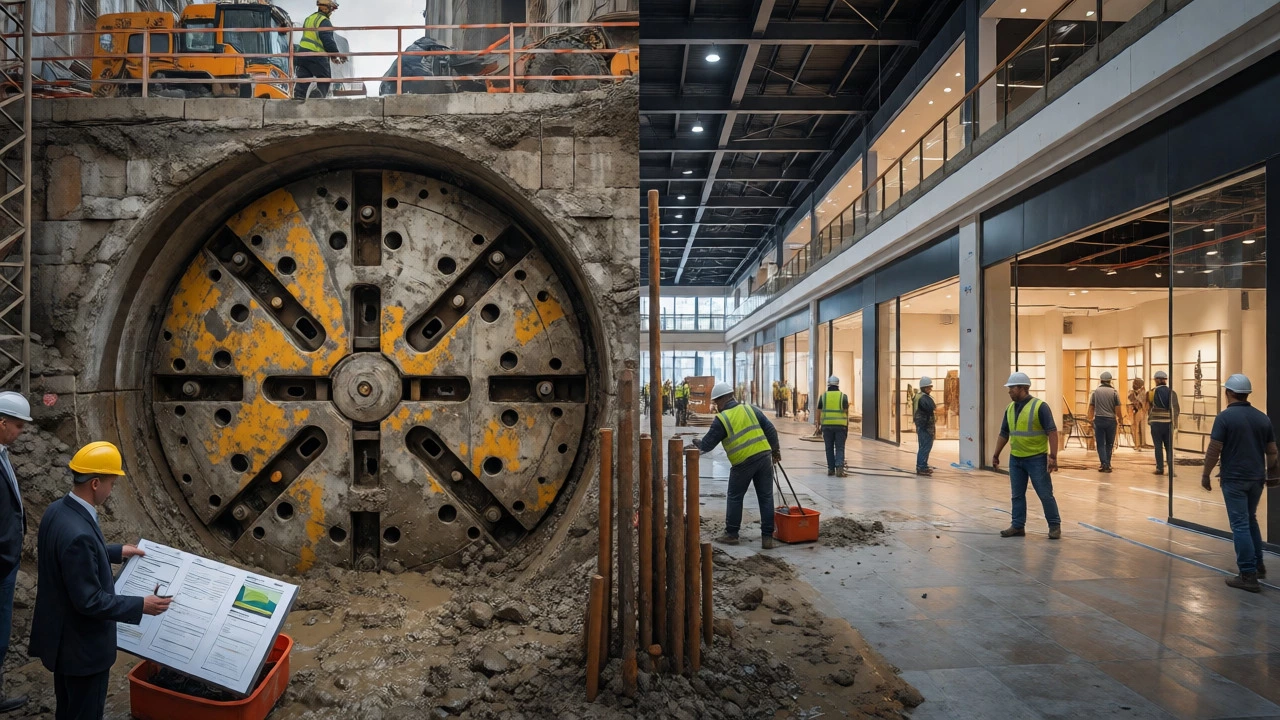
It’s not always black and white. Large developments often need both. Imagine building a new airport terminal. The runway expansion and taxiway lighting are civil works. The terminal building itself, with its check-in desks and duty-free shops, is commercial construction. In these cases, civil contractors and commercial builders work side-by-side.
Residential construction is another grey area. While technically separate, many residential developers hire commercial builders for the apartment blocks and civil engineers for the surrounding roads and utilities. Understanding this hybrid nature helps if you’re managing a large estate. You don’t want your commercial builder trying to lay the main drainage pipes-they might lack the heavy plant machinery required for deep trenching.
Why Does This Matter For Your Project?
If you’re a property owner looking to expand, knowing the difference prevents costly mistakes. Hiring a commercial contractor to build a retaining wall might result in a structure that looks good but fails structurally within five years because they didn’t account for lateral earth pressure properly. Conversely, hiring a civil firm to fit out your office lobby might leave you with a robust but ugly space lacking the finish quality you paid for.
Check the contractor’s portfolio. Do they show pictures of bridges and sewers? Or do they show lobbies and storefronts? Ask about their experience with specific regulations. Civil work requires knowledge of Highways Act and Water Industry standards. Commercial work demands familiarity with Building Regulations Part L (energy efficiency) and accessibility laws.
Ultimately, the line between civil and commercial is drawn by purpose. One builds the skeleton of society; the other puts flesh on the bones. Respecting that distinction ensures your project gets the right expertise, stays within budget, and lasts as long as intended.
Is residential construction considered commercial?
No, residential construction is its own category. It involves building homes for individuals. While some skills overlap with commercial work (like bricklaying), residential projects have different scales, financing models, and regulatory requirements compared to commercial offices or retail spaces.
Can a civil engineer work on commercial buildings?
Yes, absolutely. Structural engineers (a subset of civil engineering) are essential for any large commercial building. They calculate the loads for skyscrapers and ensure the steel frame can support the floors. However, they usually work alongside architects and commercial contractors rather than leading the entire build themselves.
Which sector pays more, civil or commercial construction?
Salaries vary by role and location. Generally, specialized civil engineering roles (like offshore wind farm engineers) can command higher salaries due to technical complexity. However, senior project managers in large commercial developments in cities like London often earn comparable or higher wages due to the fast-paced, high-value nature of real estate.
Do civil construction projects take longer than commercial ones?
Usually, yes. Civil projects like motorways or rail links often span several years due to extensive planning, land acquisition, and environmental approvals. Commercial buildings, especially mid-rise offices, can be completed in 12-24 months because the focus is on rapid vertical construction and fitting out.
What happens if I hire the wrong type of contractor?
You risk poor outcomes. A commercial contractor might underestimate ground conditions, leading to foundation failures. A civil contractor might deliver a functionally sound but aesthetically basic finish that doesn't meet tenant expectations. Always vet contractors based on relevant past projects.