Civil vs Commercial Construction Classifier
Project Details
Analysis Results
Select your project characteristics and click classify to see the results.
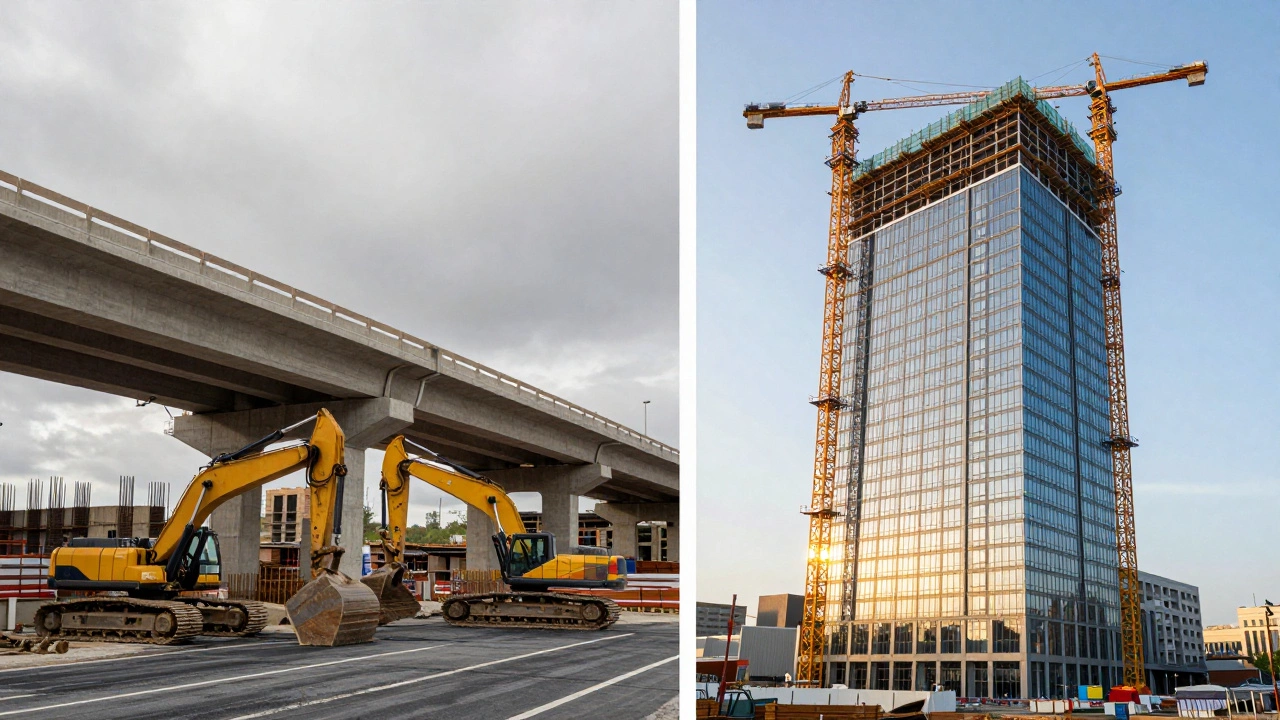
You walk past a half-built office tower on your morning commute. Steel beams rise against the sky, cranes swing heavy loads, and workers in high-vis vests coordinate complex logistics. Now imagine standing at the edge of a highway expansion project nearby. Heavy machinery rumbles, laying asphalt over miles of roadbed, while engineers monitor drainage systems designed to last decades. Both scenes involve construction, but they operate under entirely different rules, timelines, and objectives.
Understanding the difference between civil construction is the planning, design, and building of public infrastructure like roads, bridges, and utilities and commercial construction is the development of private-sector buildings such as offices, retail spaces, and hotels isn't just academic-it affects budgeting, hiring decisions, regulatory compliance, and risk management for anyone involved in the built environment.
The Core Purpose: Public Infrastructure vs Private Development
Civil construction serves the public good. It creates the backbone of modern society-transportation networks, water treatment plants, sewage systems, airports, and dams. These projects are typically funded by government agencies at local, state, or federal levels. The goal? Long-term durability and public safety over decades, often with minimal aesthetic consideration beyond functionality.
Commercial construction, on the other hand, focuses on profit-driven developments. Think shopping malls, corporate headquarters, apartment complexes, or restaurants. These projects answer market demands rather than civic needs. A developer might choose glass facades and open floor plans not because they’re more durable, but because tenants prefer them. Speed-to-market matters here; every day delayed costs money in lost rent or sales.
| Aspect | Civil Construction | Commercial Construction |
|---|---|---|
| Primary Goal | Public service & long-term infrastructure | Private profit & market responsiveness |
| Funding Source | Taxpayer funds, government bonds | Private investors, bank loans, equity |
| Typical Projects | Roads, bridges, tunnels, water mains | Office towers, retail centers, warehouses |
| Regulatory Focus | Environmental impact, public safety standards | Zoning laws, occupancy permits, fire codes |
| Timeline Pressure | Less urgent; phased delivery acceptable | High urgency; delays cost revenue |
| Aesthetic Priority | Low; function dominates form | Medium to high; branding and appeal matter |
Who Pays the Bill? Funding Models That Shape Everything
In civil construction, money flows from public coffers. Governments allocate budgets through legislative processes, often tied to election cycles or national priorities. This means funding can be stable-but also slow-moving. Bids must follow strict procurement rules designed to prevent corruption and ensure fair competition. Contractors compete based on price, experience, and technical capability, but rarely on creative design flair.
Commercial construction relies on private capital. Developers secure financing through banks, venture capitalists, or personal wealth. Their success hinges on return on investment (ROI). If a hotel won’t break even within five years, it doesn’t get built. This financial pressure drives faster decision-making, leaner teams, and aggressive scheduling. But it also introduces higher risk-if the market shifts, so does the project’s viability.
Consider this: when a city builds a new bridge, it may spend $50 million knowing taxpayers will repay that cost over 30 years via tolls or general funds. When a developer constructs a luxury condo block, they need to sell units quickly enough to cover construction loans plus interest. One model prioritizes societal benefit; the other prioritizes shareholder returns.
Design Philosophy: Function First vs Form Follows Market
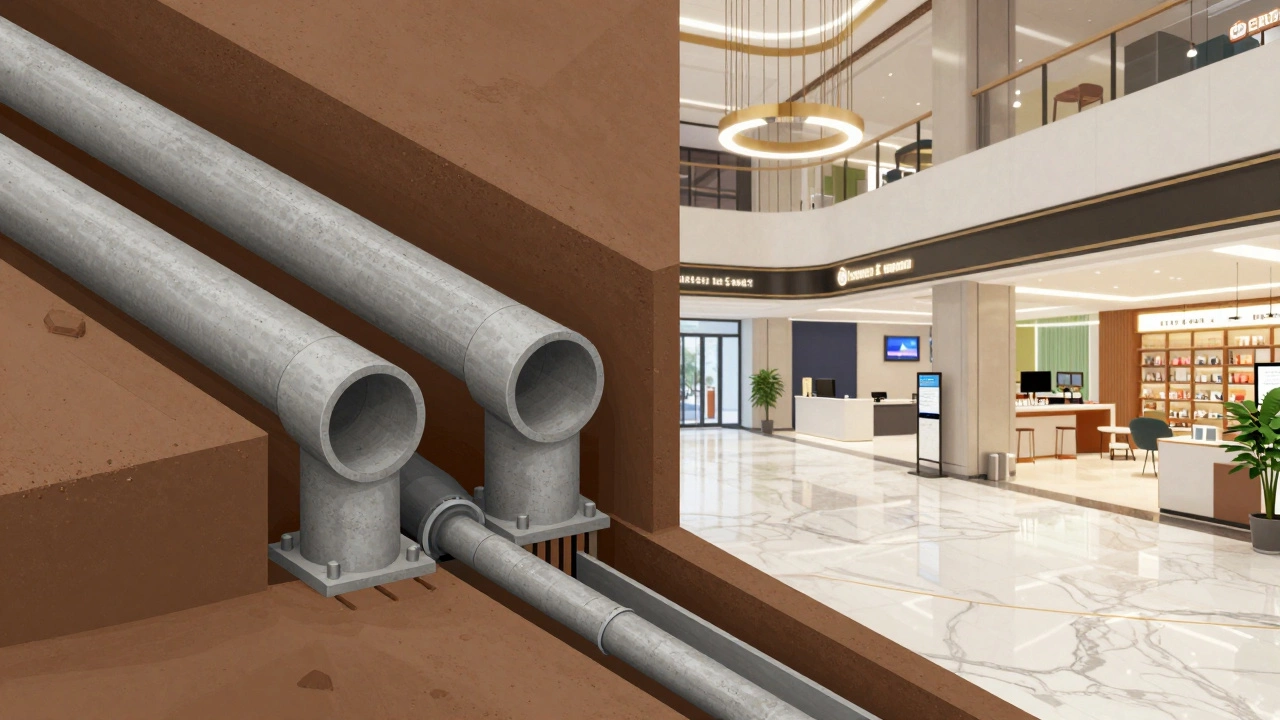
Civil engineers prioritize resilience. A sewer pipe buried underground must withstand soil pressure, chemical corrosion, and seismic activity without failing for 75+ years. Beauty plays little role unless visibility increases public acceptance-like sculptural railings on pedestrian bridges. Materials are chosen for longevity, not trendiness.
Commercial architects balance aesthetics with usability. An office building’s lobby might feature marble floors and custom lighting to impress clients. Retail stores use wide aisles and bright signage to boost foot traffic. Even industrial warehouses now incorporate green roofs and solar panels-not just for efficiency, but to attract eco-conscious tenants willing to pay premium rents.
This divergence shapes everything from material selection to labor specialization. Civil crews work with concrete mixes formulated for freeze-thaw resistance. Commercial carpenters install drywall ceilings that hide HVAC ducts while maintaining acoustic comfort. Neither approach is superior-they serve different masters.
Regulatory Landscape: Compliance Without Compromise
Both sectors face rigorous regulation, but their focus areas differ sharply. Civil construction falls under environmental protection agencies, transportation departments, and public works commissions. Permits require detailed studies on erosion control, wildlife disruption, and carbon emissions. Violations can halt entire projects indefinitely.
Commercial construction answers to zoning boards, fire marshals, health inspectors, and accessibility advocates. ADA compliance dictates ramp slopes and door widths. Fire sprinkler systems must meet NFPA standards. Historical districts impose additional constraints on exterior modifications. Non-compliance risks fines, lawsuits, or forced demolition.
Interestingly, some regulations overlap. Both types must adhere to OSHA workplace safety guidelines. Yet enforcement varies: civil sites often have larger inspection teams due to scale, while commercial projects rely more on self-certification by licensed professionals.
Project Lifecycle: From Blueprint to Handover
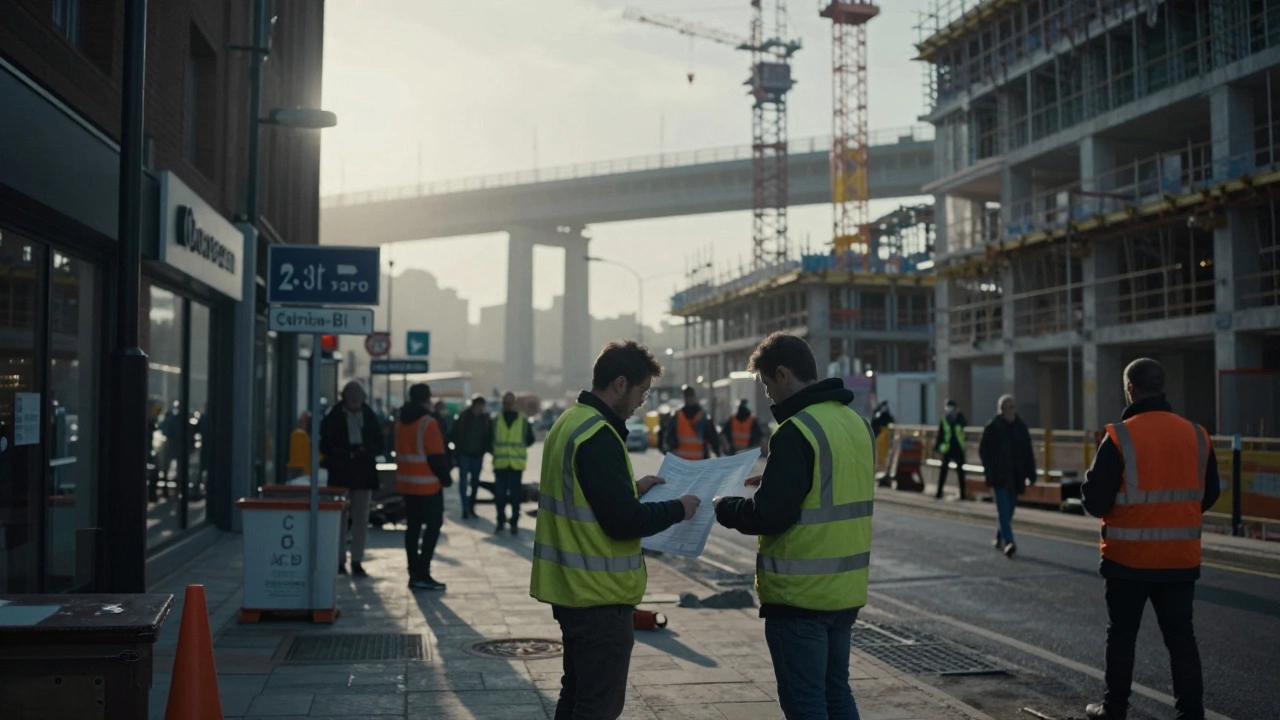
Civil projects unfold slowly. Planning phases can take three to seven years before ground breaks. Environmental assessments, community consultations, and political approvals create bottlenecks. Once construction begins, progress moves steadily but deliberately. Quality checks happen continuously, especially during critical stages like foundation pouring or joint sealing.
Commercial projects race against time. Pre-construction planning lasts months, not years. Design-build contracts allow simultaneous engineering and bidding. Fast-track methods compress schedules further-sometimes starting interior fit-outs before structural framing finishes. Delays trigger penalty clauses, making speed essential.
Handover differs too. Civil projects transition to maintenance departments equipped for ongoing repairs. Commercial buildings transfer to property managers focused on tenant satisfaction and lease renewals. Each endpoint reflects its origin story.
Why Does This Matter To You?
If you're investing in real estate, understanding these distinctions helps evaluate development risks. If you're hiring contractors, knowing which type specializes in your project prevents costly mismatches. For students entering the field, choosing between civil engineering and commercial architecture shapes career trajectories dramatically.
Even homeowners benefit indirectly. Poorly executed civil work leads to potholes and flooding. Shoddy commercial construction results in leaky roofs and inefficient energy use. Recognizing how each sector operates empowers better advocacy for quality outcomes.
Can one company handle both civil and commercial construction?
Yes, many large firms offer integrated services. However, expertise tends to specialize internally. A contractor strong in highway paving may lack experience installing elevator shafts or curtain walls. Always verify past performance in your specific project type.
Which sector offers better job stability?
Civil construction generally provides steadier employment since infrastructure spending continues regardless of economic downturns. Commercial construction fluctuates with housing markets and business confidence, leading to boom-bust cycles.
Are materials used in civil construction stronger than those in commercial?
Not necessarily stronger, but engineered differently. Civil applications demand resistance to weathering and load stress over long periods. Commercial materials emphasize ease of installation, appearance, and adaptability for future renovations.
How do I know if my project requires civil or commercial expertise?
Ask yourself: Is this serving the public directly (roads, parks, utilities)? Then it's likely civil. Is it generating income through leases or sales (shops, offices, homes)? That points toward commercial. Hybrid projects exist-like mixed-use developments combining parking garages (civil) with storefronts (commercial).
Do insurance requirements differ significantly?
Absolutely. Civil projects carry higher liability exposure due to public access and potential catastrophic failure modes. Policies often include extended warranties covering latent defects. Commercial policies focus more on business interruption coverage and third-party injury claims.