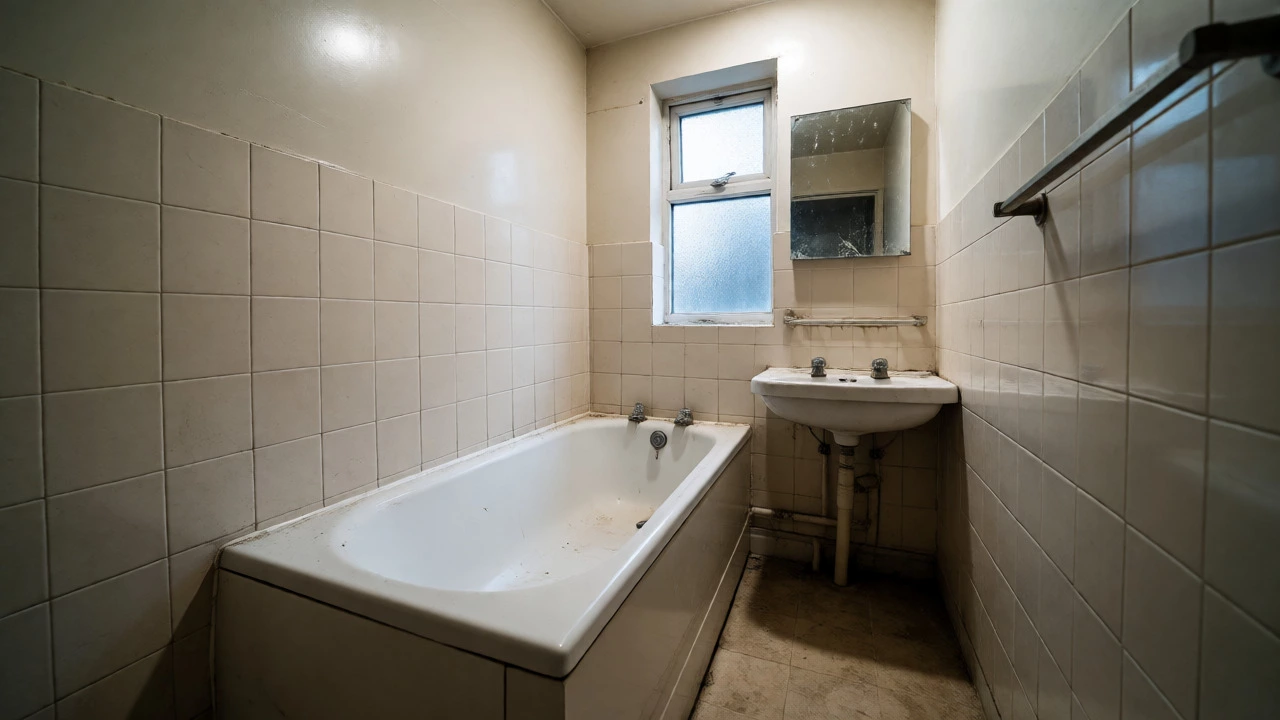
Bathroom Remodel Budget Calculator
Can you redo a bathroom for £4,000? Adjust the sliders below to see if your planned upgrades fit within this realistic budget cap.
Total Estimated Cost
Remaining Budget
£4,000
Based on a £4,000 ($5,000) limitYou see the glossy photos of marble-tiled spa retreats and assume a bathroom renovation is out of your price range. The average full remodel in the UK often hits £10,000 or more. But can you actually redo a bathroom for $5,000 (roughly £4,000)? Yes, but only if you treat it like a strategic surgery rather than a demolition derby.
This isn't about ripping out walls or moving plumbing. It's about maximizing visual impact while keeping structural costs near zero. If you are willing to swap labor for sweat equity and make smart material choices, a fresh, modern bathroom is entirely possible within this budget. Here is exactly how to pull it off without cutting corners that lead to leaks five years later.
The Reality Check: What $5,000 Actually Buys
Let's be clear about the scope. A $5,000 budget does not cover a complete gut job where you replace the subfloor, move the toilet drain, and rewire the electrics from scratch. That type of work usually requires professional tradespeople whose day rates alone will eat half your budget before you buy a single tile.
Instead, this budget targets a cosmetic refresh with functional upgrades. We are talking about replacing surface-level elements: paint, fixtures, lighting, vanity, and possibly one wall of tiling. If your current layout works and your plumbing is sound, you have a winning scenario. If you have mold behind the drywall or a cracked subfloor, you need to add at least £1,000-£1,500 to your contingency fund immediately.
| Category | Estimated Cost (£) | Strategy |
|---|---|---|
| Paint & Prep | £150 - £200 | High-quality moisture-resistant paint; DIY application. |
| Faucets & Showerhead | £300 - £400 | Buy mid-range brands (e.g., B&Q Housebrand or Grohe entry-level). |
| Vanity Unit | £400 - £600 | IKEA Godmorgon or similar flat-pack; assemble yourself. |
| Tiles (Feature Wall) | £300 - £500 | Ceramic over porcelain; limit to shower area or backsplash. |
| Flooring | £200 - £300 | Luxury Vinyl Tile (LVT) or peel-and-stick vinyl planks. |
| Lighting & Accessories | £200 - £300 | LED sconces, new mirror, towel rails. |
| Contingency | £500 | For unexpected repairs or price hikes. |
Keep the Layout: The Biggest Money Saver
Moving plumbing is the silent killer of budgets. Every inch you shift a toilet or sink requires hiring a plumber, breaking up concrete or timber floors, and potentially updating building regulations paperwork. In London, where labor costs are high, a simple pipe relocation can cost £500 per point. By keeping the existing footprint, you save thousands.
Ask yourself: Does the current layout annoy me daily? If the answer is no, leave it alone. Focus on making the existing space feel larger and cleaner. For example, swapping a bulky bathtub for a walk-in shower might seem appealing, but if the waste pipe is already there, keep the tub. Instead, upgrade the shower screen to a frameless glass panel. This instantly opens up the visual space for under £200.
DIY vs. Hiring: Where to Draw the Line
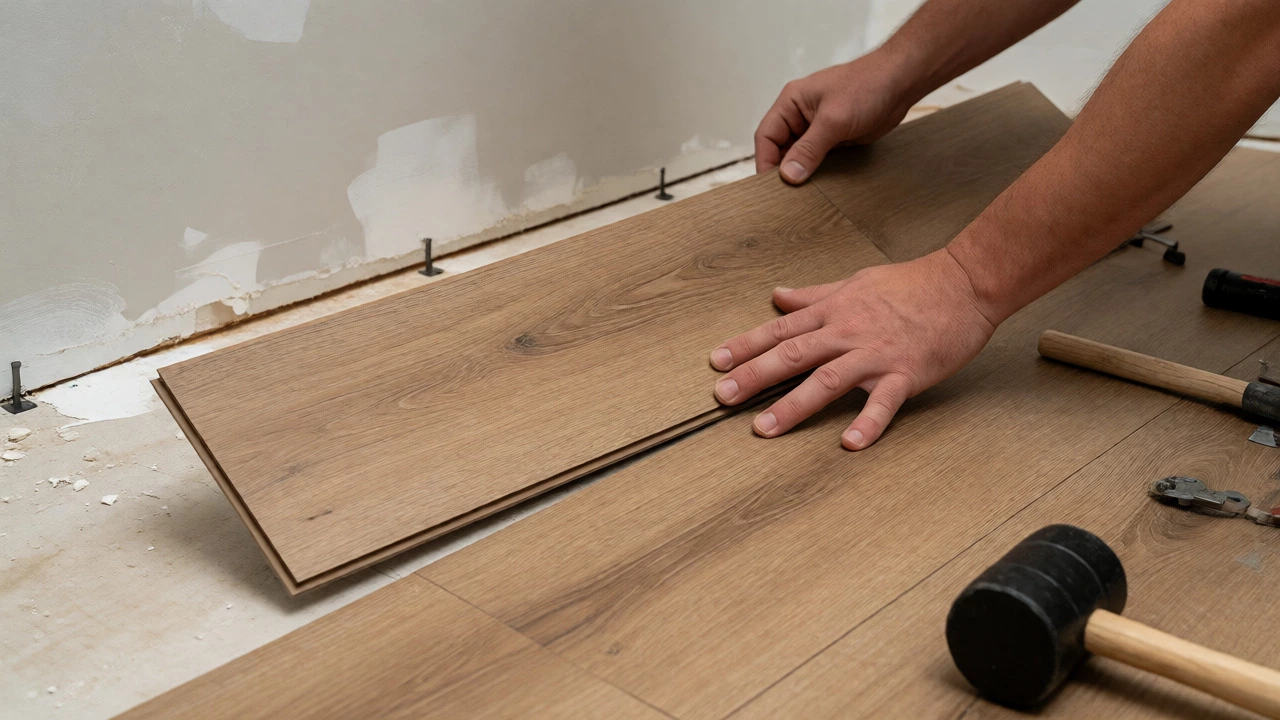
You cannot do everything yourself unless you are a skilled tradesperson. However, you should avoid paying professionals for tasks that require patience rather than expertise. Painting, installing a vanity, hanging mirrors, and laying click-lock flooring are perfect weekend projects.
- Do it yourself: Demolition of old fixtures (carefully), painting, caulking, installing accessories, assembling furniture, laying vinyl flooring.
- Hire a pro: Replacing the toilet seal if you suspect leaks, electrical work (must be certified Part P compliant in the UK), and complex tiling if you lack experience.
If you hire a handyman for a few hours to help with tricky connections, it’s worth every penny. But don’t hire a general contractor who marks up all materials by 20%. Buy your own supplies and pay for time, not markup.
Smart Material Choices: Look Good Without Breaking the Bank
Porcelain tiles are durable but expensive. Ceramic tiles offer 90% of the aesthetic appeal for 50% of the cost. Stick to standard sizes (like 30x30cm or 60x60cm) because large-format slabs require specialized tools and adhesive, increasing both material and labor costs.
Consider these specific swaps:
- Flooring: Skip real wood. Use Luxury Vinyl Plank (LVP). It’s waterproof, warm underfoot, and looks identical to oak in photos. Brands like Karndean or cheaper alternatives from Wickes offer great durability for around £20-£30 per square meter.
- Countertops: Solid surface quartz is pricey. Try laminate with an edge banding kit. Modern laminates mimic stone convincingly and resist water well if sealed properly at the seams.
- Paint: Don’t skimp here. Use Zinsser Perma-White or Dulux Kitchen & Bathroom paint. These are anti-mold and scrubable. A bad paint job peels in six months; a good one lasts years.
Lighting: The Cheapest Way to Change the Mood
Most rental properties come with a single harsh ceiling bulb. This flattens the room and makes shadows look unflattering. Lighting transforms a cheap bathroom into a boutique hotel vibe. You don’t need recessed downlights wired into the ceiling if that means chasing cables. Instead, use plug-in LED strip lights under the vanity cabinet. It adds ambient glow for £15.
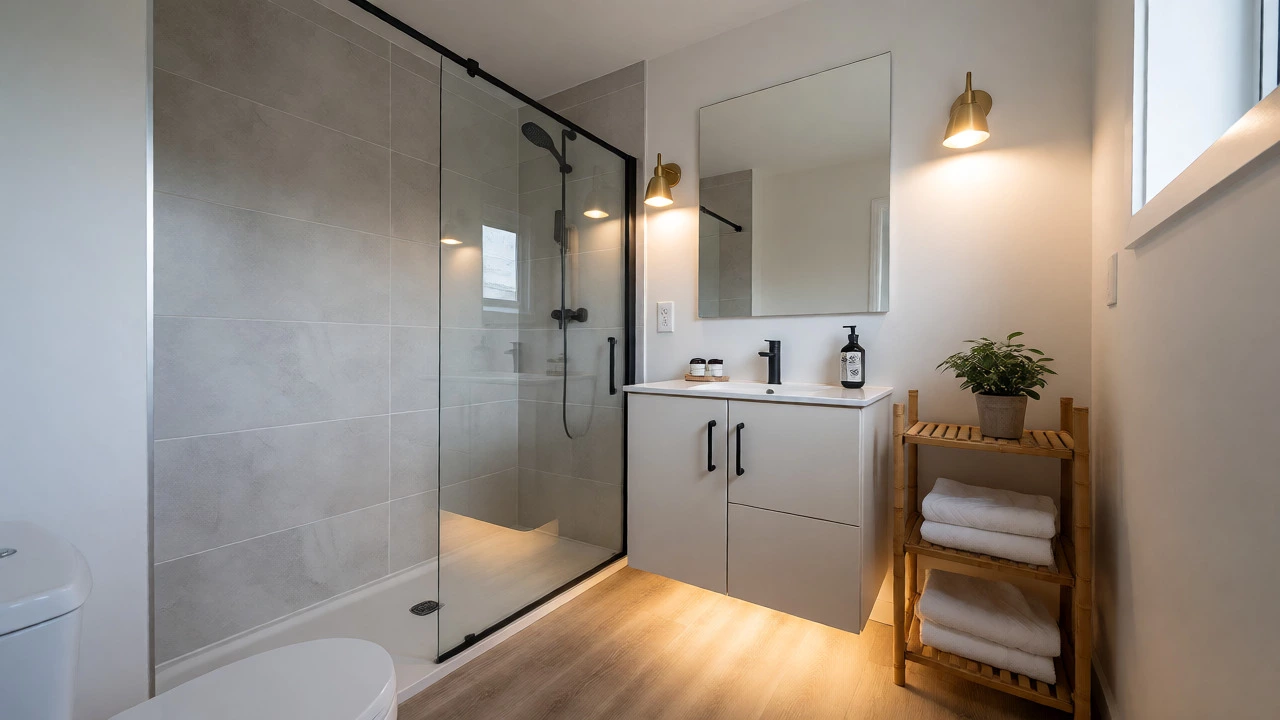
Add two wall-mounted sconces flanking the mirror. This eliminates facial shadows when shaving or applying makeup. Choose fixtures with IP44 rating minimum for safety zones. Look for brushed brass or matte black finishes-they hide fingerprints and water spots better than chrome.
Storage Solutions That Double as Decor
Clutter makes a small bathroom feel smaller. Built-in niches in showers are great but require brickwork skills. Instead, use freestanding shelving units made of bamboo or treated wood. They’re affordable, easy to install, and add warmth to cold ceramic surfaces.
Install floating shelves above the toilet. This utilizes dead space for towels and plants. Ensure anchors go into studs or use heavy-duty plasterboard fixings rated for wet environments. A £30 shelf unit holds toiletries neatly and keeps counters clear, which visually expands the floor area.
Pitfalls to Avoid on a Tight Budget
Don’t buy the cheapest faucet. Cheap taps leak within a year, causing water damage that costs ten times more to fix. Spend £100-£150 on reliable brands like Bristan or Vado. Similarly, never skip priming the walls before painting. Bathrooms are humid; unpainted plaster absorbs moisture and leads to blistering.
Another trap: ignoring ventilation. If your extractor fan is weak, mold will return regardless of how pretty your tiles are. Upgrade to a quiet, high-CFM fan if yours is noisy or ineffective. It’s a £50-£80 investment that protects your entire remodel.
Is $5,000 enough for a complete bathroom remodel?
It depends on the definition of "complete." For a cosmetic refresh involving paint, new fixtures, flooring, and a vanity, yes. For a full structural overhaul including moving pipes, rewiring, and replacing the subfloor, no. $5,000 covers a high-end DIY project with selective professional help for critical tasks.
What is the most expensive part of a budget bathroom remodel?
Labor is typically the highest cost if you hire professionals. To stay within $5,000, you must perform most tasks yourself. Among materials, custom cabinetry and large-format porcelain tiles are the biggest line items. Switching to flat-pack vanities and standard ceramic tiles significantly reduces costs.
Can I tile over existing tiles to save money?
Yes, using special tile-over-tile adhesives. This saves the labor and disposal costs of removing old tiles. However, ensure the existing tiles are firmly attached and level. You will lose some room depth, so check that doors still open and the toilet fits. Sanding the old glaze first improves adhesion.
How long does a $5,000 bathroom remodel take?
For a DIY enthusiast working weekends, expect 4-6 weeks. Professional contractors might finish in 1-2 weeks, but their fees would exceed the budget. Key delays often occur waiting for materials to arrive or drying time for paint and grout. Plan for one week of disruption per major phase.
Does a budget bathroom remodel increase home value?
Modestly. While it won't yield a 100% ROI like a kitchen remodel, a clean, modern bathroom prevents buyers from deducting "renovation costs" from their offer. It improves marketability significantly compared to an outdated, dated bathroom. Focus on neutral colors and durable finishes to appeal to the widest audience.