
Construction Wealth Calculator
How Your Business Grows
The article shows top contractors build wealth through systems, not just labor. This calculator shows how your revenue, margins, and assets compound into real wealth.
Every year, thousands of people start construction companies. Most fail within five years. But a small fraction? They become millionaires. Not by luck. Not by getting rich off one big job. They build systems, manage risk, and scale smartly. If you're wondering if construction can make you a millionaire, the answer isn't yes or no-it's how.
It’s Not About Laying Bricks
Most people picture construction as hard labor: lifting steel, pouring concrete, working 12-hour days in the rain. That’s one part of it. But the millionaires? They don’t spend their days holding a trowel. They spend their days managing people, negotiating contracts, and controlling cash flow. The real money isn’t in doing the work-it’s in owning the business that delivers the work.
Take a small residential remodeler in Texas. In 2024, they made $450,000 in revenue. After payroll, materials, insurance, and equipment, they cleared $90,000. That’s solid. But if they hire a project manager, standardize their process, and start doing three projects a month instead of one, they hit $1.5 million in revenue. With better margins and less waste, their net profit jumps to $300,000. That’s not a millionaire yet-but it’s the foundation.
Scale Through Systems, Not Just Workers
One crew, one foreman, one truck. That’s how most small contractors operate. And that’s why they hit a ceiling at $500,000 to $700,000 in revenue. To break past that, you need systems.
- Standardized estimating software that cuts bid errors by 40%
- Pre-vetted subcontractor networks that reduce delays
- Clear payment terms tied to project milestones
- Client onboarding templates that cut admin time by half
Companies that do this consistently earn 2.5x more profit than those that don’t. A 2023 survey by the National Association of Home Builders found that contractors using digital project management tools had 32% higher net margins. It’s not about working harder. It’s about working smarter.
Commercial Work Pays More-But It’s Riskier
Residential remodels are steady. Commercial projects? They’re bigger, faster, and pay more. A single office renovation can bring in $500,000 to $2 million. A warehouse build? $5 million or more.
But here’s the catch: commercial clients demand perfect timing, strict compliance, and heavy bonding. You need insurance limits of $5 million or more. You need to pass pre-qualification checks. And if you miss a deadline, you’re on the hook for liquidated damages-sometimes tens of thousands of dollars per day.
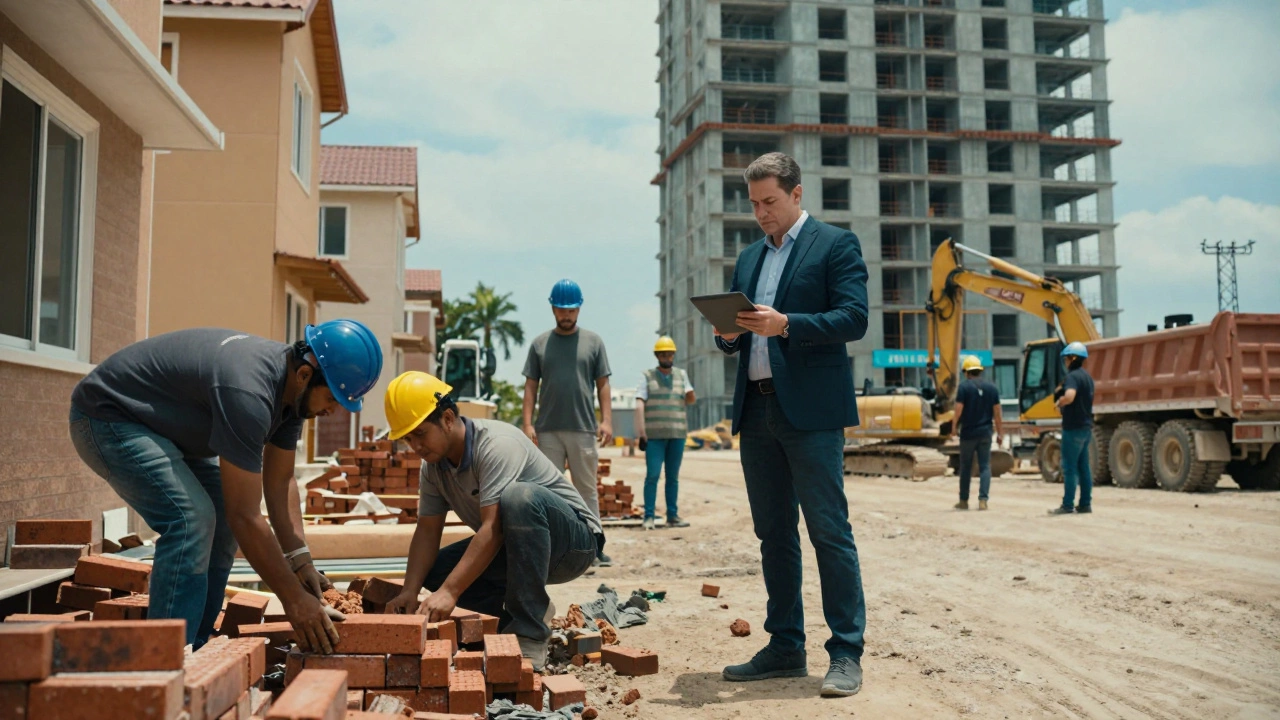
That’s why most small contractors avoid it. But the ones who make it? They start small. A single retail tenant build-out. Then two. Then a strip mall. They build a track record. Then they bid on larger jobs. One contractor in Atlanta went from $300,000 residential jobs to $3 million commercial projects in four years. Their net profit? $600,000 in year four. They’re on track to hit $1 million in annual net profit by 2026.
Profit Margins Are Higher Than You Think
Most people assume construction is low-margin. That’s true for bad operators. But top performers? They run 15% to 25% net margins. How?
- They control materials. Buying in bulk, negotiating with suppliers, using just-in-time delivery.
- They avoid change orders. Clear contracts, detailed scopes, and client education reduce scope creep.
- They don’t chase low-ball bids. They focus on clients who value quality and reliability.
In 2024, the average residential remodeler had a net margin of 8.3%. But the top 10%? They hit 22%. That’s not magic. That’s discipline. One company in Ohio raised their prices by 18% in 2023-not because they had to, but because they could. Their clients stayed because they delivered on time, every time. They didn’t lose business. They gained referrals.
The Hidden Wealth Builders: Equipment and Land
Here’s what most people miss: the real long-term wealth in construction isn’t just in profit-it’s in assets you own.
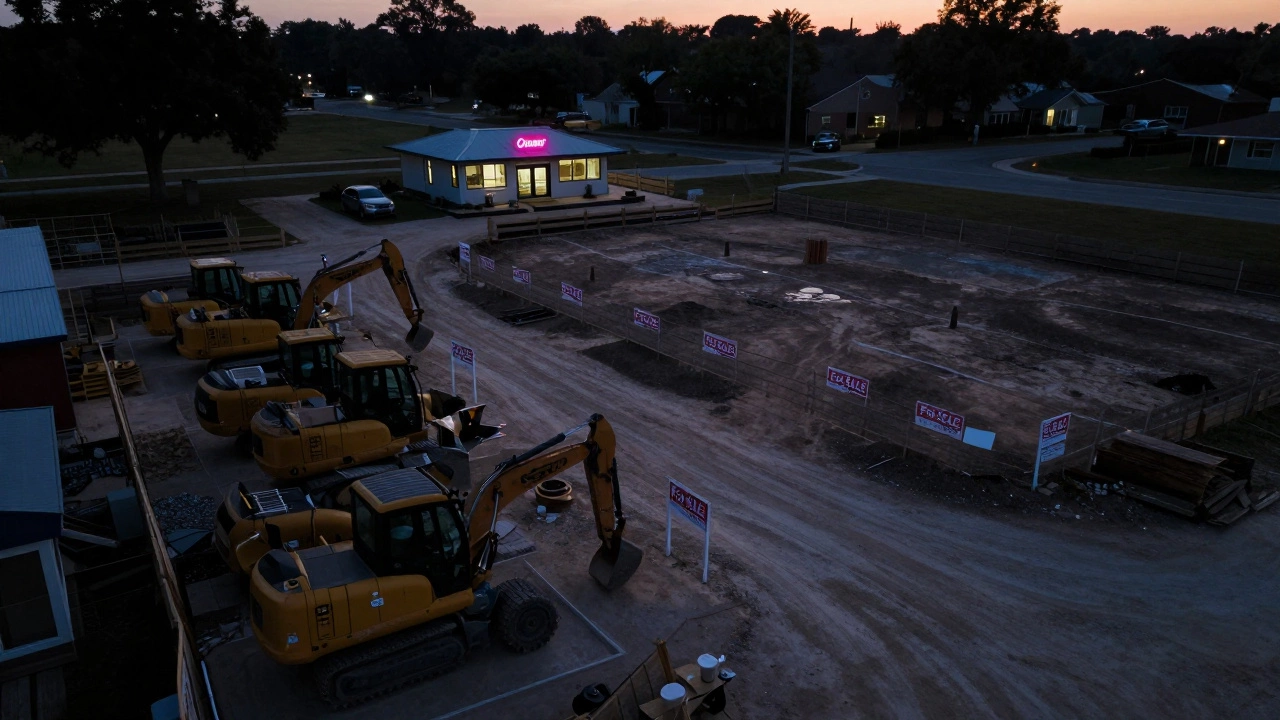
Think about it. A $120,000 excavator. You buy it, use it for five years, then sell it for $45,000. That’s depreciation. But what if you buy three? You rent them out to other contractors when you’re not using them. Now you’re making $2,000 a month per machine. That’s $6,000 in passive income. Add a dump truck, a crane, a fleet of work vans. You’re not just a contractor. You’re a rental business.
And land? Contractors who buy underdeveloped lots, get them permitted, and sell them to builders? They’re making 30% to 50% returns on investment. One firm in Florida bought five vacant lots for $200,000 total. They got approvals, cleared debris, installed temporary fencing and signage. Sold them six months later for $1.1 million. No construction work. Just knowledge, timing, and relationships with local planners.
It Takes Time-But Not What You Think
Some say you need 10 years to build a million-dollar construction business. That’s outdated. With the right strategy, you can do it in five.
Here’s the timeline one real company followed:
- Year 1: Start as a solo remodeler. Net profit: $60,000.
- Year 2: Hire first project manager. Revenue hits $800,000. Net profit: $140,000.
- Year 3: Add commercial side. Land one $1.2M project. Net profit: $320,000.
- Year 4: Buy equipment. Start renting. Add $80,000 in passive income.
- Year 5: Sell one developed lot. Net gain: $250,000.
Total net worth by year five: $1.1 million. Not from one big win. From consistent execution, smart asset building, and avoiding the trap of overextending.
Who Should Stay Out
Not everyone should get into construction to get rich. If you’re looking for quick cash, you’ll get burned. If you hate managing people, you’ll hate this business. If you can’t handle cash flow gaps-where you pay your crew before the client pays you-you’ll run out of money.
The people who succeed? They’re not the loudest. They’re the most consistent. They track every dollar. They say no to bad jobs. They invest profits back into systems, not luxury trucks or boats. They treat their business like a machine-and they tune it every quarter.
What’s Stopping You?
You don’t need a degree. You don’t need millions in capital. You don’t need to be the best carpenter. You need:
- A clear plan to scale beyond one crew
- Discipline to reinvest profits
- Willingness to learn systems, not just skills
- Relationships with reliable subcontractors and suppliers
- Patience to let compounding work
Construction doesn’t make you a millionaire overnight. But it’s one of the few industries where you can build real, lasting wealth from the ground up-with your own hands, your own decisions, and your own business.
Can you really become a millionaire by starting a construction company?
Yes-but not by doing the work yourself. Millionaires in construction own businesses that deliver services. They scale by hiring managers, standardizing processes, and reinvesting profits into equipment, land, or commercial projects. It takes 3 to 7 years of disciplined growth, not luck.
What’s the fastest way to make money in construction?
The fastest path isn’t doing more jobs-it’s doing bigger ones. Commercial projects like office builds, retail tenant improvements, or light industrial work pay 3 to 5 times more than residential remodels. But they require bonding, insurance, and proven experience. Start small, build credibility, then move up.
Do you need a lot of money to start a construction company?
No. Many successful contractors start with just a truck, tools, and a license. The key is using client deposits to fund materials and labor. Avoid taking on debt early. Instead, reinvest profits into equipment and systems. A $50,000 net profit in year two can buy a second truck or a piece of equipment that generates passive income.
Is residential or commercial construction more profitable?
Commercial has higher revenue potential, but residential is easier to start and has less risk. Residential remodelers often hit 15-20% net margins. Commercial projects can hit 20-25%, but require more overhead and carry higher penalties for delays. Many top firms do both: use residential to fund commercial growth.
What’s the biggest mistake new construction business owners make?
Chasing every job that comes their way. Low-ball bids, poor clients, and scope creep destroy margins. The most profitable contractors say no more than they say yes. They focus on clients who pay on time, respect deadlines, and value quality. One job done right is worth ten done poorly.
Can you get rich from construction without being a contractor?
Absolutely. Many make money supplying materials, renting equipment, or developing land for builders. One woman in Arizona started by selling construction trailers to contractors. Now she owns a fleet of 42 units and makes $180,000 a year in rental income-with zero construction work. The industry has many paths to wealth.