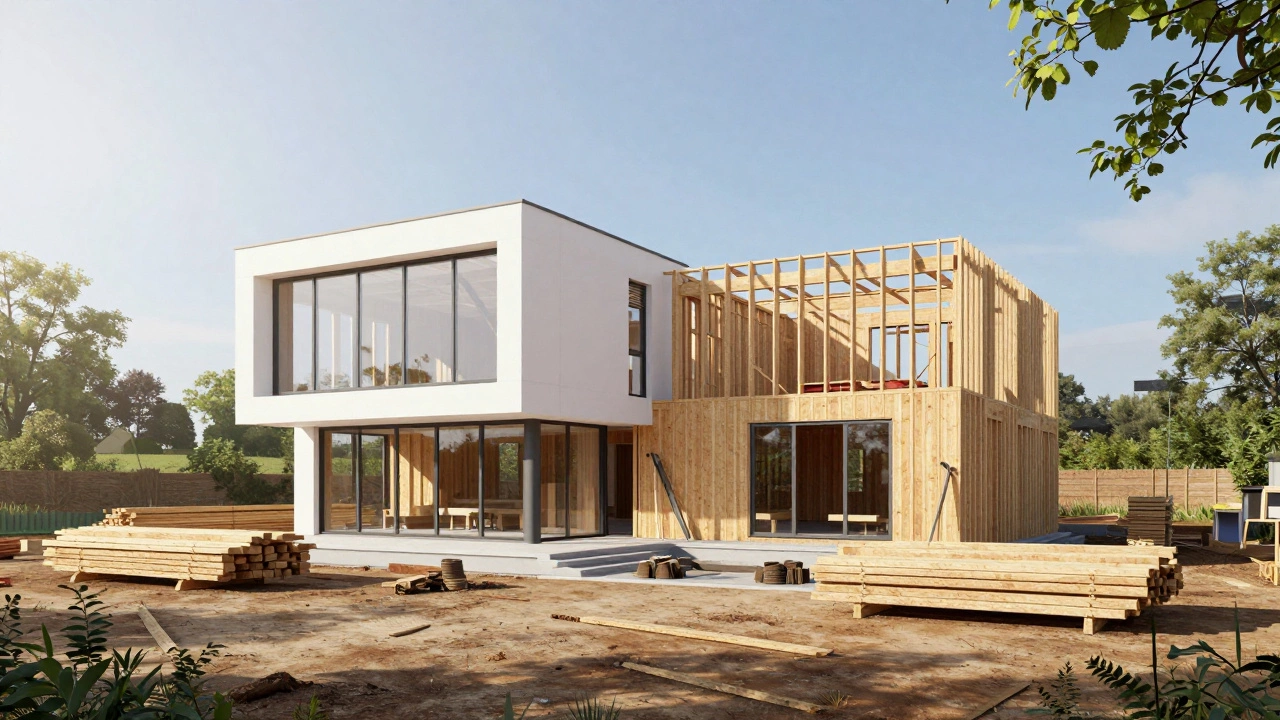
Walking into a house that smells like fresh paint and sawdust is an intoxicating feeling. But is the dream of a custom-built home actually worth the stress, or are you better off finding a "diamond in the rough" and fixing it up? Most people assume building from scratch is the gold standard because you get exactly what you want. In reality, it's a high-stakes gamble with your time, budget, and sanity. By 2026, the landscape of construction has shifted, with energy costs and material availability changing the math on whether a build a new house project makes financial sense.
Quick Takeaways
- Customization: New builds win on layout and efficiency; resale wins on character and location.
- Cost: New builds often have "hidden" costs like land prep and utility hookups that blow budgets.
- Timeline: Expect 12 to 24 months for a custom build, whereas a resale home is ready in 30 to 60 days.
- Value: New homes generally hold value better initially due to modern energy standards and warranties.
The Allure of the Blank Canvas
When you decide to build, you aren't just buying a structure; you're designing a lifestyle. Custom Home Construction is the process of designing and building a residence from the ground up to meet specific personal requirements. Instead of wondering if you can knock down a wall to make the kitchen bigger, you just draw the kitchen exactly how you want it. You can prioritize a home office with soundproofing or a mudroom that actually handles a family's worth of boots and coats.
Beyond the aesthetics, you get the latest in Energy Efficiency, which is a massive deal in 2026. We're talking about triple-pane windows, advanced heat pumps, and smart insulation that makes a house from the 1990s feel like a refrigerator in the winter. A new build typically reduces monthly utility bills by 20% to 30% compared to an older home with outdated HVAC systems.
The Hidden Financial Trap
Here is where the dream hits the wall: the budget. Most people look at the cost per square foot and think they have it figured out. They don't. If you're buying a plot of land, you have to account for Site Preparation. This involves clearing trees, leveling the ground, and ensuring the soil can actually support a foundation. If you hit a pocket of clay or rock, your budget just took a five-figure hit before you've even poured a single drop of concrete.
Then there are the utility hookups. Running water, sewage, and electricity to a raw piece of land can be shockingly expensive. In some suburban areas, bringing the power grid to your specific lot can cost thousands of dollars. When you buy an existing home, these costs are already "baked in" to the price. When you build, every single pipe and wire is a new line item on your invoice.
| Feature | New Build | Existing Home (Resale) |
|---|---|---|
| Customization | Total control over layout | Limited to renovations |
| Energy Costs | Very low (Modern standards) | Moderate to high |
| Move-in Time | 12 - 24 months | 1 - 3 months |
| Initial Risk | Budget overruns / Delays | Undiscovered structural issues |
The Mental Toll of the Timeline
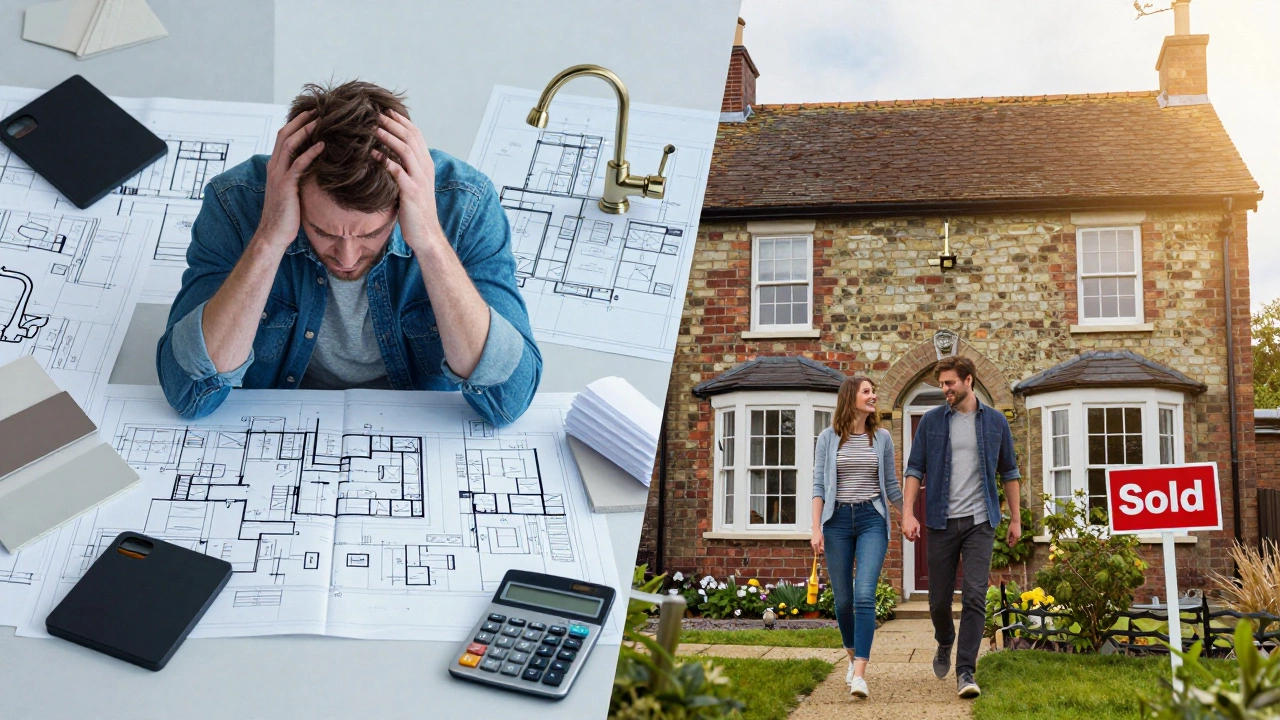
Building a house is essentially a second full-time job. You'll spend your weekends arguing about whether to go with brushed nickel or matte black faucets. You'll deal with General Contractors who might stop answering their phone for a week, or supply chain glitches that delay your flooring by two months. It is a grueling process of a thousand tiny decisions.
Contrast that with buying a resale. You find a place, you get a home inspection, you close the deal, and you move in. Yes, you might have to spend a few weekends painting the bedrooms or replacing a 20-year-old carpet, but the "heavy lifting" is done. For people who value their peace of mind over a perfectly placed walk-in closet, the resale route is a no-brainer.
Maintenance and the Warranty Safety Net
One of the biggest perks of a new build is the Builder's Warranty. Typically, you get a one-year warranty for everything, a two-year warranty for systems like plumbing and electrical, and a ten-year warranty for structural defects. This means if the roof leaks in month six, it's the builder's problem, not your bank account's problem.
When you buy an older home, you're inheriting someone else's shortcuts. You might find out three months after moving in that the previous owner did the electrical work themselves without a permit, or that there's a slow leak in the crawlspace. While an inspection helps, it can't find everything. In a new build, you start with a clean slate and legal protection.
Location: The One Thing You Can't Change
The biggest downside of building is often the location. The best plots of land in established, walkable neighborhoods are almost always taken. This forces new builders into the suburbs or the outskirts of town. You might get a gorgeous 4-bedroom house, but you'll find yourself driving 20 minutes just to get a coffee or drop the kids at school.
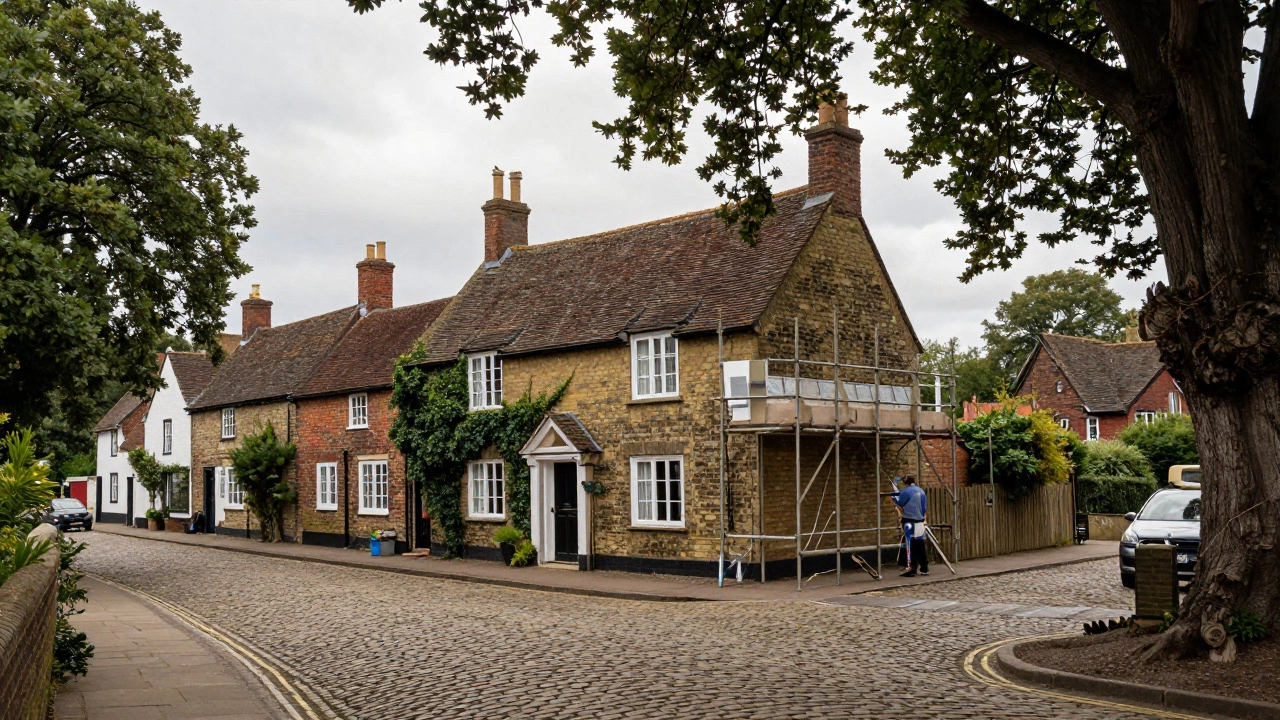
Existing homes allow you to buy into the neighborhood first. You can find a small, ugly house on a perfect street and spend five years slowly turning it into your dream home. This "strategic renovation" approach often yields a higher return on investment because the land value in a prime location grows faster than the value of a brand-new structure in a remote area.
Decision Framework: Which Path is Yours?
If you're still torn, ask yourself these three questions:
- Do I have a hard deadline? If you need to move by September because of a job or a growing family, don't build. Construction delays are the only constant in the industry.
- Am I a perfectionist? If you can't stand the thought of a bathroom layout you didn't choose, build. If you're okay with "good enough" and a little bit of charm, buy resale.
- How is my cash flow? New builds often require larger deposits and a higher tolerance for unexpected costs. Resale homes are generally easier to finance through standard mortgages.
Frequently Asked Questions
Is it cheaper to build a new house or buy an existing one?
It depends on the market, but generally, building a custom home is more expensive per square foot. While you avoid paying the previous owner's equity, you take on the risk of price fluctuations in materials and the cost of land development, which can easily push the total price above a similar resale home.
How long does it actually take to build a house in 2026?
On average, a custom build takes between 12 and 24 months. This includes the design phase, permitting, and actual construction. Prefab or modular homes can cut this time down to 6-10 months, but traditional stick-built homes are subject to weather and labor availability.
What are the biggest risks of building a new home?
The biggest risks are budget overruns, contractor reliability, and zoning issues. It's common for projects to go 10-20% over budget due to "change orders" (when you decide to upgrade a material mid-build) or unforeseen ground conditions.
Will a new build have better resale value?
Initially, yes, because of the modern features and lack of wear. However, if the house is built in an undesirable location, the value may stagnate. A renovated house in a prime location often appreciates faster than a new build in a remote area.
What is a "spec home" and is it a good middle ground?
A spec home is built by a developer who "speculates" that it will sell. You get a new house with modern efficiency, but you don't get to choose the layout or finishes. It's a great middle ground because the home is often nearly finished, removing the long wait and stress of custom design.
Next Steps and Troubleshooting
If you've decided to build, your first move should be to find a Architect. Don't just buy a pre-made plan online; you need someone who understands the local topography and building codes of your specific area. Start by creating a "must-have" vs "nice-to-have" list to keep your budget from spiraling.
If you're leaning toward an existing home but fear the hidden costs, hire a highly rated inspector who specializes in a specific era of housing. If you're buying a 1920s craftsman, you need an inspector who knows how to spot old wiring and foundation settling, not just someone who checks if the lights turn on.