Build vs. Buy Cost Estimator (2026)
Adjust the sliders below to estimate your specific scenario based on current 2026 UK market averages.
Buy Total Cost
£0
Build Total Cost
£0
Verdict
Calculating...
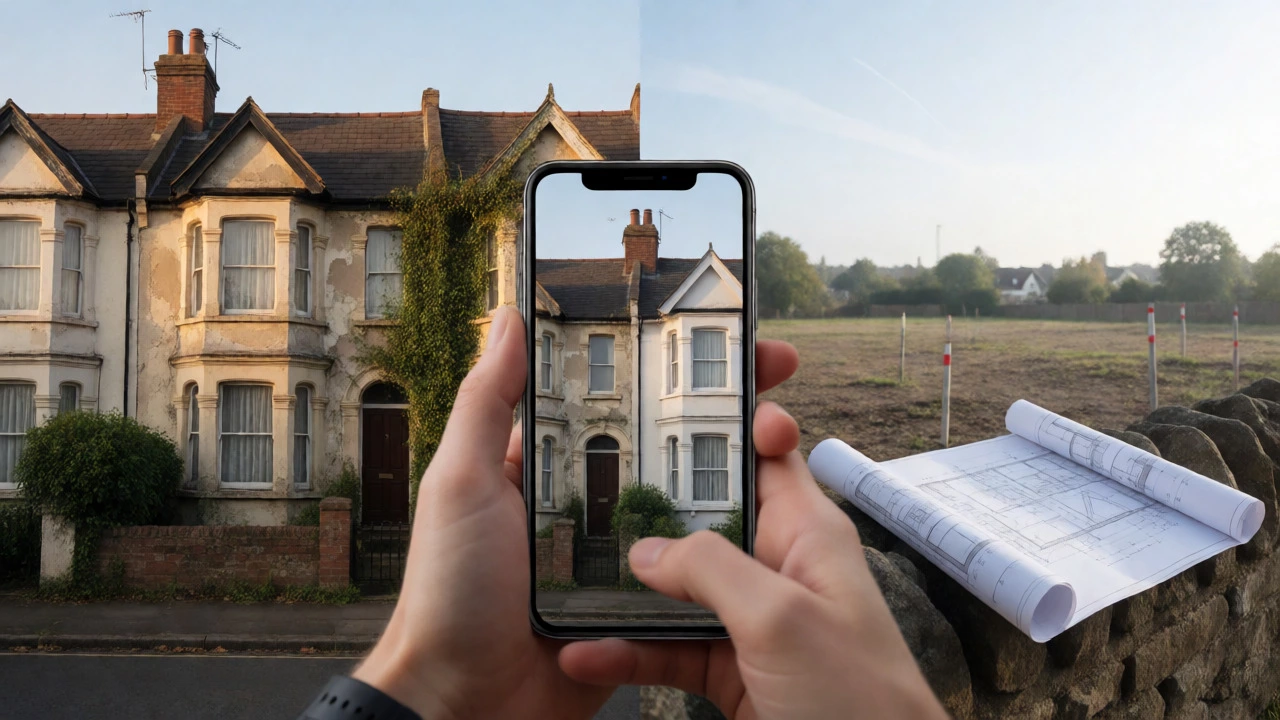
You stare at two listings on your phone. One is a charming but tired Victorian terrace needing a full overhaul. The other is a plot of land where you could erect a modern, energy-efficient home from scratch. Your gut says building feels like more work, but the spreadsheet whispers that buying existing stock is getting absurdly expensive. With mortgage rates stabilizing and material costs fluctuating wildly since the post-pandemic spikes, the old rule of thumb-"buying is always cheaper"-has quietly died.
So, what’s the reality in September 2026? Is it actually cheaper to build than buy? The short answer is: it depends entirely on how much sweat equity you’re willing to supply and whether you can beat the market's premium for finished goods. But let’s break down the numbers, because "cheaper" isn't just about the sticker price at the end of the project.
The Raw Numbers: What Does Building Actually Cost?
Let’s strip away the emotion. In the UK market right now, average construction costs for a standard high-quality new build sit between £1,800 and £2,500 per square meter. If you’re aiming for passive house standards or complex architecture, push that toward £3,000+. Compare this to the average purchase price of an existing three-bedroom semi-detached home, which hovers around £350,000-£400,000 depending heavily on location.
Here is the trap most people fall into: they compare the cost of building a shell against the sale price of a finished house. That’s apples to oranges. When you buy, you are paying for the previous owner’s profit margin, their renovation mistakes (or successes), and the scarcity value of land in established neighborhoods. When you build, you pay for materials, labor, permits, and your own time.
| Cost Factor | Buying Existing | Building New |
|---|---|---|
| Initial Acquisition | Property Price (£350k avg) | Land Cost (£100k - £150k) |
| Construction/Improvement | Renovation Costs (£30k - £80k) | Build Costs (£250k - £350k) |
| Hidden Fees | Stamp Duty, Legal, Survey (£15k+) | Planning Permission, Architect, Insurance (£20k+) |
| Energy Efficiency | Low (Older boiler, poor insulation) | High (Heat pumps, triple glazing) |
| Time to Move In | 1-3 Months | 12-18 Months |
The Hidden Premiums You Pay When Buying
When you buy an existing home, you aren’t just buying bricks and mortar. You’re buying convenience. Someone else already navigated the planning permission nightmare. They hired the builders who didn’t steal their copper wire. They dealt with the noisy neighbor disputes before you arrived. This convenience commands a premium, often called the "turnkey tax."
In many suburban areas, the difference between the raw land value and the finished home value is less than the actual cost of construction. Why? Because developers scale up. They buy materials in bulk and manage labor efficiently. As an individual self-builder, you don’t get those economies of scale. You pay retail for timber and hire contractors at peak daily rates. This is why, statistically, buying is still slightly cheaper for 70% of buyers if they want a standard specification.
However, if you are picky-if you want specific layouts, sustainable materials, or a home that doesn’t look like every other box on the street-the equation flips. Customization is expensive when bought; it’s relatively efficient when built, provided you have a clear vision.
Where Building Wins: Long-Term Savings and Control
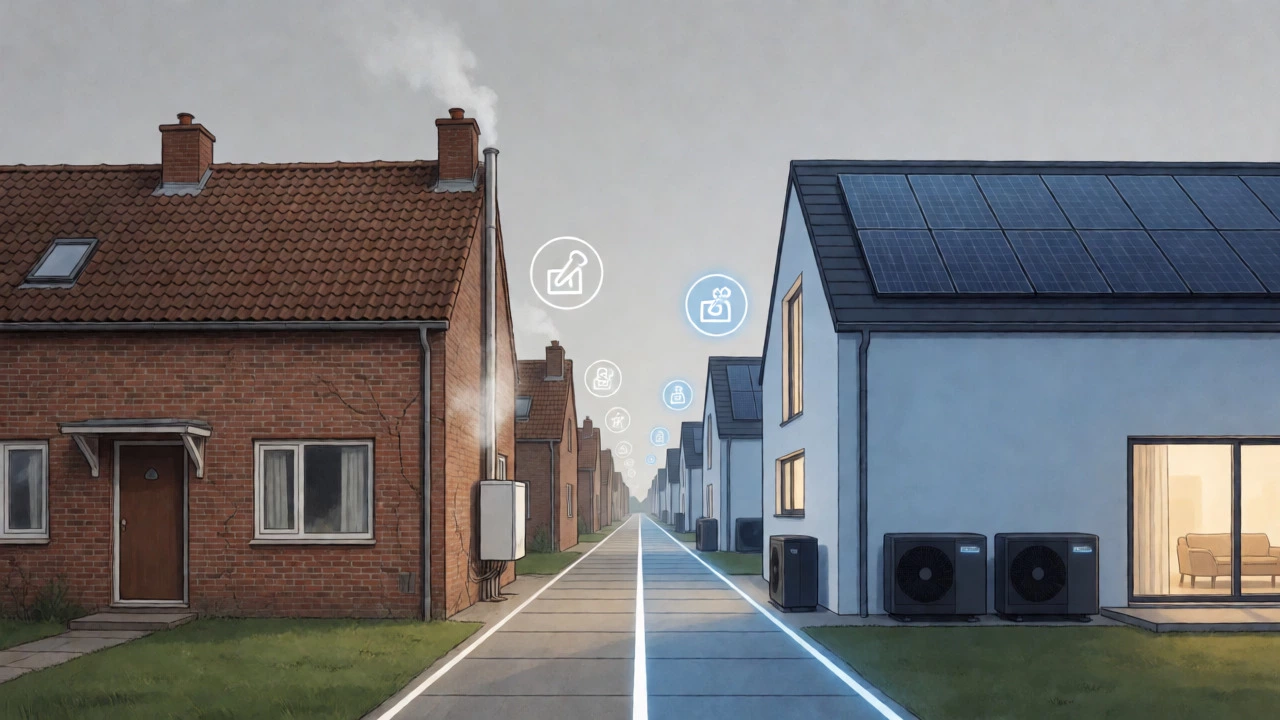
If you stretch the timeline out to ten years, building often becomes the cheaper option. Why? Maintenance and energy bills. A new build constructed under current Part L regulations uses significantly less energy than a 1990s property. You might spend £500 a year on heating in a new build versus £1,500 in an older one. Over a decade, that £10,000 saving offsets some of the initial construction premium.
Then there’s the depreciation curve. An existing home depreciates immediately upon purchase (like a car). A new build holds its value better initially because it has zero wear and tear. More importantly, you know exactly what’s inside the walls. No surprises behind the drywall. No asbestos tiles lurking in the basement. That peace of mind has financial value, even if it’s hard to quantify on a balance sheet.
The Risks of Self-Building
Don’t let the romance of laying the first brick blind you. Building carries risks that buying simply doesn’t.
- Budget Blowouts: It is rare for a self-build to come in exactly on budget. Most overrun by 10-20%. If you have no contingency fund, you’ll be stuck living in a half-finished structure while waiting for cash flow.
- Timeline Slippage: Weather delays, supply chain hiccups, or a contractor walking off-site can add months. Can you afford to rent elsewhere for another six months?
- Planning Uncertainty: Local councils are notoriously slow. A refusal or a demand for changes can kill a project before ground is broken.
Buying removes these variables. You see the house, you inspect it, you close the deal. The risk is capped at the survey findings. With building, the risk is open-ended until completion.
Who Should Build? Who Should Buy?
So, how do you decide? Use this quick filter.
Buy if:
- You need to move in within 3 months.
- You have a tight budget with no room for error.
- You prefer established neighborhoods with mature trees and community feel.
- You dislike managing tradespeople or dealing with local bureaucracy.
Build if:
- You have land or access to cheap plots.
- You want specific design features that don’t exist in the local market.
- You prioritize low running costs and sustainability.
- You have a 15-20% contingency fund and patience for a 12-month process.
The 2026 Market Context
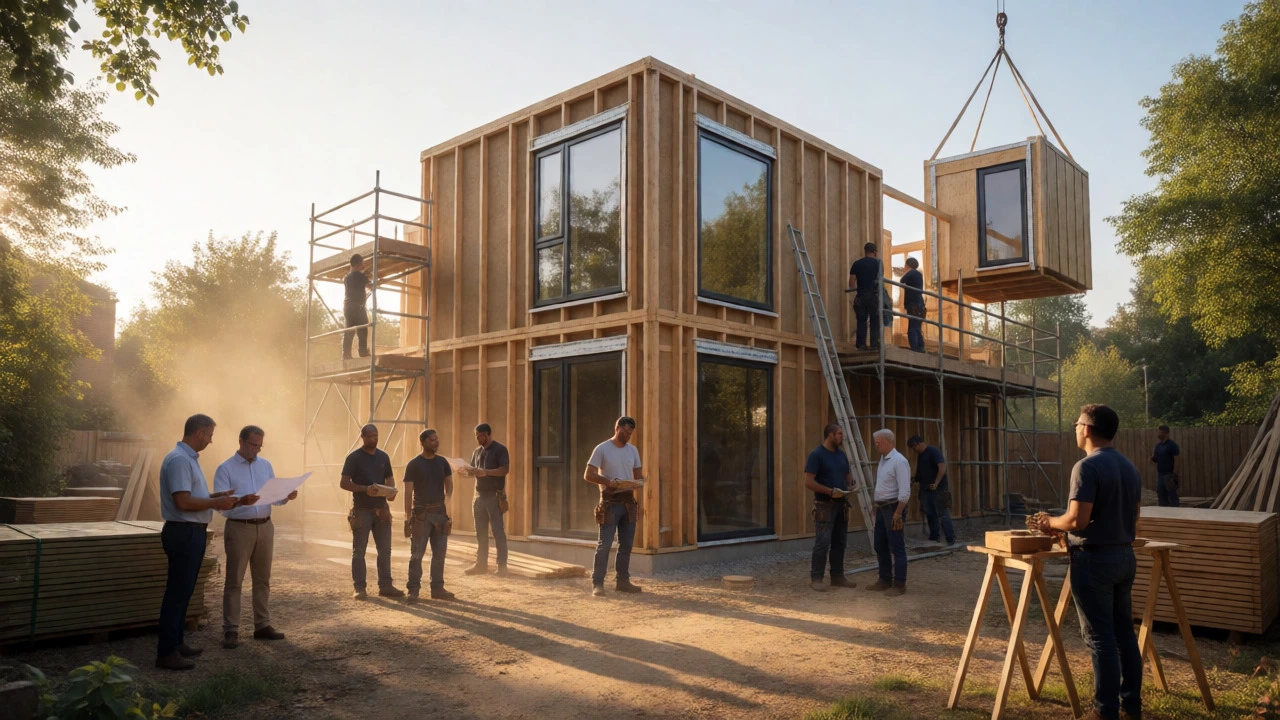
It’s worth noting that the gap between build and buy costs narrowed in late 2025 as labor shortages eased. Skilled tradespeople are slightly more available than they were during the height of the skilled-labor crisis, which helps self-builders negotiate better rates. However, land prices remain stubbornly high in desirable areas. If you’re looking outside London and the Southeast, you might find plots where building is genuinely competitive with buying, especially if you opt for modular construction methods which reduce waste and time.
Modular homes, pre-built in factories and assembled on-site, are gaining traction. They offer a middle ground: faster than traditional builds, cheaper than custom architect-led projects, and more customizable than buying off-plan from a large developer. For many in 2026, this is the sweet spot.
Is it cheaper to build a house than to buy one in 2026?
Generally, buying an existing home is cheaper upfront due to economies of scale enjoyed by developers. However, building can be cheaper over the long term due to lower energy bills, reduced maintenance costs, and higher initial asset value retention. The decision hinges on your ability to manage construction risks and your desire for customization.
How much does it cost to build a house per square meter in the UK?
As of 2026, standard quality construction costs range from £1,800 to £2,500 per square meter. High-end finishes or complex architectural designs can push this to £3,000+ per square meter. Modular options may offer slight savings on labor but require significant site preparation.
What are the main hidden costs of self-building?
Key hidden costs include planning permission fees, architect and structural engineer charges, site clearance, utility connections, and professional indemnity insurance. Additionally, most self-builders underestimate landscaping and external works, which can add 5-10% to the total budget.
Does a new build hold its value better than an older home?
New builds typically appreciate steadily after the initial depreciation phase (first 1-2 years). Older homes can be volatile; their value depends heavily on condition and local regeneration schemes. New builds benefit from modern energy efficiency ratings, which are increasingly valued by future buyers facing stricter environmental regulations.
Can I get a mortgage to build a house?
Yes, but it requires a specialized self-build mortgage. Unlike standard mortgages, funds are released in stages as construction milestones are met. This protects both the lender and the borrower. Expect stricter affordability checks and potentially higher interest rates compared to standard residential loans.