Choosing the right colour for your sofa isn’t about following trends-it’s about making a choice that lasts. A sofa is one of the biggest investments in your living room. You sit on it every day. Kids jump on it. Pets scratch it. Coffee spills on it. So why do so many people pick a bold colour just because it looks good in a showroom?
Neutral is the smartest choice for most homes
Gray, beige, taupe, and navy aren’t boring-they’re practical. These colours hide stains, dust, and pet hair better than bright white or vivid red. In London homes, where rain and mud come through the door more often than not, a medium-toned gray sofa lasts longer without looking worn. A study from the UK Furniture Association found that 72% of households that chose neutral sofas reported lower cleaning stress after six months.
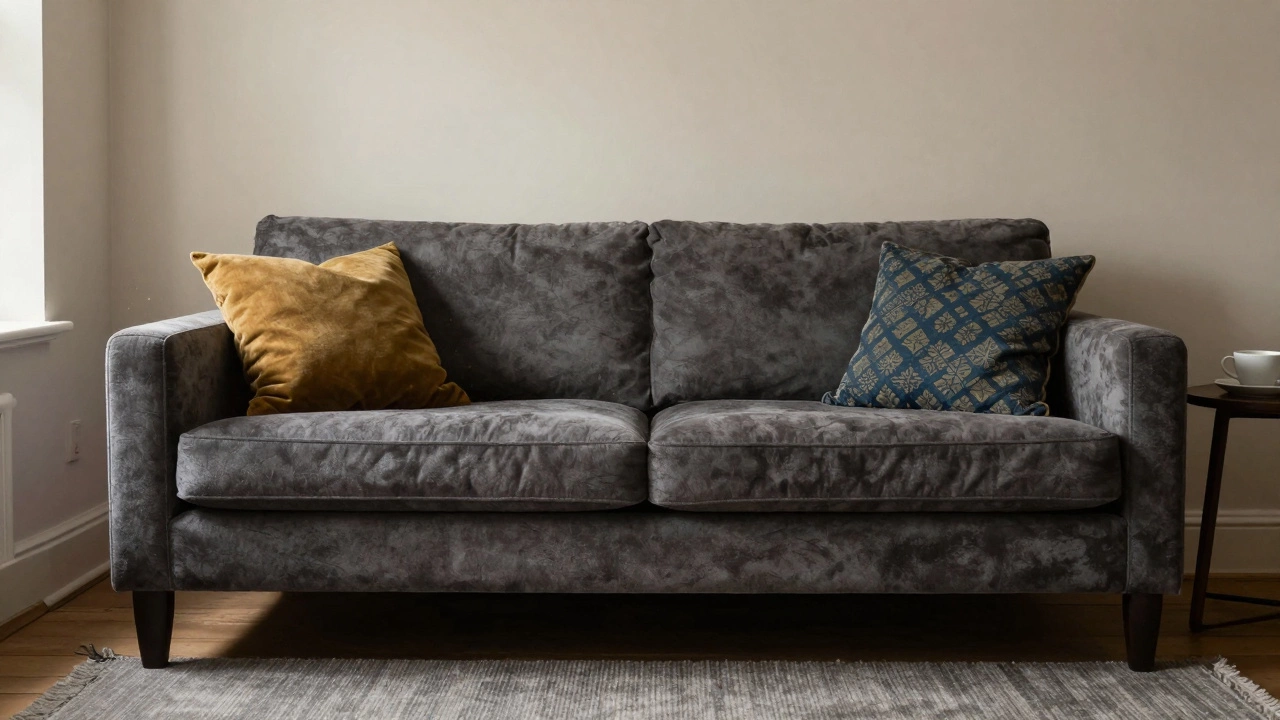
Neutral doesn’t mean flat. A charcoal sofa with a slight texture, like a linen blend or bouclé weave, adds depth without shouting. Pair it with patterned cushions in mustard, olive, or deep blue, and you’ve got a room that feels layered and intentional. You can change the look in minutes just by swapping out the sofa cushions.
White sofas? Only if you’re ready for the work
White sofas look clean. They look airy. They look expensive. But they also show every crumb, every fingerprint, every drop of red wine. If you have young kids, a dog that sheds, or you spill coffee while scrolling through Netflix, white isn’t a colour-it’s a challenge.
Some people swear by white sofas because they can be cleaned with a damp cloth and mild soap. But that only works if you clean them weekly. If you wait two weeks? Stains set in. Fabric fades. The sofa starts to look dingy, not bright. In 2025, most interior designers in London recommend off-white or cream instead. These tones look similar to white but hide dirt better. They also reflect natural light, which matters in UK homes where daylight is limited.
Dark colours work better than you think
Black, charcoal, and deep navy sofas are having a moment. And for good reason. They don’t show dust. They don’t fade in sunlight. They look luxurious and grounded. In a room with lots of light, a dark sofa becomes a focal point-not a liability.
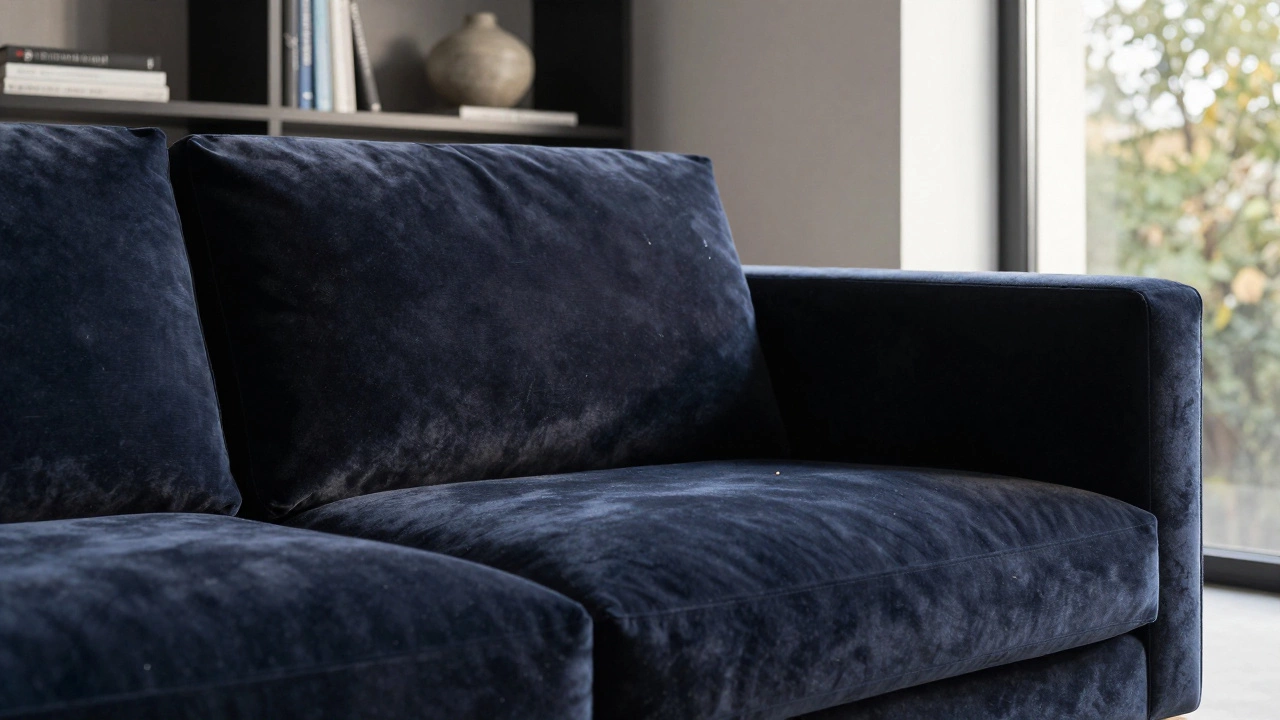
One London homeowner replaced her light beige sofa with a navy velvet one. She said, “I stopped worrying about crumbs. I stopped vacuuming under it every week. I just sit. And it still looks new.” Velvet holds up well to daily use, and the deep colour hides minor wear. If you have a modern space with clean lines, a dark sofa adds weight and sophistication.
Just avoid glossy finishes. Matte or textured fabrics like cotton twill, performance microfiber, or wool blends handle life better than shiny synthetics.
Colours to avoid for everyday sofas
Some colours look amazing in magazines. They look terrible in real life.
- Bright yellow: Fades fast in sunlight. Shows every smudge.
- Pink: Looks dated after a year. Hard to match with other decor.
- Light green: Turns muddy in low light. Looks like a 90s living room.
- Red: Stains are permanent. Hard to clean without leaving marks.
These colours work as accents-on cushions, rugs, or curtains-but not as the main sofa colour unless you’re prepared to replace it every 2-3 years.
How to test sofa colours before buying
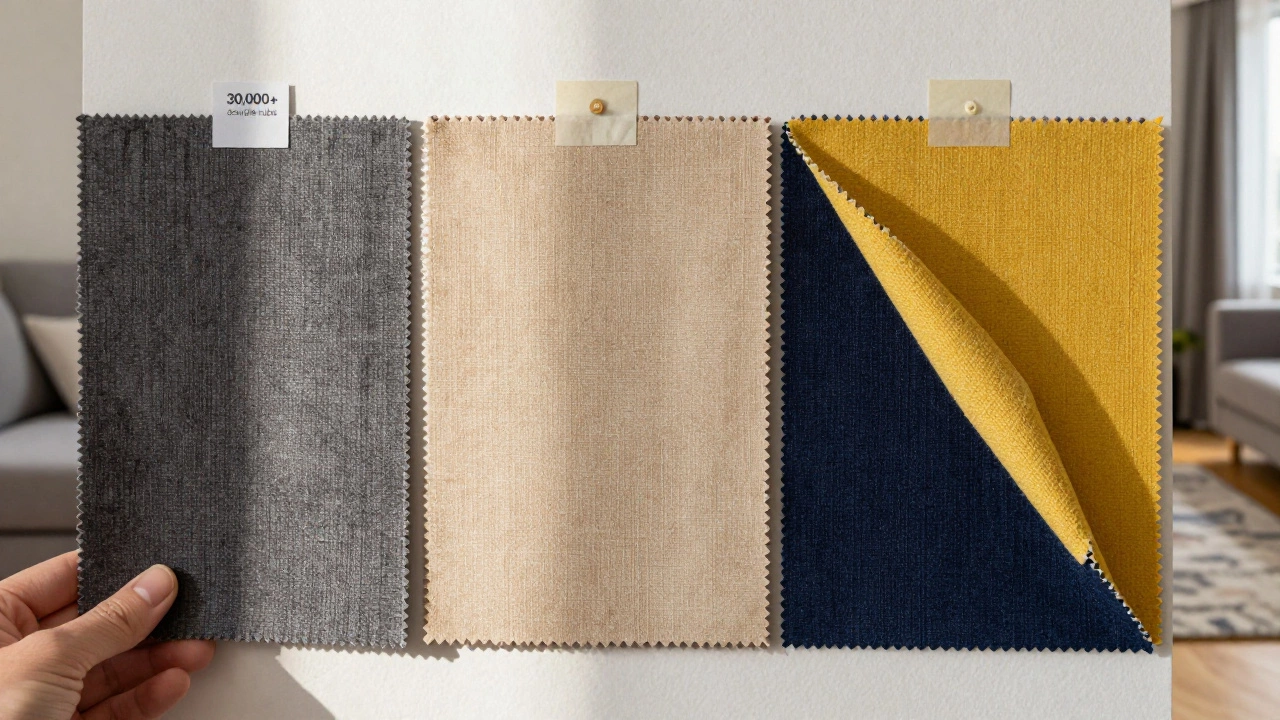
Don’t just trust a swatch in the store. Bring home fabric samples. Tape them to your wall next to your existing rug, curtains, and lighting. Live with them for 48 hours.
Look at them in the morning, at noon, and at night. Natural light changes everything. A beige that looks warm in daylight might look gray under your lamp. A gray that looks cool in the showroom might look blue in your room.
Also, check the fabric’s durability rating. Look for “double rubs”-a measure of how well the fabric resists wear. Anything under 15,000 double rubs isn’t ideal for daily use. For families or high-traffic rooms, aim for 30,000 or higher. Brands like Sunbrella, Crypton, and Revolution Fabrics offer performance fabrics in neutral tones that are stain-resistant and easy to clean.
Match your sofa colour to your lifestyle
Ask yourself:
- Do you eat dinner on the sofa?
- Do you have pets?
- Do you host friends often?
- Do you live in a dusty or rainy area?
If you answered yes to any of those, skip the light colours. Go for mid-tone neutrals. If you live alone, rarely entertain, and keep your space spotless? Then go ahead and pick that emerald green. But don’t pretend it’s low-maintenance.
One trick: choose a sofa in a colour that matches your most-used rug. That way, even if the sofa gets a little worn, it blends in. A gray sofa with a gray wool rug? Looks intentional. A cream sofa with a dark rug? Looks like you forgot to coordinate.
Use cushions to add colour safely
This is the easiest way to change your room without buying a new sofa. Cushions let you experiment. Try a bold orange pillow on a charcoal sofa. Add navy and cream stripes to a beige one. Swap them seasonally.
Most people buy one set of cushions and forget them. But cushions are like accessories-they should change. In winter, go for deep reds and forest greens. In summer, switch to linen whites and soft blues. You can buy cushion covers for under £20 each. That’s cheaper than replacing a whole sofa.
Pro tip: Always buy at least two of the same cushion pattern. One looks accidental. Two look designed.
What colour do professionals choose?
Interior designers in London, when designing for clients who plan to stay for more than five years, almost always pick one of three colours:
- Charcoal gray - for modern spaces
- Warm beige - for traditional or cozy rooms
- Deep navy - for high-end or moody interiors
They avoid pastels, brights, and whites unless the client is young, single, and willing to replace the sofa every few years.
Why? Because they’ve seen what happens after three years. A bright sofa fades. A white one stains. A trendy colour becomes embarrassing. A neutral one just… stays.
Final rule: Pick the colour you can live with for five years
Don’t choose a sofa colour because it’s Instagram-worthy. Choose it because you can sit on it in your pajamas, eat popcorn on it, and still feel like your home is calm and clean.
The best sofa colour isn’t the one everyone admires. It’s the one you forget about-because it just works.
What is the most durable sofa colour?
Charcoal gray, navy, and warm beige are the most durable. They hide dirt, stains, and fading better than light or bright colours. Fabrics with a high double-rub rating (30,000+) in these tones last the longest with daily use.
Can I use a white sofa if I clean it regularly?
Yes-but only if you clean it weekly. White sofas show dust, pet hair, and spills immediately. Even with regular cleaning, sunlight fades the fabric over time, and stains often leave permanent marks. Off-white or cream are better alternatives that look similar but are more forgiving.
Should I match my sofa colour to my walls?
No. Your sofa should contrast slightly with your walls to create depth. If your walls are light, pick a medium-toned sofa. If your walls are dark, a lighter sofa will balance the room. Matching exactly makes the space feel flat.
Are performance fabrics worth the extra cost?
Yes, if you have kids, pets, or spills often. Performance fabrics like Crypton or Sunbrella resist stains, odours, and fading. They cost 20-30% more upfront but last twice as long. For a sofa you’ll use daily, it’s a smart investment.
How often should I change my sofa cushions?
Replace cushion covers every 1-2 years if they’re worn or faded. The inner foam should last 5-7 years. Changing covers is cheaper than replacing the whole sofa and lets you refresh your room’s look seasonally.
If you’re still unsure, start with a medium gray sofa in a durable fabric. Add colourful cushions. Live with it for six months. You’ll know quickly if it feels right. Most people who wait end up happier than those who rush into bold choices.