Fridge Placement Risk Analyzer
Select all the factors that apply to your current refrigerator location to see the combined impact on your appliance.
Risk Level
Energy Impact
Life Span
Quick Summary: Avoid These Spots
- Next to the Oven/Hob: Heat from cooking forces the fridge to work double time.
- Direct Sunlight: UV rays and heat gain kill energy efficiency.
- Tight Corners with No Airflow: Without a gap, the compressor overheats.
- Near Radiators: Constant warmth fights the cooling cycle.
- Directly Beside the Dishwasher: Steam and heat can damage the exterior and efficiency.
The Battle Between Heat and Cold
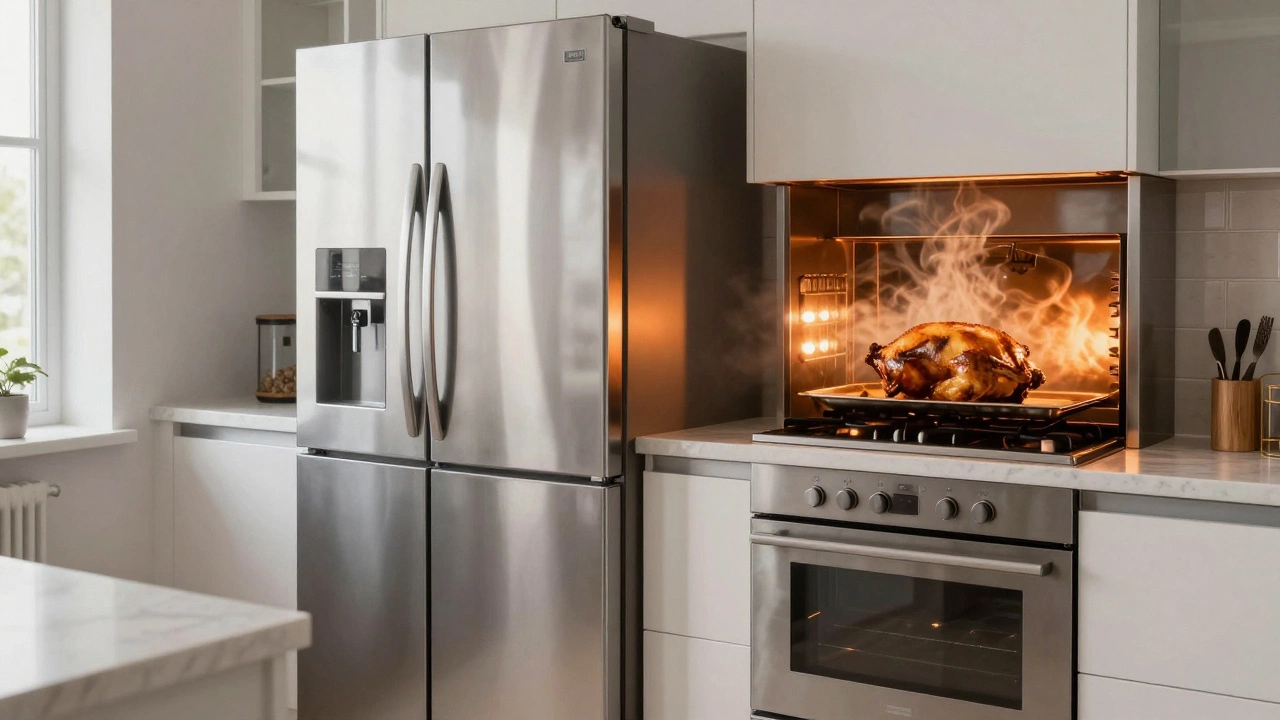
The biggest rule of refrigerator placement is to keep your cooling zone away from your heating zone. In a perfect world, your kitchen is divided into work triangles, but often we prioritize aesthetics over thermodynamics. If you place your Refrigerator is a cooling appliance used to preserve food by maintaining a temperature below the surrounding environment right next to a Oven or a stove, you're creating a conflict. Every time you roast a chicken or boil water, the ambient temperature around the fridge climbs. Since the fridge works by pulling heat out of the interior and pushing it into the room, having a heat source right next to it makes that process much harder. The compressor has to run longer and harder to maintain the internal temperature, which leads to premature wear and tear.
Think of it like trying to air condition a room while someone holds a hairdryer against the AC unit. It's possible, but it's incredibly inefficient. If you absolutely must put them side-by-side due to a small floor plan, install a thermal insulation barrier or a thick piece of cabinetry between the two. A simple 2-inch wooden partition can make a surprising difference in how much heat transfers from the oven wall to the fridge coils.
| Location | Primary Risk | Effect on Life Span | Energy Impact |
|---|---|---|---|
| Next to Stove/Oven | Thermal Transfer | Reduced (High Wear) | High Increase |
| Direct Sunlight | Radiant Heat | Moderate Wear | Moderate Increase |
| Blocked Air Vents | Overheating | Severe (Compressor Failure) | Very High Increase |
| Near Radiator | Constant Heat Load | Reduced | Constant Increase |
The Danger of the "Perfect Fit"
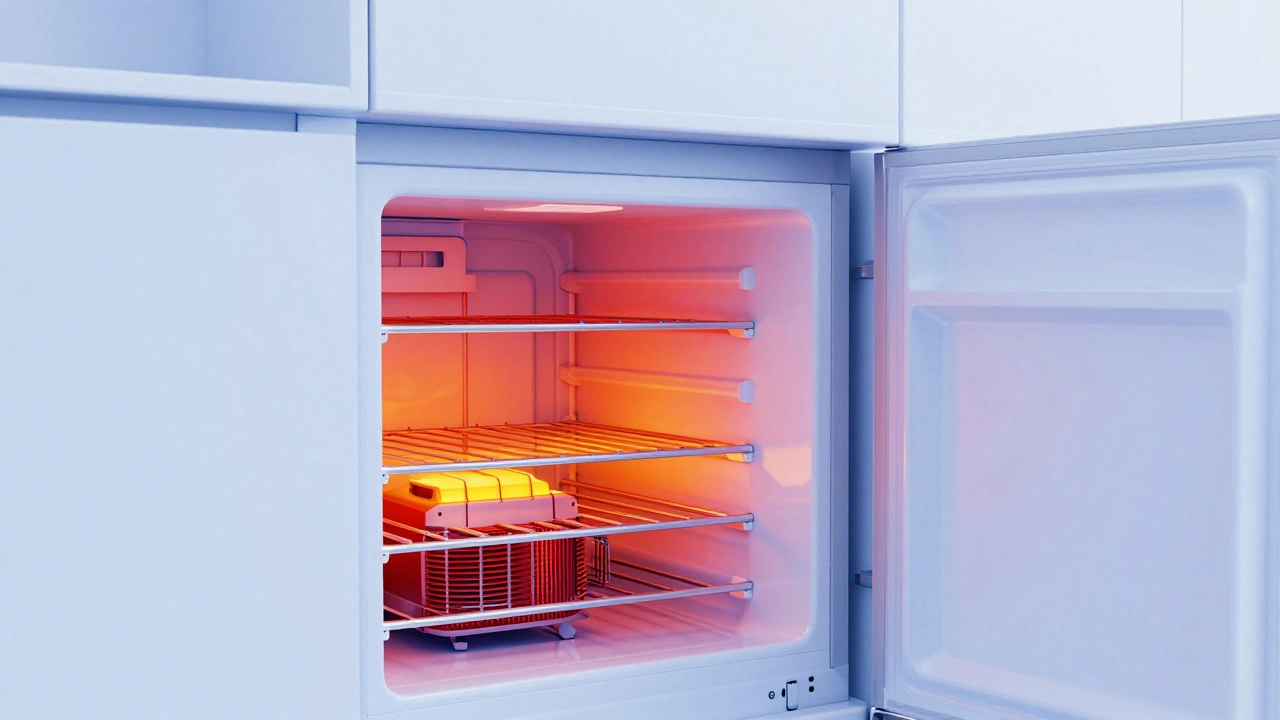
We've all seen those stunning Instagram kitchens where the fridge is perfectly recessed into a wall with zero gaps. While it looks sleek, it's often a nightmare for the appliance. Most refrigerators use Condenser Coils, which are heat-exchange tubes that release the heat removed from the fridge's interior into the surrounding air. If these coils are tucked into a tight box with no ventilation, the heat has nowhere to go. It just pools around the back of the unit, raising the temperature of the compressor.
When the air can't circulate, the fridge enters a cycle of overheating. You'll notice the sides of the unit feel hot to the touch, and you might hear the motor running almost constantly. To avoid this, always check the manufacturer's manual for "clearance requirements." Most brands require at least 2 centimeters of space on the sides and 5 to 10 centimeters at the back. If you're designing custom cabinetry, don't be afraid to leave a small gap at the top or bottom to allow air to flow upward and out. A "breathable" fridge is a long-lasting fridge.
Sunlight and the Energy Drain
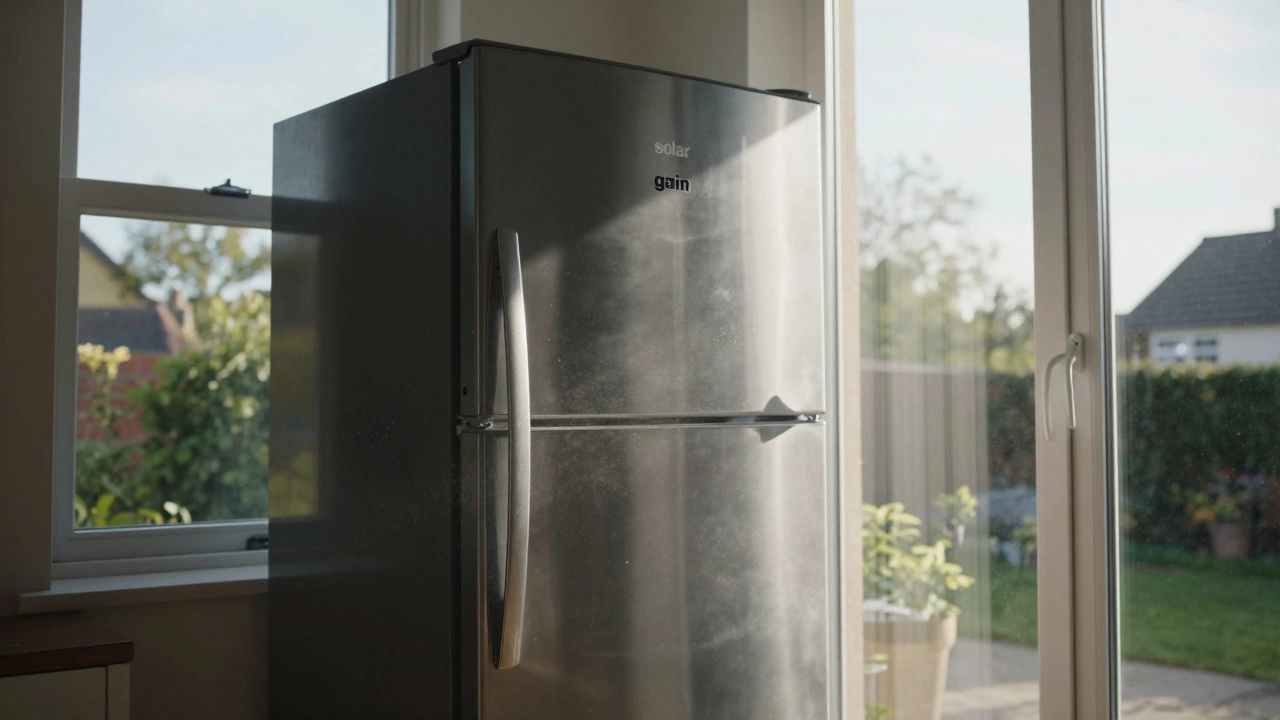
It might seem harmless, but placing your fridge in front of a large south-facing window is a bad move. Solar Gain refers to the increase in temperature inside a space caused by the sun's rays. When direct sunlight hits the dark exterior of a refrigerator, it absorbs that heat. Even if the fridge is well-insulated, the exterior shell heats up, and the internal thermostat detects a rise in temperature, triggering the cooling cycle.
Moreover, if you have a fridge with a glass door (like a beverage center), the sunlight can cause "light-induced spoilage" for certain foods and can lead to condensation buildup inside the glass. If you can't move the fridge away from the window, consider installing UV-Filtering Blinds or heavy curtains. This simple change can drop your monthly energy consumption and prevent the interior from fluctuating in temperature every time the sun hits the unit.
The Damp Zones: Steam and Humidity
Many people put their fridge right next to the Dishwasher to keep all the plumbing in one area. This makes sense for the plumber, but not necessarily for the appliance. Dishwashers, especially during the drying cycle, release a significant amount of hot steam. If this steam is constantly hitting the side of your refrigerator, it can lead to several problems. First, the moisture can cause the paint or veneer on the fridge to peel or rust over time. Second, excessive humidity around the unit can interfere with the efficiency of the heat exchange process.
Similarly, avoid placing your fridge in a garage or a basement that is prone to high humidity without a dehumidifier. Extreme humidity can cause frost buildup on the Evaporator Coils, meaning the fridge has to run a defrost cycle more often. This doesn't just waste power; it puts extra stress on the electrical components. If you're putting a secondary fridge in a damp area, make sure it's a model specifically rated for "garage use," which typically has a separate heating element to keep the controls working in varying temperatures.
The Radiator Trap
In older homes, especially in the UK, radiators are often placed under windows or along main walls. Putting a fridge next to a radiator is essentially fighting a war. The radiator is designed to push heat into the room, and the fridge is designed to remove it. When these two meet, the fridge's compressor is forced to work in an environment that is 5 to 10 degrees warmer than the rest of the house.
This isn't just about the electric bill. When a compressor runs at 100% capacity for too long, the oil inside begins to degrade, and the mechanical parts wear down. If you're rearranging your layout, ensure there is at least a one-meter gap between any heat-emitting radiator and your cooling unit. If that's impossible, a thermal reflective shield-basically a piece of foil-backed insulation-can help deflect some of that radiant heat away from the fridge's side panel.
Final Layout Tips for Efficiency
When you're planning your Kitchen Layout, remember that the fridge should be accessible but isolated. The ideal spot is usually at the end of a counter run, where it has plenty of air on at least two sides. Avoid the "dead corner" where air gets trapped. Also, think about the door swing; if you put the fridge in a spot where the door hits a wall or a cabinet, you'll end up scratching the finish and potentially misalignment the hinges over time.
Check your flooring as well. A fridge must sit on a perfectly level surface. If it's tilted, the door seals (gaskets) might not close tightly, allowing cold air to leak out. This creates a feedback loop: the air leaks, the temperature rises, the compressor runs more, and the unit eventually burns out. Use a spirit level during installation and adjust the leveling legs until it's dead-on. A slight backward tilt is actually recommended by many manufacturers to help the doors close automatically.
Can I put my fridge in a pantry?
Yes, but only if the pantry is ventilated. If you put a fridge in a small, enclosed closet without vents, the heat it exhausts will simply build up in the room, making the fridge work harder and eventually causing it to overheat. Ensure there is a gap at the top of the pantry or a vent in the door to let hot air escape.
Why is my fridge humming louder when it's next to the oven?
The loud humming is usually the compressor running at high speed. Because the oven is heating the air around the fridge, the internal temperature rises, and the compressor has to work much harder to keep the food cold. This increased workload manifests as a louder, more constant sound.
How much space should I leave between the fridge and the wall?
Generally, you want at least 2cm to 5cm on the sides and about 5cm to 10cm at the rear. Check your specific user manual, as some built-in models have different requirements than freestanding units.
Does putting a fridge near a window actually matter?
Yes. Direct sunlight increases the exterior temperature of the appliance, which forces the cooling system to run more frequently. This leads to higher energy bills and a shorter lifespan for the compressor.
What happens if I ignore the ventilation rules?
The most common outcome is "compressor burnout." When the heat can't escape, the motor overheats. You'll see a drop in cooling efficiency first, followed by a total failure of the cooling system, which often requires an expensive replacement of the entire compressor unit.
Next Steps for Homeowners
If you've already installed your fridge in one of these "no-go" zones, don't panic. You can start by cleaning the condenser coils; dust buildup combined with high heat is a recipe for disaster. If the fridge is next to an oven, try adding a thin piece of heat-resistant padding. For those in the planning phase, sketch your kitchen layout and mark the "hot zones" (oven, dishwasher, radiators, windows) first. Then, place your fridge as far from these markers as the workflow allows. Your electricity meter and your appliance's motor will thank you.