Valance Style Verdict Calculator
Not sure if your window treatments are dated? Answer these 4 questions based on the article's expert advice to get a verdict.
Walk into any high-end boutique hotel or browse through a recent issue of Architectural Digest, and you’ll notice something missing from the windows. Those fluffy, ruffled fabric swags that defined the 1980s and 90s are gone. But does that mean valances are dead? Not exactly. The short answer is: traditional, frilly valances are largely out of style for modern homes, but sleek, tailored versions have found a new life in specific design contexts.
If you’re standing in your living room wondering whether to keep those existing window treatments or rip them out, you’re not alone. The conversation around window coverings has shifted dramatically over the last few years. We’ve moved away from heavy ornamentation toward clean lines, natural light, and functional minimalism. However, "out of style" doesn’t always mean "ugly." It often just means they need to be used differently.
The Shift Away from Traditional Valances
To understand why valances fell out of favor, we have to look at what replaced them. For decades, the standard window treatment was a stack of layers: sheer curtains, heavy drapes, and a decorative valance at the top to hide the rod hardware. This approach worked when rooms were smaller, ceilings lower, and privacy more paramount.
In today’s design landscape, particularly in urban apartments and open-plan homes, the goal is usually the opposite. We want spaces to feel larger, brighter, and airier. A bulky valance visually chops up the wall space, making ceilings appear shorter. If you have a ten-foot ceiling, adding a twelve-inch ruffle at the top eats up valuable vertical real estate. That’s why most interior designers now recommend hanging rods as close to the crown molding as possible, letting the curtains flow straight down without interruption.
The aesthetic shift also mirrors our broader cultural move toward minimalism. Think about Scandinavian design or Mid-Century Modern influences. Both prioritize function and simplicity. Ornate trims, tassels, and gathered fabrics clash with these clean aesthetics. They add visual noise where there should be calm.
When Valances Actually Work in 2025
Just because the trend has shifted doesn’t mean valances are banned forever. There are specific scenarios where a well-chosen valance adds value rather than clutter. The key is choosing the right type. Forget the scalloped edges and excessive pleats. Look instead for:
- Tailored Box Pleats: A crisp, structured box pleat can look sophisticated, especially in formal dining rooms or bedrooms with classic architecture.
- Wooden Shutters with Valance Boards: In coastal or farmhouse styles, a simple painted wood board above the window acts as a valance. It’s architectural, not fabric-heavy.
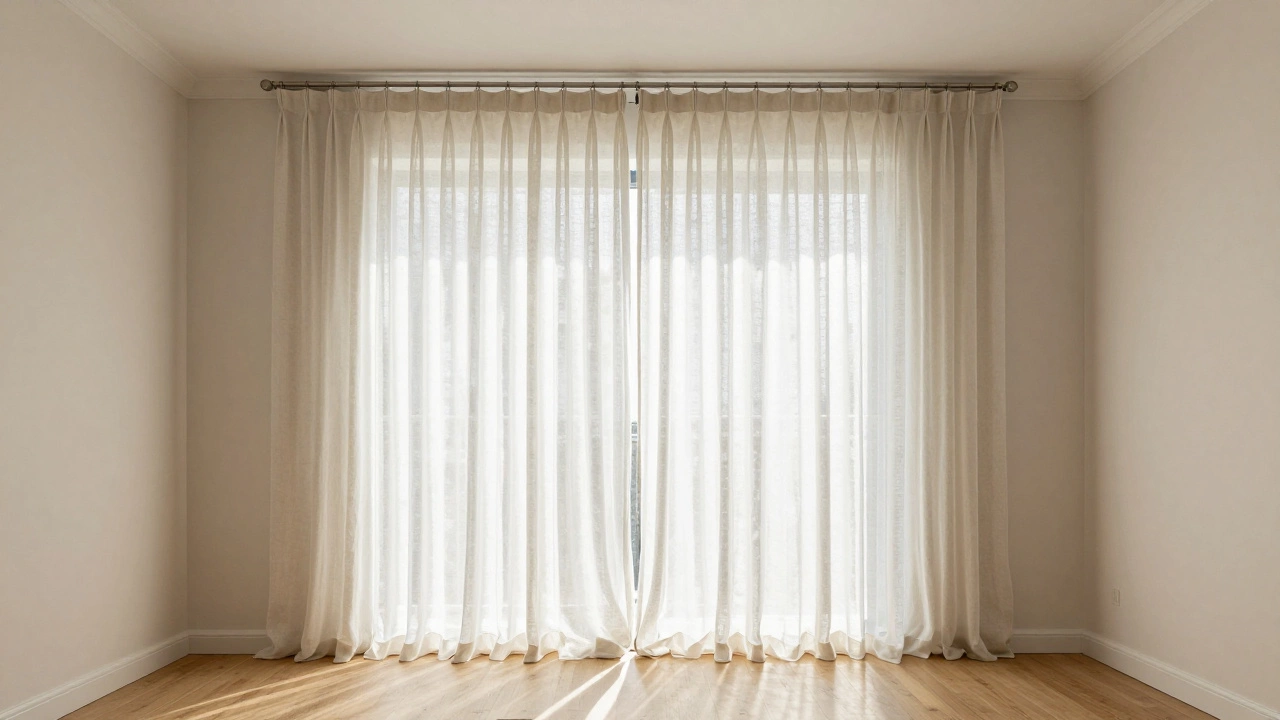
- Sheer Layers: A lightweight, translucent fabric that barely gathers can soften a hard line without blocking light.
Consider the room’s purpose. In a master bedroom, where softness and romance might be desired, a subtle valance can frame the bed nicely. In a kitchen, however, it’s mostly impractical. Grease, steam, and cleaning make fabric tops a nightmare. Here, a simple roller blind or a rigid Roman shade is far superior.
Also, consider the window itself. If you have an ugly HVAC unit, a leaky pipe, or a poorly installed rod bracket, a valance might still be your best friend. It’s a cheap fix for structural flaws. Just keep it simple-a solid color, no patterns-to avoid drawing attention to the thing you’re hiding.
Top Alternatives to Valances
If you decide to ditch the valance, what do you replace it with? The market is full of options that offer better light control, easier maintenance, and cleaner looks. Here’s how the top contenders stack up against the traditional valance.
| Treatment Type | Best For | Light Control | Maintenance |
|---|---|---|---|
| Roman Shades | Living Rooms, Bedrooms | Excellent (Blackout available) | Low (Vacuum only) |
| Café Curtains | Kitchens, Bathrooms | Moderate | Medium (Machine washable) |
| Cellular Shades | Energy Efficiency, Offices | High | Very Low (Wipe clean) |
| Floor-to-Ceiling Drapes | Formal Areas, High Ceilings | Adjustable | Medium (Dry clean recommended) |
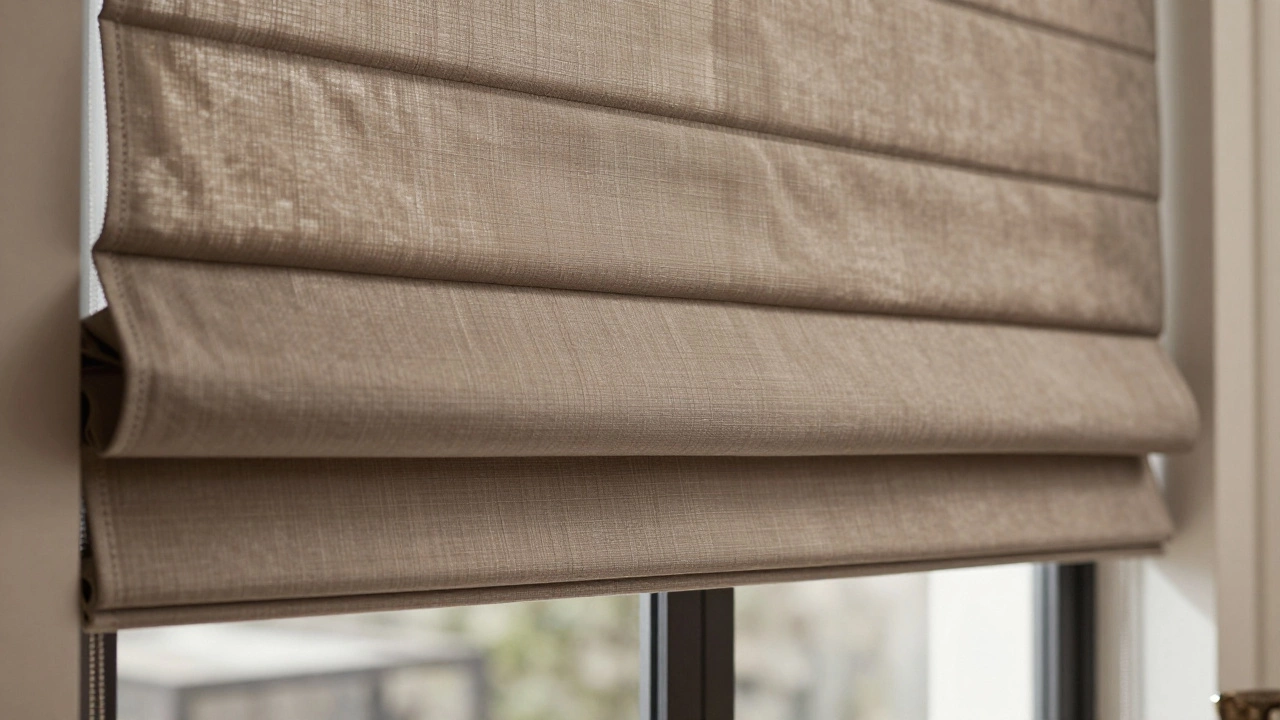
Roman shades are currently the darling of the design world. They fold up neatly, offering a flat, uncluttered look when raised. They come in endless textures-linen, silk, velvet-and can mimic the softness of fabric without the bulk of a valance.
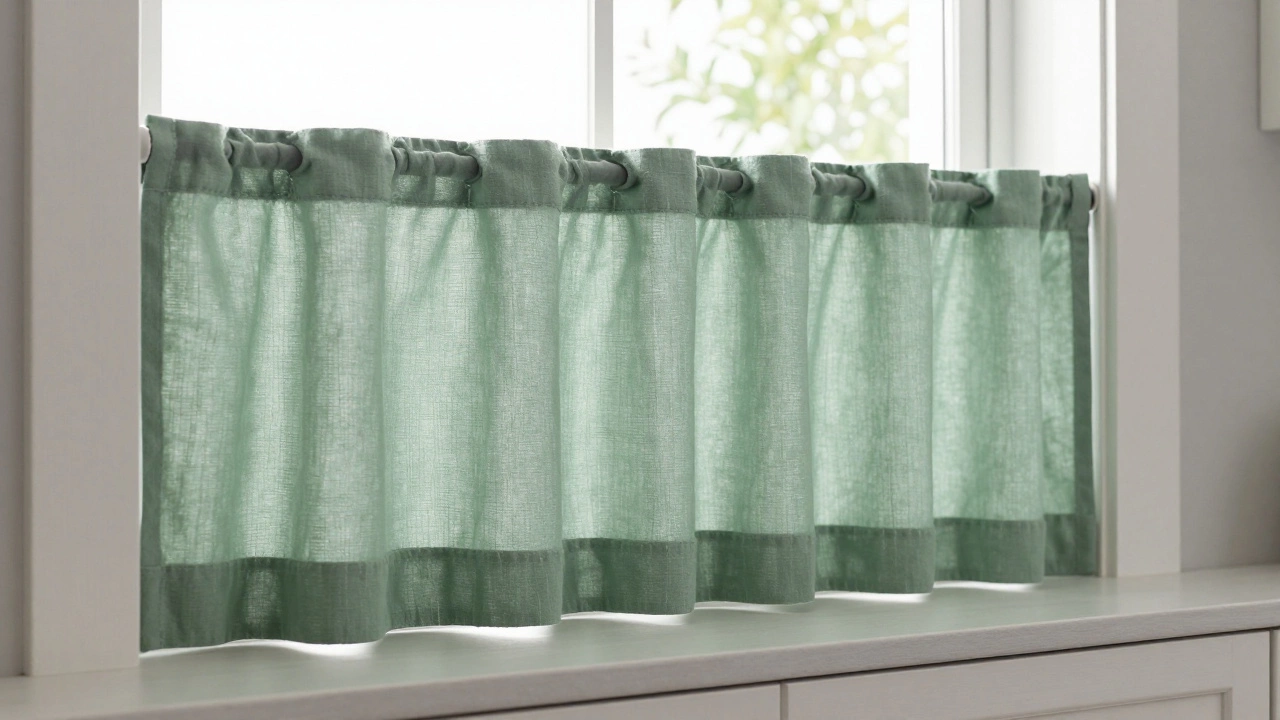
Café curtains are another strong contender, especially for kitchens. Mounted halfway up the window, they provide privacy while letting light flood in from the top half. They’re casual, breezy, and easy to install yourself.
How to Decide: Keep or Remove?
Making the call isn’t just about following trends. It’s about your specific home. Ask yourself these three questions:
- Does it block light? Stand behind the valance during the day. If it casts a shadow on your face or significantly dims the room, it’s working against you. Natural light is one of the biggest drivers of property value and mood.
- Is it dated? Look at the pattern. Florals, plaids, and heavy damasks from the early 2000s are hard to integrate into a neutral palette. Solid colors are timeless; busy patterns date quickly.
- Does it match the hardware? If your curtain rod is a thin, brushed nickel bar, a thick, embroidered valance will look mismatched. The hardware and the fabric need to speak the same language.
If you answered yes to any of these, it’s time for a change. You don’t have to spend a fortune. Sometimes, simply removing the valance and painting the trim white makes a bigger impact than buying new curtains.
Installation Tips for a Clean Look
If you’re replacing valances with other treatments, installation matters. Most people mount their rods too low. To make a room feel taller, mount the rod 4-6 inches above the window frame, or even higher if you have space between the window and the ceiling. This draws the eye upward.
Use brackets that are sturdy and discreet. Avoid ornate finials unless you’re going for a very traditional look. Simple metal bars or tension rods (for renters) work best. And remember to let your curtains puddle slightly on the floor-or hang them just above the baseboard. Halfway pooling looks unfinished and messy.
Finally, consider the fabric weight. Lighter fabrics filter light softly, creating a dreamy atmosphere. Heavier linens or cottons provide structure and opacity. Choose based on the room’s function, not just the look.
Can I use a valance in a modern apartment?
Yes, but keep it minimal. Avoid ruffles and heavy gathering. Opt for a straight, tailored box pleat in a neutral color like white, beige, or grey. It should blend with the wall color rather than stand out as a separate decorative element.
What is the best alternative to a valance for hiding a curtain rod?
A wooden cornice box or a painted valance board is the best architectural alternative. It hides the rod completely but looks like part of the window trim. For a softer look, use a Roman shade that folds up flush against the window frame.
Are valances bad for energy efficiency?
They can be. Because they don’t seal tightly against the window, cold air can seep under them in winter. Cellular shades or insulated thermal curtains are much better at trapping heat and reducing energy bills.
How do I remove a valance without damaging the wall?
If it’s nailed in, use a pry bar gently behind the fabric. Fill any small nail holes with spackle and touch up with paint. If it’s mounted on a track, simply unscrew the brackets. Always check for hidden wires or sensors before drilling into walls.
Do valances help with privacy?
Minimally. They only cover the top few inches of the window. For real privacy, you need side panels or bottom-hung treatments like blinds or shades. Valances are purely decorative, not functional for privacy.