Valance Style Analyzer
Room Characteristics
Quick Tips
- ✓ Mount high near ceiling
- ✓ Use natural fabrics
- ✓ Keep it simple & tailored
- ✗ Avoid heavy ruffles
- ✗ Don't block light flow
Analysis Result
Recommended Approach:
Why This Works:
You might be staring at a dusty box of fabric swatches in your attic, wondering if those old-fashioned valances belong in the trash or on your windows. It’s a valid question. For decades, valances were the crown jewel of window dressing, but somewhere around the mid-2010s, they vanished from most magazine spreads and Instagram feeds. So, are valances out of style in 2024? The short answer is: it depends entirely on how you wear them.
If you’re thinking of heavy, ruffled, floor-length drapes that pool on the sill, yes, that look feels dated. But if you view valances as a tool for architectural framing and light control, they have made a quiet, sophisticated comeback. Let’s break down why they disappeared, why they’re returning, and how to use them without looking like you time-traveled from 1995.
The Great Valance Exile: Why Did We Hate Them?
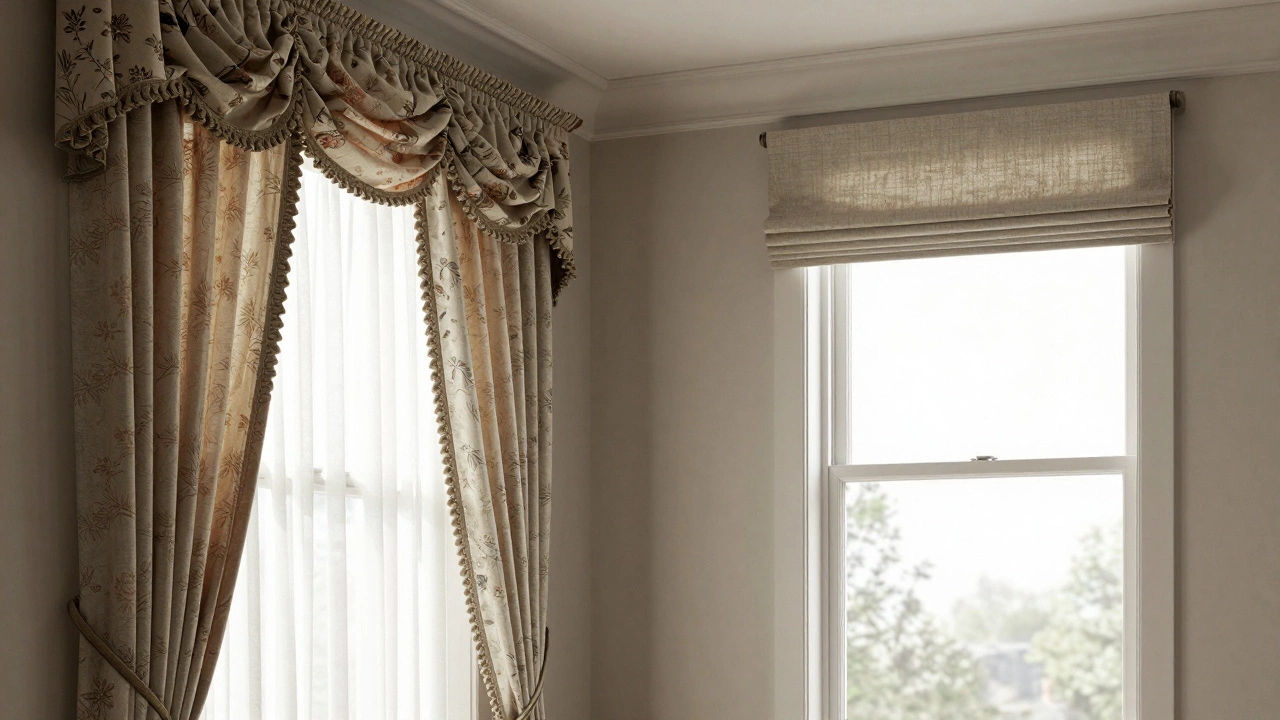
To understand where valances stand today, we need to look at why they fell out of favor. In the late 1990s and early 2000s, valances were everywhere. They were often bulky, heavily patterned, and paired with matching tie-backs and sheer under-curtains. This created a "busy" aesthetic that clashed with the rising desire for clean lines and minimalism.
The shift toward Minimalist Design changed everything. Homeowners started stripping away clutter. Long, floor-to-ceiling curtains became the standard because they elongated rooms and felt airy. Valances, which visually cut off the top of the window, were seen as limiting height and making ceilings feel lower. If you lived through the peak of the "shabby chic" era, you know exactly what I mean-layers upon layers of lace and tulle that trapped dust and blocked light.
However, trends are cyclical. As we move further into the 2020s, the pendulum is swinging back toward warmth, texture, and personality. People are tired of sterile, hotel-like interiors. They want homes that feel curated and cozy. This emotional shift has opened the door for valances to return, but only in their evolved form.
The Modern Revival: What Works Now
In 2024, the valance isn’t dead; it’s just been redesigned. The new iteration is less about decoration and more about function and structure. Here is what distinguishes a modern valance from an outdated one:
- Simplicity over Frills: Gone are the cascading ruffles. Today’s valances are flat, tailored, and geometric. Think straight lines, sharp folds, and minimal hardware.
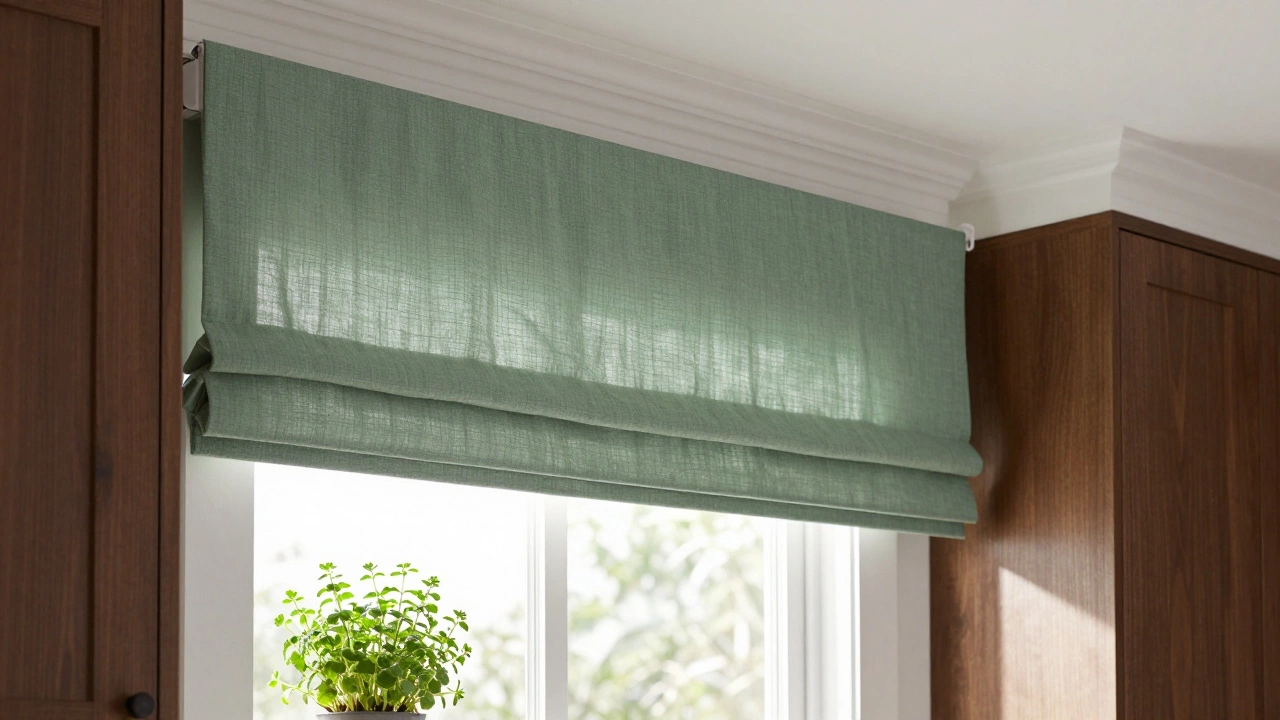
- Material Matters: Instead of synthetic sheers, designers are using natural fabrics like linen, cotton canvas, or wool blends. These materials add texture without adding bulk.
- Height and Placement: Modern valances are often mounted higher up, closer to the ceiling molding, rather than right above the window frame. This tricks the eye into seeing taller windows.
- Integration with Shades: Valances are frequently used to hide motorized roller shades or smart home technology, blending tech with traditional aesthetics.
This approach aligns with the broader trend of Biophilic Design, which emphasizes natural elements and organic shapes. A simple linen valance in a neutral tone complements plants, wood tones, and stone surfaces better than a floral print ever could.
When to Use Valances (And When to Skip Them)
Not every window needs a valance. In fact, using them incorrectly can make a room feel smaller and darker. Here is a quick guide to help you decide if a valance is right for your space.
| Scenario | Use a Valance? | Why? |
|---|---|---|
| Low Ceilings (under 8ft) | No | A valance cuts the vertical line, making the room feel cramped. Stick to bare rods or high-mounted curtains. |
| Ugly Window Frames/Moldings | Yes | A simple valance hides damaged trim or unattractive hardware without blocking light. |
| Kitchen Cabinets Above Sink | Yes | It softens the hard lines of cabinetry and adds a touch of warmth to a utilitarian space. |
| Motorized Blinds | Maybe | Only if you want to hide the mechanism. Otherwise, sleek blinds look better exposed. |
| Small Bedrooms | No | Valances add visual weight. In small spaces, keep it light and airy with sheer curtains. |
Top Styles for 2024
If you’ve decided to bring valances back into your home, choose a style that fits the current mood. Here are the three most popular approaches this year.
1. The Tailored Box Pleat
This is the gold standard for modern valances. It features crisp, even pleats that create a structured, architectural look. It works best in formal living rooms or dining areas. Keep the fabric solid-colored-navy, charcoal, or olive green-and avoid patterns. The goal is elegance, not distraction.
2. The Roman Shade Hybrid
Some designers are blurring the line between valances and Roman shades. Imagine a short Roman shade that doesn’t fully cover the window but acts as a decorative header. This provides both light filtering and style. It’s perfect for bathrooms or kitchens where privacy is needed but full coverage isn’t.
3. The Wood Blind Header
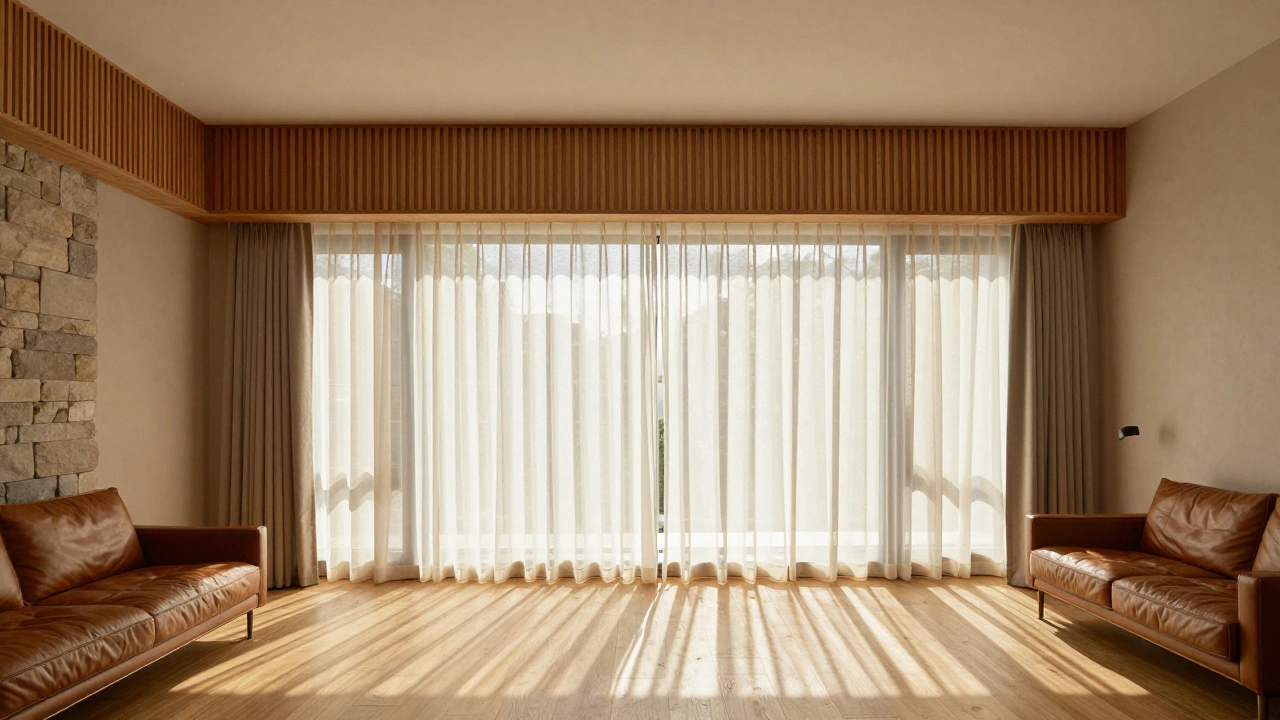
For a more rustic or Scandinavian vibe, consider a wooden slat valance. This isn’t fabric at all-it’s a narrow strip of wood blinds mounted above the main window treatment. It adds warmth and texture, pairing beautifully with oak floors and leather furniture. This style is particularly strong in open-plan living spaces.
Common Mistakes to Avoid
Even with the right style, execution matters. Here are the pitfalls that will make your valances look outdated instantly:
- Going Too Wide: Your valance should extend slightly beyond the window frame (4-6 inches on each side), but never so wide that it overwhelms the wall. If it touches the adjacent walls, it’s too big.
- Mismatching Hardware: Don’t mix brass rods with black brackets unless it’s a deliberate eclectic choice. Consistency in metal finishes ties the room together.
- Ignoring Light Flow: Always test the valance during the day. If it blocks too much sunlight, your room will feel gloomy. Opt for lighter fabrics or shorter lengths if natural light is limited.
- Over-Patternning: If your walls have wallpaper or busy art, keep the valance plain. If the room is neutral, you can experiment with subtle textures like herringbone or basketweave, but avoid loud florals.
Alternatives to Consider
If you’re still unsure about valances, there are other ways to achieve a polished look without committing to fabric headers. Floor-to-Ceiling Drapes remain the safest bet for maximizing height. Another option is Plantation Shutters, which offer timeless appeal and excellent insulation. For a budget-friendly fix, simply painting your window trim a contrasting color can draw attention to the architecture without adding any fabric at all.
Final Thoughts on Style Cycles
Fashion and interior design follow similar rhythms. What was once considered tacky can become vintage charm within a decade. Valances are no longer the dominant force they once were, but they have earned a place in the modern toolkit. The key is restraint. Use them to solve a problem-hiding ugly trim, adding warmth to cold cabinets, or framing a beautiful view-rather than just for decoration.
If you love the look of a valance, go for it. Just keep it simple, high-quality, and proportionate to your window. Your home should reflect your taste, not just the latest trend. And remember, trends fade, but good design lasts.
Are valances considered outdated in 2024?
Not necessarily. While bulky, ruffled valances are outdated, simple, tailored valances in natural fabrics are making a comeback. The key is choosing minimalist designs that complement modern aesthetics rather than overpowering them.
What is the best alternative to valances?
Floor-to-ceiling curtains are the most popular alternative, as they elongate the room and provide a clean look. Plantation shutters and painted window trims are also excellent options for achieving a polished appearance without fabric headers.
How do I install a modern valance?
Mount the rod close to the ceiling or just below the crown molding for a taller look. Ensure the valance extends 4-6 inches beyond the window frame on each side. Use sturdy brackets that match your hardware finish for a cohesive look.
Can valances make a room look smaller?
Yes, especially if they are wide, dark, or placed low on the wall. To avoid this, opt for light-colored fabrics, mount them high, and keep the width proportional to the window size. In small rooms, consider skipping valances altogether.
What fabrics are trending for valances in 2024?
Natural fibers like linen, cotton, and wool are trending due to their texture and sustainability. Solid colors in earthy tones such as beige, sage green, and slate blue are popular choices for creating a calm, inviting atmosphere.